
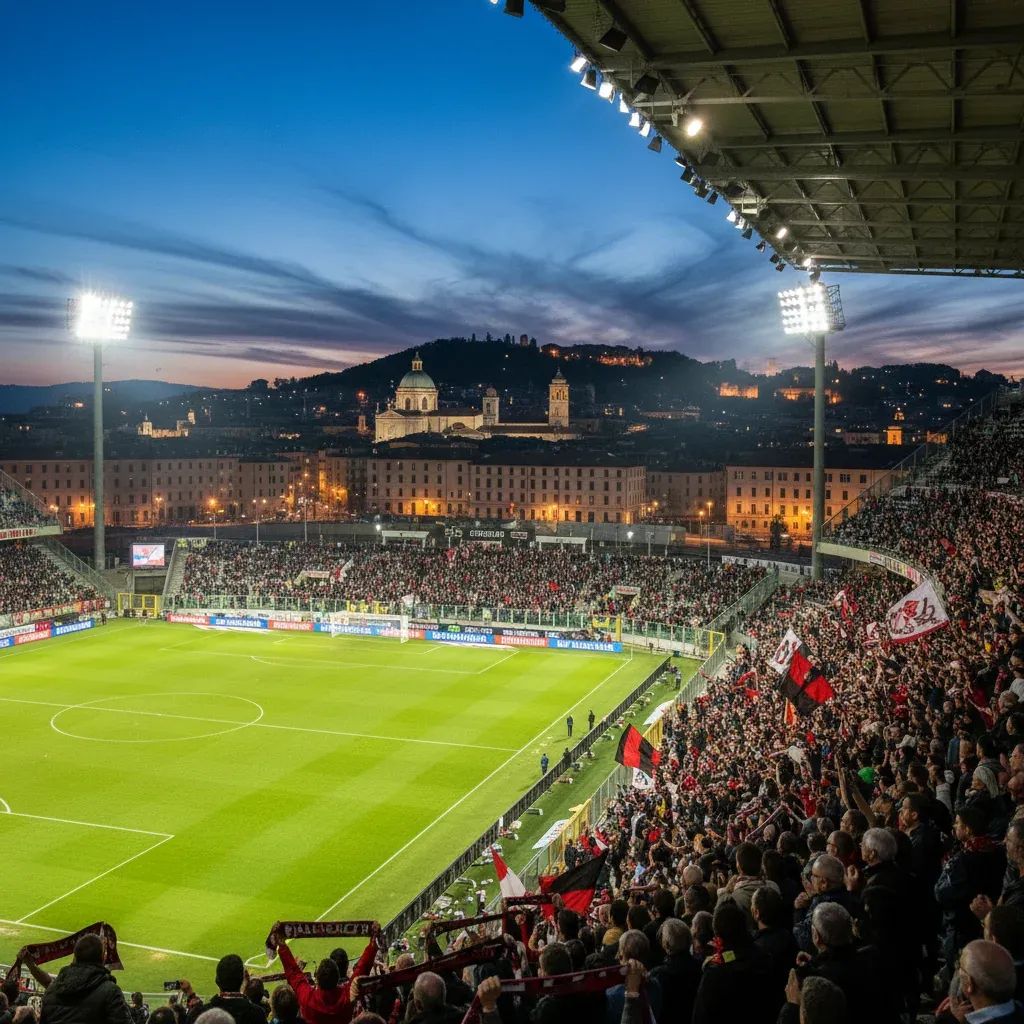
Atalanta holds a marginal edge heading into their return engagement against Lazio on April 22, a psychological advantage born from defensive resilience and the familiar terrain of the Gewiss Stadium. The first-leg 2-2 stalemate at Rome's Olimpico exposed vulnerabilities on both sides, yet neither team can claim genuine momentum entering the decisive phase of Italy's domestic cup competition. What unfolds in Bergamo will determine who contests the Coppa Italia final—a fixture that carries genuine weight in an otherwise unpredictable spring for Italian football.
Why This Matters
• Injury concerns threaten both northern clubs: Multiple absences on both sides will influence tactical approaches and squad depth during the semifinal return.
• Return venue becomes decisive: Home advantage in knockout football amplifies the importance of crowd support and tactical familiarity—Atalanta's fortress in Bergamo presents genuine complications for Lazio's traveling contingent.
• Simultaneous 19:00 CET kickoff on April 22: Both semifinal returns begin at identical times, preventing strategic adjustments based on parallel match developments. Inter hosts Como at San Siro while Atalanta faces Lazio in Bergamo.
The Roman Deadlock: Reading the First-Leg Result
The opening encounter revealed more tactical nuance than a 2-2 result typically suggests. Lazio constructed attacking sequences with methodical precision, translating their dominance into two goals early and late in the second half. Yet each time the home side found the net, Atalanta responded with clinical composure that belied their position as visitors navigating a hostile environment.
Atalanta's offensive transitions moved with deliberate rhythm, suggesting their coaching staff prepared tactical responses to Lazio's attacking sequences. The Bergamo visitors never trailed in terms of psychological pressure; they simply waited for openings and exploited them with precision. For Lazio, the inability to consolidate two separate leads—particularly in the closing stages when the capital club chased a winning goal—indicates challenges in transition defense.
When these sides reconvene in mid-April, structural advantages shift decisively toward Atalanta. The Gewiss Stadium, while smaller than Rome's Olimpico, carries intimidating atmospherics and recent history favoring the home side in decisive encounters. Bergamo's supporters create an environment that transforms what seemed possible in Rome into genuine difficulty for traveling opponents. Historical patterns in Italian cup football confirm this reality: home teams in return legs navigate away opponents with statistical advantage when first-leg results remain undecided.
Inter-Como Context
The 0-0 result between Inter and Como at the Sinigaglia represents a strategic success for the Lake Como club, despite traveling to Milan for the return leg without away goals conceded. Inter dominated possession with 15 shot attempts, yet Como's defensive organization systematically neutralized the league leaders' attacking movements.
Como's clean sheet at home provided psychological sustenance for a newly promoted squad competing for survival. The return leg at San Siro presents steeper challenges—Inter's home record remains formidable, and the absence of away goals means any Nerazzurri victory advances them to the final. Yet Como demonstrated genuine organizational competence, suggesting they enter April with tactical understanding rather blind hope.
The broader implication favors Inter substantially. They avoid the worst scenario—conceding away goals—while maintaining control over progression.
Practical Information for Residents
Italian residents planning attendance at either return leg require advance preparation. Ticket availability at both the Gewiss Stadium and San Siro will prove scarce—semifinal fixtures rank among the season's most coveted events. The simultaneous 19:00 CET kickoff on Wednesday, April 22 means supporters cannot physically attend both matches.
For residents in central Italy, the approximately 280-kilometer journey between Rome and Bergamo requires dedicated travel planning—train service operates reliably during evening fixtures, though expect crowding. Spring weather in late April typically proves favorable for stadium attendance, though evening temperatures demand appropriate clothing.
Broadcast information and ticket availability can be confirmed through official Lega Calcio and club website resources as the match approaches.
The Competitive Narrative
These four clubs carry distinct expectations. Atalanta, transformed from provincial outsider to continental competitor, views the Coppa Italia as a realistic path to silverware beyond league commitments. A cup victory would validate their European ambition and provide tangible success to accompany consistent Champions League participation.
For Lazio, historically among Italy's leading clubs, the competition offers an opportunity to deliver tangible success amid an unpredictable Serie A campaign. The capital club's identity demands trophy contention; cup progression provides a mechanism for fulfilling that expectation.
Inter approaches the tournament as part of a potential treble pursuit, though their league-leading position means cup progression remains secondary to scudetto defense.
Como, newly promoted and still adjusting to top-flight rhythms, has already exceeded reasonable expectations simply by advancing to the semifinals.
What Unfolds Between Now and Late April
The interim period between now and April 22 demands close monitoring of squad availability, particularly at Lazio and Atalanta. Unexpected recoveries—or setbacks—will shift probability distributions for both clubs.
The pre-match modeling suggested Atalanta held marginal advantage at home against Lazio; Inter clearly dominated probability assessments versus Como. Yet first-leg draws have compressed these distributions substantially. No outcome on April 22 should arrive as shocking—the semifinal stage has consistently reminded Italian football audiences that established hierarchies matter less in knockout formats than execution, composure, and tactical discipline.
With both matches returning to decisive venues, with four distinct competitive narratives intersecting, and with first-leg draws introducing genuine uncertainty, late April promises drama that league football rarely delivers. The return legs will reveal whether first-leg vulnerabilities persist or whether teams successfully addressed tactical deficiencies during the interim period.


