
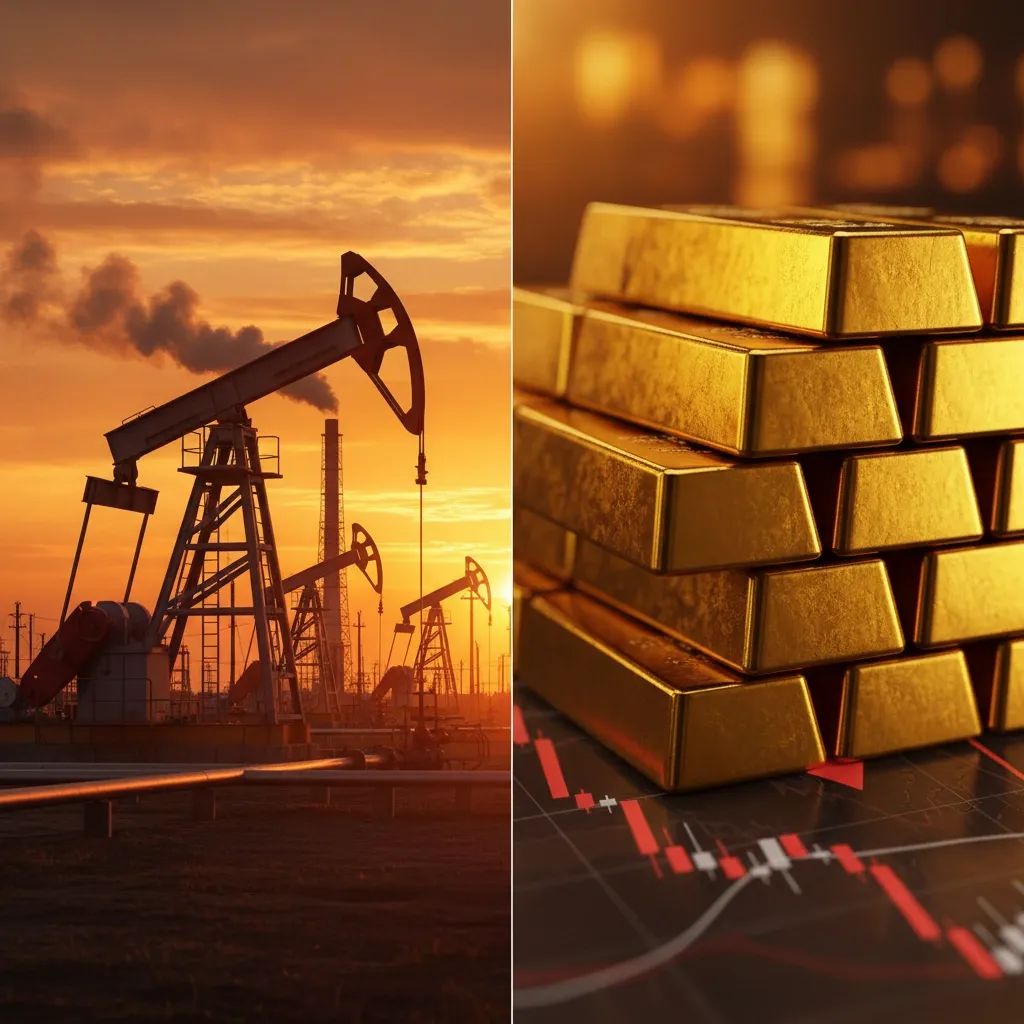
The Italy energy shock of 2026 is poised to extract nearly €29 billion from the wallets of households and businesses across the country, driven by surging oil and gas prices linked to the Middle East conflict and the closure of the Strait of Hormuz. For the average Italian family, this translates to an additional €1,000 in annual costs, with larger households and commuters facing bills closer to €1,300. The impact will be most visible at the pump—where diesel now costs more than gasoline for the first time in memory—and in monthly utility bills that have climbed steadily since February.
Why This Matters
• Average household hit: €1,000 extra in 2026 for energy, fuel, and indirect food costs combined.
• Fuel prices now: Gasoline at €1.93/liter, diesel at €2.03/liter as of 9 May 2026—diesel may hit €2.30 by month's end if excise cuts expire.
• Regional disparity: Lombardy faces a €5.4 billion burden (15.1% increase), while southern regions like Basilicata and Puglia see proportionally steeper fuel hikes (over 21%).
• Business investment risk: A 2-4% drop in capital spending could shave up to 0.9 percentage points off Italy's GDP.
The Geography of Pain
The Italy Chamber of Commerce's research office (CGIA di Mestre) and the National Confederation of Artisans and Small Enterprises (CNA) have mapped out who pays the most. In absolute terms, Lombardy shoulders the heaviest load: €5.4 billion in additional energy costs this year, reflecting the region's dense manufacturing base and logistics networks. Provinces like Milan and Brescia—home to steel mills, plastics plants, and cold-storage warehouses—are bracing for a 22% jump in combined electricity and gas expenses, from €23.6 billion in 2025 to over €28.8 billion.
Yet the southern regions face a different, arguably harsher reality. Basilicata will see fuel costs climb 21.6%, the highest percentage increase in the country. Campania and Puglia follow close behind at 21.3%, translating to an extra €1 billion and €837 million respectively. These are areas where energy poverty was already endemic: more than 302,000 households in Puglia (18% of the total) and 143,000 in Calabria (17.4%) struggle to keep the lights on and heating running. For pensioners and low-income families in these regions, the 2026 shock is not just a budget inconvenience—it is a question of basic subsistence.
Breaking Down the €1,000 Bill
The CNA's detailed breakdown shows how the burden accumulates across three channels:
• Electricity and gas bills: €300 to €400 per household annually, driven by a 12.9% rise in power costs (€10.2 billion nationally) and a 14.6% increase in gas (€5 billion nationally).
• Fuel at the pump: €200 to €300 extra, with sharper impacts for commuters. The national fuel bill has swelled by €13.6 billion compared to 2025, a 20.4% leap.
• Indirect food inflation: €250 to €350, as higher transport and production costs ripple through the supply chain—energy and housing already account for over 40% of monthly household spending in Italy.
For families with children or those living in areas poorly served by public transit, the upper end of these ranges applies. Urban singles, by contrast, face more contained effects, often below the €1,000 threshold.
Why Diesel Now Costs More Than Gasoline
A landmark shift in Italy's excise tax regime took effect on 1 January 2026. The government reduced the excise on gasoline by 4.05 cents per liter while raising it by the same margin on diesel, part of a broader environmental and fiscal rebalancing effort. As of 8 May, average self-service prices stand at €1.934/liter for gasoline and €2.026/liter for diesel on ordinary roads, with motorway stations charging more.
If the temporary excise relief introduced earlier this year expires as scheduled on 30 April—and there is no indication from the Italy Cabinet that an extension is forthcoming—analysts warn prices could spike a further 24 cents per liter. That would push diesel beyond €2.30 and gasoline close to €2.00, adding roughly €60 annually to the fuel bill of a typical diesel car owner.
What This Means for Businesses
Small and medium enterprises, which form the backbone of Italy's €2 trillion economy, are caught in a vise. Higher input costs compress margins, especially for energy-intensive sectors like metalworking, food processing (pasta makers, bakeries, mills), and cold-chain logistics. The CGIA projects a 2% contraction in fixed-capital investment under a moderate shock scenario; if the crisis persists beyond mid-year, the drop could reach 4%, dragging GDP growth down by 0.4 to 0.9 percentage points.
Dario Costantini, president of the CNA, framed the stakes bluntly: "Without targeted interventions, the current price dynamic risks becoming a brake on the entire production system."
Lombardy's business lobby, Assolombarda, has already revised its 2026 regional growth forecast downward to 0.6%, from an initial 1.0% projection made in January. Key industrial districts—Como's silk and textile cluster, Varese's rubber and plastics zone, Brescia's metal workshops—are singled out as particularly vulnerable.
The Government's €5 Billion Response
On 20 February, the Italy Council of Ministers approved a Decree on Energy Bills (Decree No. 21), allocating approximately €5 billion to cushion the blow. The package includes:
• Direct household relief: A one-time €115 payment for economically vulnerable families already receiving the social electricity bonus (ISEE thresholds up to €9,796, or €20,000 with four or more children). This brings total support to €315 per household. The credit is applied directly to bills, with no application required.
• Expanded eligibility: Support extended to district heating users and, on a voluntary basis, to families with ISEE up to €25,000.
• Business incentives: Reductions in system charges (ASOS component) on gas and electricity bills for non-domestic users; a "gas release" mechanism to supply energy-intensive industries at capped prices; encouragement of long-term Power Purchase Agreements (PPAs) for renewables.
• Revenue measures: A two-percentage-point increase in the regional business tax (IRAP) on energy companies for the 2026 and 2027 fiscal years to fund the relief.
The decree also defers the coal phase-out deadline to 2038 (excluding Sardinia) and proposes a trilateral gas market integration with Germany and Switzerland to improve supply security.
Yet both the CNA and the CGIA argue the measures fall short. The CGIA notes that the €5 billion outlay covers barely one-sixth of the €29 billion cost shock, leaving households and firms to absorb the rest through reduced consumption, delayed investment, or increased borrowing.
Impact on the Most Vulnerable
Italy's energy poverty map closely tracks the country's broader socio-economic divide. Roughly 2.4 million households—5.3 million individuals—are classified as energy-poor, meaning they spend more than 8% of income on utilities or cannot adequately heat their homes. The phenomenon is most acute in the South: Molise (17% of households), Calabria (17.4%), and Puglia (18%) top the list.
For pensioners on fixed incomes, the 2026 spike is particularly cruel. Essential spending—utilities, food, healthcare—consumes a disproportionate share of their budgets, leaving little room to absorb shocks. The Italy Revenue Department estimates that without further intervention, hundreds of thousands of southern households could slide into arrears on utility payments by year-end, risking service disconnections.
The European Context
Italy is not alone. The European Commission unveiled its "AccelerateEU" plan on 22 April, a coordinated response to the Middle East energy crisis. The plan includes temporary state-aid relaxations under the "Middle East Crisis Temporary State Aid Framework" (METSAF), allowing member states to compensate up to 70% of electricity costs for energy-intensive industries, and urges targeted, time-limited subsidies over blanket tax cuts.
By late April, EU governments had committed over €10 billion in short-term fiscal measures, with Spain and Germany accounting for half the total. However, the International Monetary Fund has criticized the prevalence of untargeted policies—such as across-the-board fuel excise cuts in Germany, Italy, and Poland—as costly, regressive, and counterproductive to energy-saving incentives.
Nordic countries offer a contrasting model: Sweden provides flat-rate electricity subsidies to all households while preserving price signals that encourage conservation, and has boosted funding for electric vehicle incentives. The Netherlands and Belgium have focused on heating support for vulnerable groups, with the Dutch going further by funding structural energy-efficiency upgrades.
What Residents Should Do
For individuals and families navigating the 2026 squeeze:
• Check your eligibility: If your household ISEE is below €9,796 (or €20,000 with four or more dependents), the €115 credit should appear automatically on your next bill. Contact your utility provider if it does not.
• Lock in rates: Many suppliers are offering fixed-price contracts for 12 to 24 months. Compare offers on the Italy Energy Regulatory Authority (ARERA) portal before signing.
• Consider efficiency upgrades: The government continues to offer tax deductions (Superbonus and related schemes) for home insulation, heat pumps, and solar panels. For renters, ask landlords about district heating or shared renewable installations.
• Track fuel prices: Apps like PrezzoGiusto aggregate real-time pump prices nationwide. Switching to a station 10 cents cheaper can save €150 annually for a high-mileage driver.
Businesses, particularly SMEs, should explore the PPA incentives and ASOS reductions introduced in the February decree. The Italy Ministry of Economic Development has set up a dedicated hotline and online portal to guide applicants through the process.
The Road Ahead
The volatility shows no sign of abating. Oil and gas futures remain elevated, and weather patterns—an unusually cold January drove a 10.5% spike in gas prices—add seasonal unpredictability. The Italy National Reference Point for Gas (PSV) stood at €0.487 per cubic meter on 8 May, well above early-2025 levels, though some analysts cautiously predict a 25% decline by year-end if geopolitical tensions ease.
For now, Italian households and businesses face a summer of painful adjustment. The divide between industrial Lombardy and the struggling South underscores a broader truth: energy is not just an economic input but a social determinant, shaping who can afford to work, heat their homes, and participate in modern life. Whether the government's €5 billion package proves sufficient—or whether a second intervention becomes necessary—will be one of the defining questions of Italy's 2026 economic story.


