
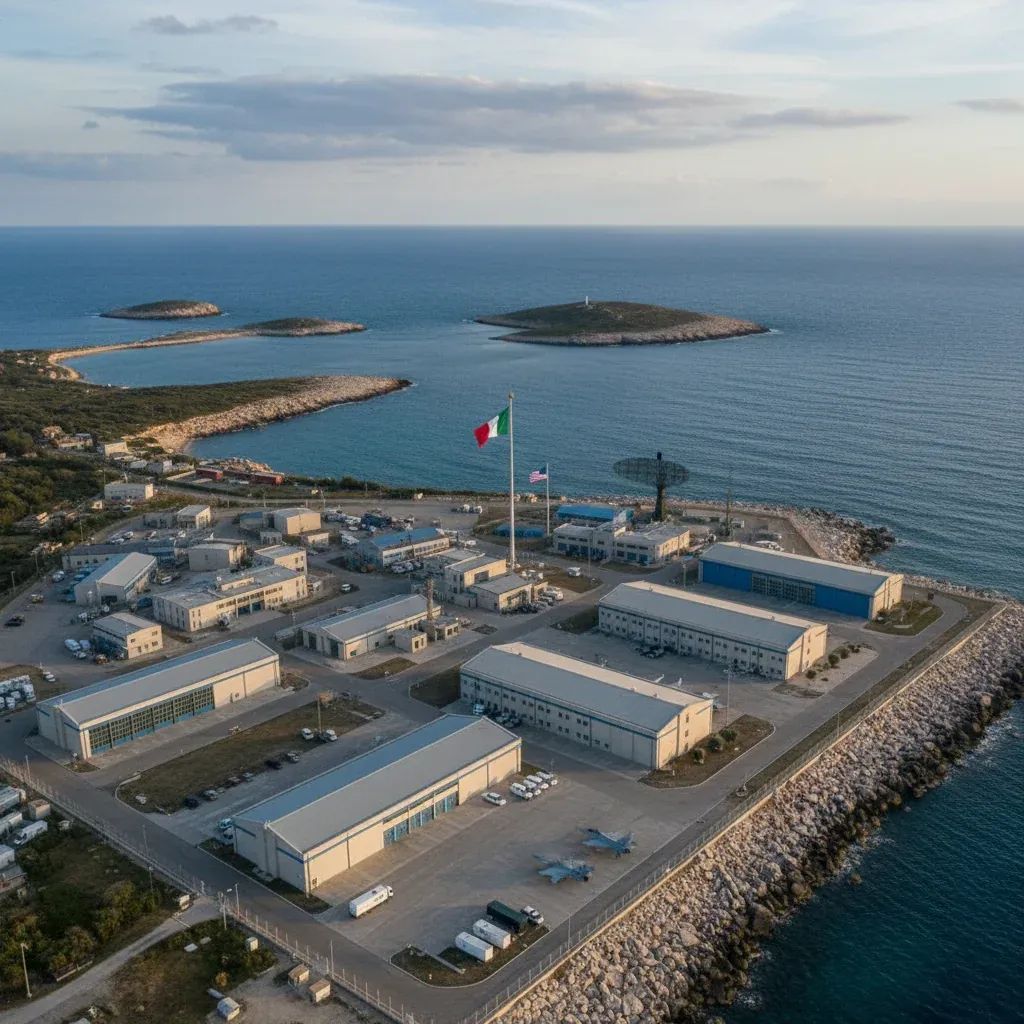
The U.S. military presence in Italy now faces an uncertain future after President Donald Trump confirmed he is "still considering" relocating American troops from Italian bases. The statement, delivered during an exclusive phone interview with Corriere della Sera, marks the latest escalation in diplomatic friction between Washington and Rome.
Trump's Core Complaint
Trump's frustration centers on a recent incident involving Naval Air Station Sigonella in Sicily. When Washington sought to use the base for military operations related to the Middle East conflict with Iran, Rome declined without first securing approval from the Italian Parliament. "Italy wasn't there when we needed it," Trump stated during the interview, specifically referencing Italy's position on deploying minesweepers to the Strait of Hormuz as part of an international coalition.
Italy's Constitutional Position
Italy has expressed willingness to contribute to international maritime security operations in the Hormuz region but insists on two preconditions: approval from the Italian Parliament and confirmation of a stable ceasefire. This parliamentary requirement is enshrined in Italy's constitutional framework governing military deployments abroad. Italian officials emphasize that parliamentary oversight is a constitutional safeguard, not a refusal to cooperate with NATO allies.
What Sigonella Means
The Sigonella base in Sicily is a strategic hub for U.S. maritime patrol aircraft and surveillance operations across the Mediterranean and surrounding regions. It has been historically important to both American and broader Western military operations in the region.
U.S. Military Presence in Italy
The United States maintains military installations across Italy as part of its broader NATO commitments in Europe. These installations support both American strategic interests and NATO operations in the Mediterranean and North Africa.
Strategic Context
Trump's comments follow his recent announcement of military adjustments in Europe and fit within a broader pattern of reviewing American military deployments abroad. No specific bases in Italy have been formally identified for closure, and Trump emphasized he is "still considering" any potential moves, suggesting no immediate action is planned.
What Happens Next
The White House has not issued formal guidance to the Department of Defense regarding Italy-specific troop reductions. Diplomatic channels between Rome and Washington remain open, with Italian officials hoping to clarify the situation and emphasize Italy's contributions to NATO and international security operations.
For now, U.S. military operations at Italian bases continue normally, with no personnel notifications of imminent relocations. The coming weeks will likely reveal whether Trump's comments represent a negotiating tactic or signal a genuine strategic reassessment of the American military footprint in Italy.


