
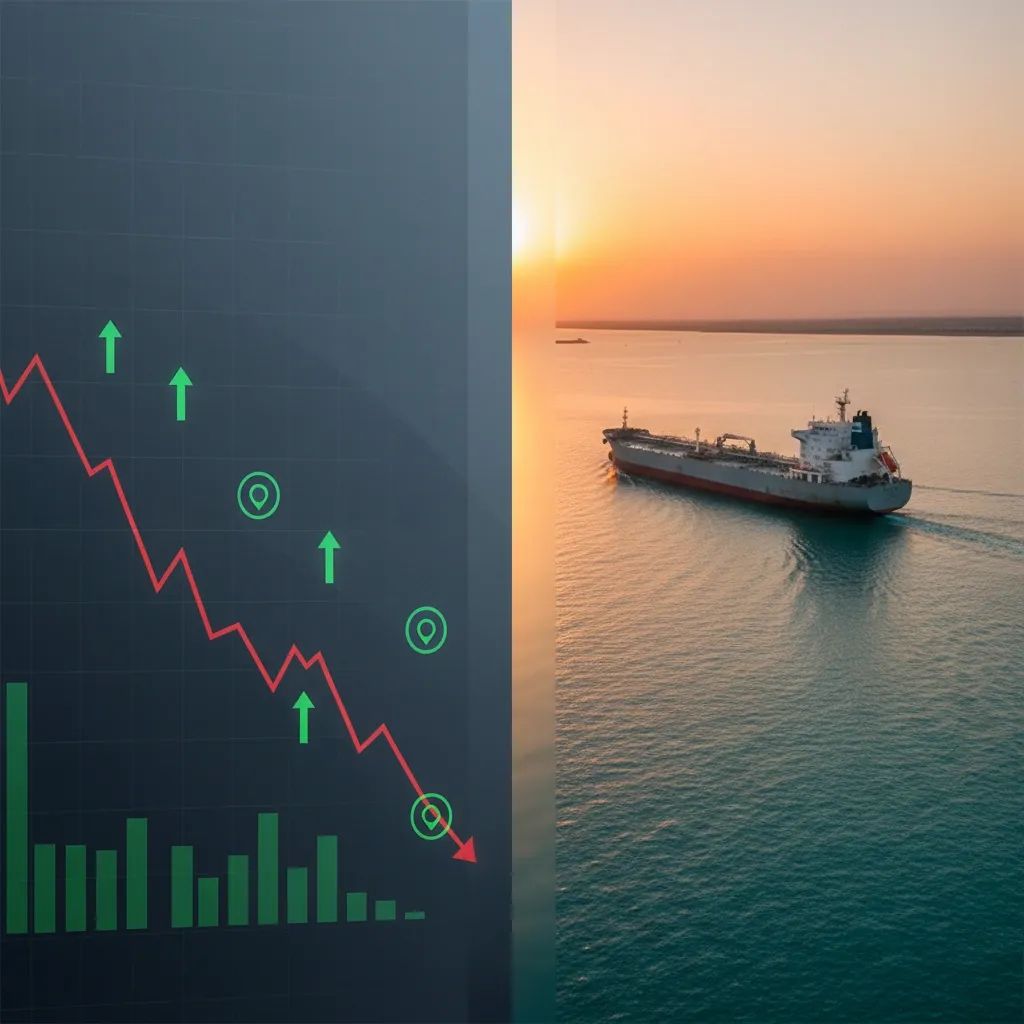
The oil and natural gas markets experienced significant declines today, with Brent crude falling below $100 per barrel and natural gas dropping sharply on European exchanges. This sudden shift follows reports of ongoing diplomatic discussions regarding the Strait of Hormuz, the critical waterway that has been a key factor in global energy prices since March.
Today's Market Movement
• Brent crude fell to around $98 per barrel, while natural gas dropped approximately 12% on the Amsterdam exchange, reflecting broader market optimism about potential easing of supply pressures.
• Italy's 10-year government bond yield declined, signaling investor confidence in potential de-escalation of tensions.
• European stock markets surged, with Milan's FTSE MIB up 2.2%, led by consumer and automotive stocks, while energy companies like Eni declined 5.8% as crude-linked equities faced selling pressure.
Why the Strait of Hormuz Matters
The Strait of Hormuz—a narrow chokepoint carrying a significant portion of global oil supplies—has been at the center of energy market dynamics since March. For Italy, which relies heavily on imported oil and natural gas, any disruptions to this waterway directly impact energy costs and household expenses. Reports suggest ongoing negotiations between major powers regarding the strait's access, though no final agreements have been reached.
What Lower Prices Could Mean for Italian Residents
If energy price declines persist, several areas of daily life in Italy could be affected:
Fuel and Transport: Gasoline and diesel prices at Italian pumps typically respond to wholesale crude price changes, though with a lag of 7-10 days due to supply chain timing. Retail prices are also influenced by refinery margins and taxes.
Heating and Electricity: Natural gas price movements affect household utility bills, though the timing varies. Households on variable-rate contracts generally see changes sooner than those on fixed-rate agreements. Electricity prices typically lag behind natural gas movements by several weeks due to utility hedging practices.
Inflation and Consumer Impact: Energy costs have been a significant driver of price increases across the eurozone since March. If energy prices stabilize at lower levels, this could help moderate broader inflation, though other factors like food and supply chain costs also play important roles.
Investment and Industry: Lower energy costs could provide relief to Italy's manufacturing sector, which has faced cost pressures in recent months. However, businesses typically require sustained price stability before making significant hiring or investment decisions.
Important Uncertainties
Today's market movements reflect optimism about potential diplomatic developments, but several key uncertainties remain:
• No final agreements have been reached regarding the Strait of Hormuz or energy supply normalization.
• Timeline for normalization: Even if diplomatic progress continues, supply chains for oil and natural gas typically require months to return to normal functioning, as logistics networks must be reestablished.
• Market volatility: Energy prices remain sensitive to geopolitical developments and could reverse if negotiations stall or tensions escalate.
• Analyst perspectives vary on future price levels, with different organizations maintaining different forecasts depending on their assumptions about geopolitical resolution.
What Italian Residents Should Know
While today's price decline offers a potential reprieve from elevated energy costs, the situation remains fluid. Any relief in household energy bills will likely be gradual rather than immediate. The durability of lower prices depends on whether ongoing diplomatic efforts succeed in creating lasting stability in the global energy market.
Consumer and business confidence will depend partly on how quickly—and durably—global energy supply concerns are resolved. Until that picture becomes clearer, prudent planning by households and businesses should account for continued uncertainty in energy costs.


