
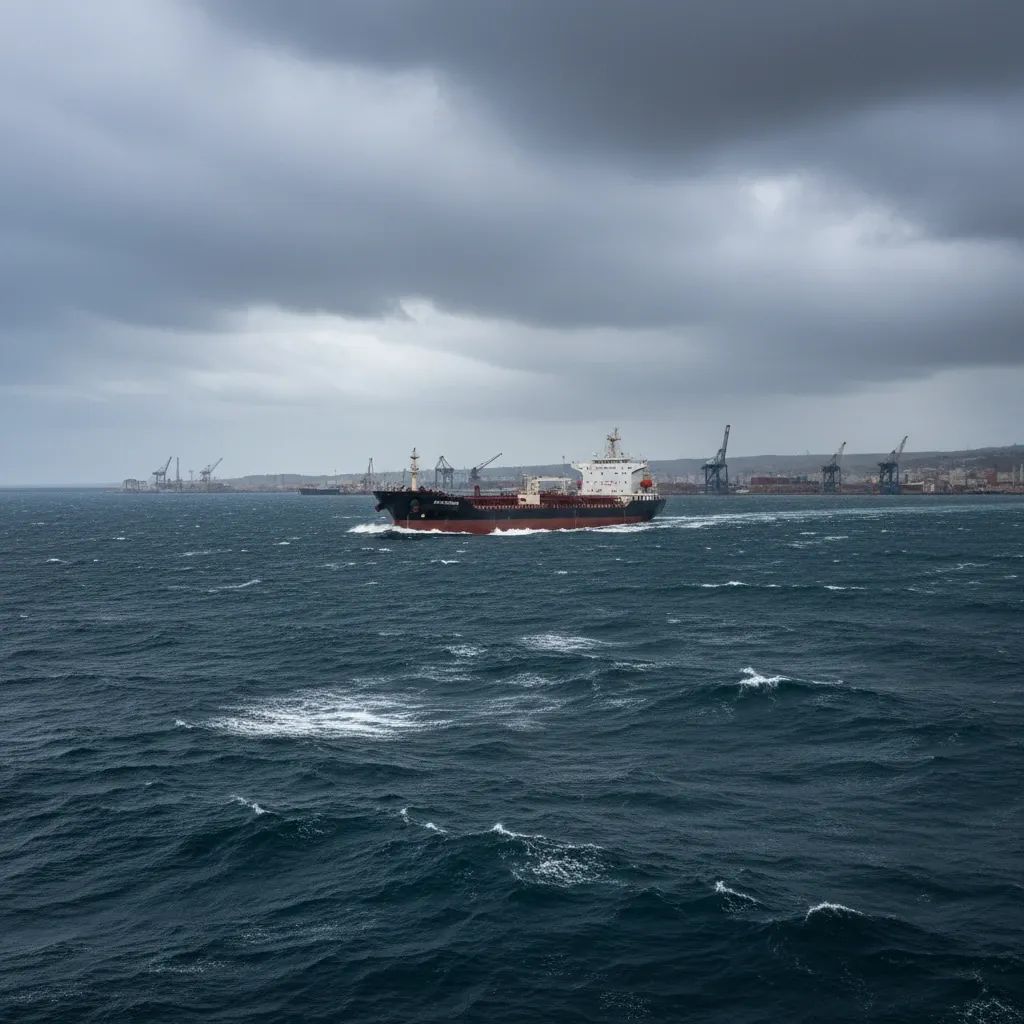
The Italy energy market is bracing for significant repercussions as global crude oil prices surge past critical thresholds, driven by escalating threats in the Middle East that have pushed Brent crude above $113 per barrel and the WTI benchmark near $98—a sharp climb that will directly impact fuel costs, transportation expenses, and inflation across the peninsula.
What This Means for Italy Residents
For households and businesses across Italy, the implications are tangible and immediate.
Fuel prices at the pump will climb as gasoline and diesel prices typically follow international crude benchmarks within 1-2 weeks. Residents can expect notably higher costs at filling stations by early April.
Transportation sectors face acute pressure. Road freight companies will seek to pass higher diesel costs onto clients, cascading through supply chains. Airlines serving Italy's tourism hubs—Rome Fiumicino, Milan Malpensa, Venice Marco Polo—are likely to implement fuel surcharges if jet fuel prices remain elevated, potentially affecting summer travel.
Agricultural producers are particularly vulnerable. Diesel powers irrigation systems, tractors, and transport to market; fertilizer production is energy-intensive. Spring planting season timing is unfortunate, as farmers operating under fixed-price contracts will absorb cost pressures.
Quick Actions for Italy Residents:
• Monitor fuel prices weekly and adjust discretionary travel plans if necessary
• Consider locking in fuel contracts if you operate a business with regular energy needs
• Budget for potential increases in grocery and transportation costs over the coming weeks
• Review heating and cooling usage in homes and offices to optimize efficiency
Why This Matters
• Fuel prices expected to climb: Italy imports roughly 90% of its energy needs, making it highly vulnerable to oil price spikes that translate directly to petrol station costs.
• Inflation pressure mounting: Energy economists project each 10% sustained oil increase could add 0.4 percentage points to Italy's consumer price index.
• Supply chain costs rising: Logistics and agriculture sectors face immediate cost pressures, which typically pass through to retail prices within weeks.
• Central bank dilemma: The Bank of Italy and European Central Bank face renewed inflation headwinds just as growth concerns persist.
Middle East Infrastructure Attacks Ignite Market Panic
The latest price surge follows Iran's public threat to strike Gulf energy facilities in retaliation for what Tehran describes as an Israeli attack on the South Pars gas field—one of the world's largest natural gas reserves, shared with Qatar. The announcement sent traders scrambling, propelling Brent crude to $113.16 per barrel, while WTI gained significantly during trading.
Abu Dhabi suspended operations at one gas facility after intercepting missile debris, while Qatar's critical Ras Laffan export terminal—a key liquefied natural gas facility serving Europe and Asia—sustained damage from falling projectile fragments. QatarEnergy confirmed emergency teams deployed to contain resulting fires, though the full extent of operational disruption remains unclear.
The attacks mark a dangerous escalation in a region that supplies approximately one-fifth of global crude oil and a quarter of seaborne petroleum trade. The Strait of Hormuz, the narrow waterway through which much of this energy flows, has become a flashpoint, with shipping traffic significantly disrupted.
Historical Context and Current Volatility
Italy has weathered energy shocks before—most notably during the 1973 oil embargo and the 2008 price spike. The current situation carries distinct risks because it involves direct threats to critical infrastructure in a region where alternative export routes are limited and expensive to activate.
Market analysts at the International Energy Agency have characterized this as a significant supply disruption scenario, with potential substantial losses from global supply if tensions continue. Gulf producers have already curtailed output, a reduction that exceeds voluntary OPEC+ cuts seen in recent years.
Market structure reflects the urgency: crude futures are trading in steep backwardation, meaning near-term contracts command a premium over longer-dated ones—a clear signal that traders anticipate immediate supply constraints. This price structure has persisted through recent trading sessions.
Policy Response and Strategic Reserves
The Bank of Italy faces a policy dilemma. Headline inflation had been moderating toward the European Central Bank's 2% target, creating space for potential interest rate relief. A sustained oil shock could reverse that progress, forcing policymakers to choose between supporting growth and anchoring inflation expectations.
The Italy government holds strategic petroleum reserves mandated by European Union directives, equivalent to roughly 90 days of net imports. Activation of these reserves would require coordination through the International Energy Agency, which manages collective response protocols among member nations.
Diplomatic Efforts and Escalation Risks
The geopolitical backdrop compounds market anxiety. United States President Donald Trump acknowledged awareness of recent military operations in the region but publicly cautioned against further strikes on Iranian energy infrastructure, signaling Washington's concern about uncontrolled escalation. Tehran's leadership has framed retaliation as inevitable, creating a credible threat to Gulf facilities.
Qatar and the United Arab Emirates maintain complex relationships with Iran—sharing offshore gas fields and maritime boundaries—which makes them particularly vulnerable to spillover effects. For Italy, any prolonged disruption to Qatari LNG exports would tighten the European gas market, though immediate concerns remain focused on crude oil supply.
Longer-Term Implications for Italy's Energy Transition
Ironically, the crisis may accelerate Italy's renewable energy investments. High fossil fuel prices improve the economic case for solar, wind, and energy storage projects that have proliferated across the country under EU climate funding programs. The Italian Ministry of Ecological Transition has set targets to increase renewable capacity by 70 gigawatts by 2030; sustained energy price volatility strengthens political support for meeting those goals.
Immediate budget constraints could, however, slow decarbonization efforts. Households may defer electric vehicle purchases if energy costs remain elevated. Industrial users may seek regulatory relief rather than invest in efficiency upgrades.
The Italy stock market has seen modest declines in transportation and manufacturing sectors, with energy importers underperforming while domestic utility stocks holding relatively steady. Financial analysts are advising clients to monitor crude price movements closely.
What to Expect in the Coming Weeks
Markets will focus on diplomatic developments and regional stability over the next 2-4 weeks. Resolution of tensions could ease price pressures. Continued escalation would likely keep energy costs elevated through at least the second quarter.
Italy's consumers and businesses should prepare for sustained higher energy costs. Households can mitigate impact by moderating discretionary travel and optimizing heating and cooling usage. Companies with flexible supply chains may seek to monitor fuel contract opportunities before prices move further.
The situation underscores Italy's structural energy vulnerability—a challenge that transcends immediate price swings and points to the strategic imperative of diversifying supply sources and accelerating the transition to domestically controlled renewable capacity.


