
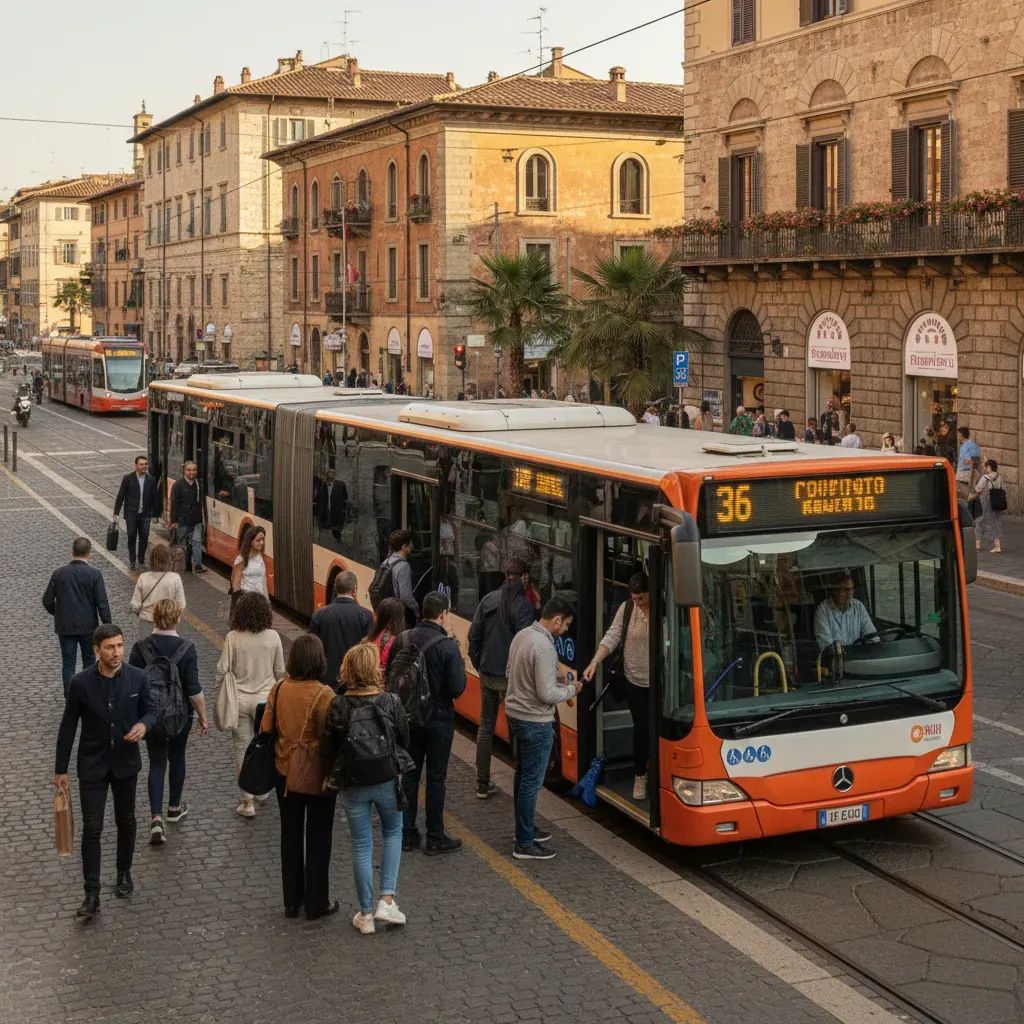
Italy's public transport network is bleeding €30M monthly as diesel prices surge nearly 25% since January, forcing bus and rail operators to demand emergency government intervention to prevent service cuts and fare hikes across the peninsula.
Why This Matters:
• Energy costs now consume 15% of transit budgets, making fuel the second-largest expense for operators nationwide
• Diesel prices have climbed sharply, with the 25% year-to-date increase significantly impacting operational planning
• Funding delays are compounding the crisis, threatening service continuity
Geopolitical and Domestic Pressures Hit the Bus Depot
The Italian public transport sector finds itself squeezed between simultaneous pressures: Middle Eastern conflicts have disrupted energy supplies globally, while domestic market volatility has driven fuel costs to unprecedented levels. This perfect storm has upended the financial planning of every company operating buses, trams, and regional rail lines.
The three national industry bodies—AGENS (representing large transit agencies), ANAV (private coach operators), and ASSTRA (municipal transport companies)—jointly warned the Italian Cabinet that current market volatility threatens not just profit margins but the fundamental viability of daily service.
Diesel prices have climbed relentlessly through the first quarter, with the 25% year-to-date increase translating directly into operational challenges for fleet managers. Unlike private motorists who can drive less or seek alternatives, transit agencies face fixed route obligations and contractual service-level agreements with regional governments. They cannot simply park vehicles when fuel becomes unaffordable.
What This Means for Residents
The immediate risk is visible service deterioration. Transit companies have explicitly warned that without rapid financial relief, operators will face a binary choice: reduce the number of daily runs or raise ticket prices to close budget gaps. Either outcome degrades mobility for the millions of Italians who rely on public transit for work commutes, particularly in metropolitan areas where car ownership remains impractical or unaffordable.
Job security for the sector's workforce also hangs in the balance. The industry associations have cautioned that sustained cost pressure could force workforce reductions among drivers, maintenance crews, and administrative staff. In a labor market already strained by demographic shifts, eliminating transit jobs would ripple through regional economies dependent on these stable employment anchors.
The energy squeeze extends beyond diesel. Compressed natural gas, liquefied natural gas, and grid electricity—the fuel sources for Italy's growing fleet of alternative-propulsion buses—have all posted price increases. This undermines the economic case for the green transition, as operators discover that switching from diesel to supposedly cheaper alternatives no longer delivers the expected savings.
Industry Demands for Government Support
The three industry associations have submitted a proposal to the Italian Cabinet requesting emergency support to address the crisis.
Domestically, they advocate for measures including diesel excise reductions to lower per-kilometer operating costs for the entire bus fleet, which still constitutes the majority of Italy's public transport network outside major metro areas.
More ambitiously, the associations want Italy's Permanent Representation to the European Union to advocate for exceptional support mechanisms. They argue that the current crisis—comparable to previous energy supply disruptions—demands emergency coordination at the EU level to help member states protect essential transport services.
The industry also highlights the importance of resolving funding delays affecting regional transit agencies, which rely on federal allocations to pay service contracts with transit companies. Delays in these transfers create cascading cash-flow crises, as companies continue operating routes while awaiting promised payments.
The Bottom Line
Italy's public transit crisis boils down to arithmetic: Fuel costs rose 25% while revenues and government support remain insufficient. Operators cannot absorb €30M in monthly overruns indefinitely. Without emergency support, expect fewer buses, higher fares, or both before the summer travel season.
What Happens Next
The Italian government faces pressure to act decisively before regional transit agencies exhaust credit lines and emergency reserves. Politically, service cuts before the summer travel season would generate voter backlash in tourism-dependent regions where public transport connects visitors to archaeological sites, coastal resorts, and mountain destinations.
For residents, the practical advice remains straightforward: Monitor your local transit authority's website for service-change announcements. Companies are legally required to provide advance notice before altering routes or schedules. If you hold a monthly or annual pass, verify your operator's refund policy in case service reductions trigger partial rebates. And if your commute depends on a single bus line with no backup options, consider identifying alternative arrangements—the situation demands attention now.


