
For the first time in recent memory, diesel—traditionally the cheaper option—has overtaken gasoline at Italian pumps. Drivers filling a 50-liter tank of diesel now pay approximately €2.50 more than they did at the start of the year, with national prices standing at €2.06 per liter for diesel and €1.83 for gasoline on standard road networks. This unprecedented shift has immediate consequences for residents across the country.
The Italy Ministry of Enterprise and Made in Italy confirmed these figures from the latest fuel price observatory data. Motorway stations charge even more—€2.12 for diesel and €1.92 for gasoline—placing additional strain on household budgets and commercial transport operations. Diesel prices have reached their highest level in over two years, while gasoline is at its most expensive point in roughly 12 months.
Why Diesel Now Costs More Than Gasoline
The inversion stems from the 2026 Budget Law, which equalized excise duties on both fuels at €672.90 per thousand liters starting January 1. The reform reduced the gasoline excise by roughly 4 cents per liter while raising the diesel levy by the same amount. Consumer advocacy group Codacons estimates this change will add around €60 annually to the fuel bill of an average diesel car owner—a figure that climbs higher when compounded by broader price surges driven by global crude markets.
The Italy Revenue Department insists the adjustment aligns with European environmental standards, given diesel's higher emissions of nitrogen oxides and particulate matter. However, the excise harmonization has collided with international market volatility, amplifying the financial burden on motorists.
What Residents Should Do Now
Until prices stabilize, motorists can take several practical steps. First, monitor independent distributor networks through real-time price-tracking mobile apps—users report savings of €5 to €8 per tank by shopping around. Independent stations often lag major brands by several days when prices rise but drop faster during corrections.
Second, Italians near Slovenia or Croatia can consider cross-border fuel runs where government-imposed price caps keep gasoline around €1.50 per liter. Hungary maintains similar ceilings for domestic-plated vehicles. Third, households driving 15,000 kilometers annually should prepare for approximately €540 in additional fuel costs over the next 12 months if prices remain elevated. For commuters without public transit access—particularly in rural areas or southern regions—the burden is disproportionately high.
Commercial transport companies should monitor the logistics sector closely. Trucking fuel surcharges will ripple through supply chains, pushing up costs for everything from groceries to building materials.
Global Market Factors and Geopolitical Pressure
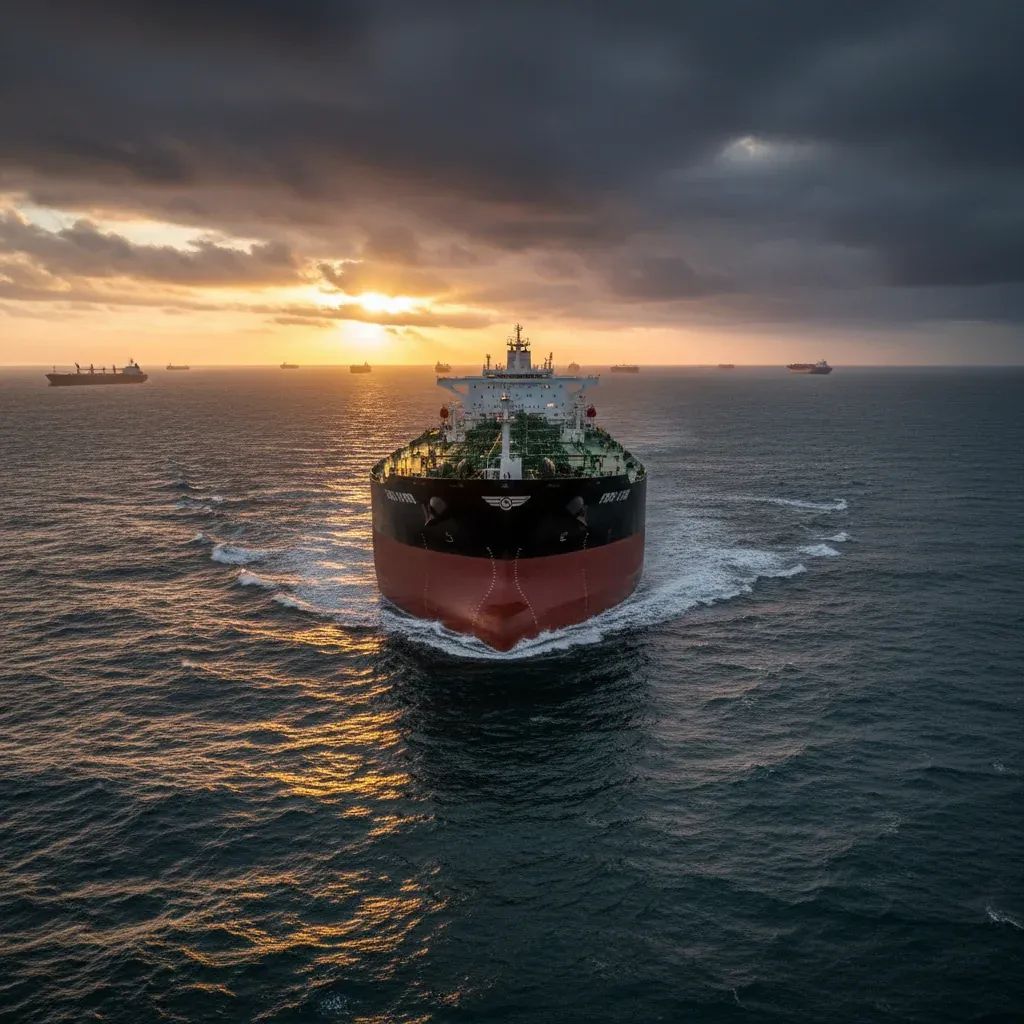
Italy's fuel prices remain tethered to international oil markets. March 2026 has delivered volatility stemming from tensions around the Strait of Hormuz, which channels over 20 percent of global oil shipments. These geopolitical concerns have injected a premium of €4 to €10 per barrel into Brent crude pricing.
Bank of America recently revised its Brent forecast to an average of €77.50 per barrel for 2026, with potential spikes to €80 in the second quarter. Goldman Sachs echoed similar projections, citing supply deficits in the first half of the year. However, J.P. Morgan and the U.S. Energy Information Administration predict a supply glut could push Brent toward €56 to €60 per barrel by year-end, provided geopolitical tensions subside.
The euro-dollar exchange rate adds complexity since crude is priced in dollars. A weaker euro raises import costs for refiners, who pass expenses directly to consumers. The Italy Finance Guard has launched monitoring operations to detect speculative pricing practices, particularly instances where distributors sell older, cheaper stock at inflated rates.
Italy's Position in the European Fuel Market
European Commission data from early March places Italy ninth for gasoline prices and eighth for diesel among the 27 EU member states. The Italian average of €1.80 for gasoline and €1.98 for diesel exceeds the EU-27 weighted mean of €1.77 and €1.86, respectively.
Taxation remains the primary driver. Excise duties and VAT account for roughly 60 percent of the pump price for gasoline and 57 percent for diesel in Italy, placing the country among Europe's most heavily taxed fuel markets alongside France and the Netherlands. Malta, by contrast, benefits from lower logistics costs and subsidies, offering gasoline at just €1.36 per liter.
Regional disparities persist within Italy. Milan has reported self-service gasoline prices above €2.50 per liter at some urban stations, while motorway rest stops frequently add 15 to 20 cents per liter over the national average. Competition varies widely: independent distributors in less-trafficked provinces often undercut major brands by 8 to 10 cents.
Government Response and Future Outlook
The Italy Cabinet is evaluating a mobile excise mechanism that would automatically reduce taxes when crude prices spike beyond preset thresholds. The proposal mirrors systems used in Spain and Portugal, where dynamic tax adjustments aim to stabilize pump prices during supply shocks. Finance Minister officials have not yet committed to a timeline, citing budget constraints and the need to balance revenue with consumer relief.
The Italy Competition Authority has opened inquiries into pricing behavior among major oil distributors, focusing on whether margin expansion has outpaced crude cost increases. Preliminary findings suggest some stations raised prices by 8 to 12 cents within 48 hours of geopolitical headlines, despite holding inventory purchased at lower rates.
Analyst forecasts diverge sharply. If Middle East tensions ease and OPEC+ accelerates production increases, Brent could fall back toward €60 per barrel by mid-year, translating to Italian pump prices drifting down to €1.65 for gasoline and €1.75 for diesel by June, assuming the euro stabilizes and no new supply disruptions emerge.
Conversely, an escalation involving Iran or prolonged disruptions through Hormuz could send Brent above €100 per barrel, pushing Italian self-service prices toward €2.30 for gasoline and €2.40 for diesel. Such a scenario would likely trigger emergency government intervention, including strategic reserve releases coordinated with the International Energy Agency.
The Italy Energy Agency recommends motorists monitor independent distributor networks and use real-time price-tracking apps. For now, fuel remains a volatile line item in Italian household budgets, with the interplay of global crude markets, domestic tax policy, and geopolitical risk ensuring continued turbulence at the pump.


