
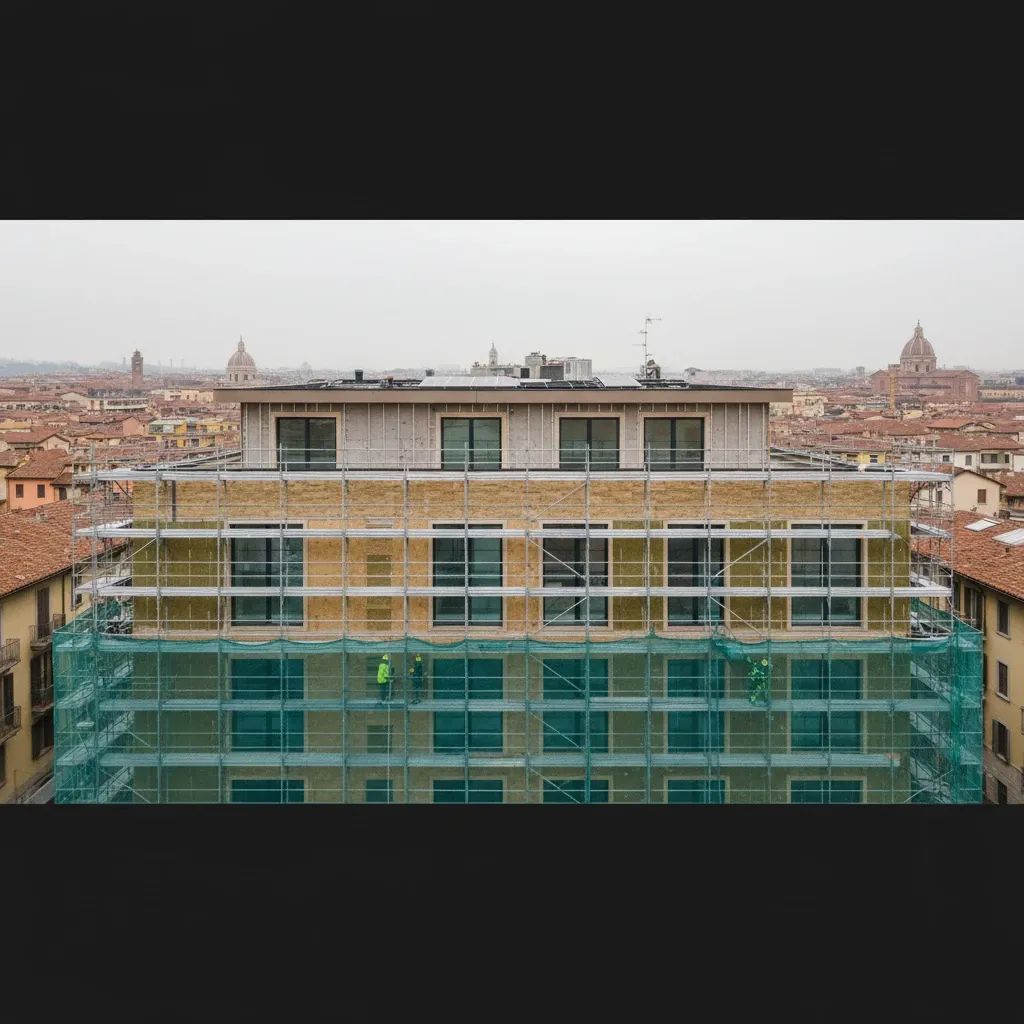
The Italy National Energy Agency (ENEA) has reported that state liabilities from the Superbonus program reached nearly €132 billion as of April 30, underscoring the substantial fiscal weight of one of Europe's most ambitious—and controversial—building renovation incentives. With the program effectively closed for most citizens as of December 2025, the government faces a multi-year challenge in managing accumulated tax credits tied to completed renovation works.
Why This Matters:
• State burden: €131.97 billion in accumulated tax credits from completed works
• Project scale: Over 505,421 buildings underwent renovations through the program
• Total investments: €127.26 billion in approved investments, of which €125.45 billion qualified for deductions
• Completed work value: €123 billion in completed projects eligible for tax credits
• Ongoing liability: Tax credits will continue affecting the budget as homeowners claim multi-year deductions
The Fiscal Impact of the Superbonus
When the Superbonus launched in 2020, the promise was straightforward: the state would cover up to 110% of renovation costs through tax deductions, enabling homeowners to upgrade energy efficiency and seismic resilience at substantially reduced personal cost. The mechanism—permitting contractors to absorb the credit through invoice discounts or transfer it to banks—was designed to stimulate construction and jobs during the pandemic.
The final figures demonstrate the program's scale. Total approved investments reached €127.26 billion, of which €125.45 billion qualified for deductions. Completed projects eligible for credits totaled €123 billion. The state's liability stands at nearly €132 billion due to the 110% reimbursement structure. This liability will materialize gradually as homeowners spread deductions over ten years, extending the budgetary impact well into the next decade.
What This Means for Residents
For those who completed renovations by the end of 2025, the tax deduction process continues. Homeowners who opted for direct deductions will claim their annual quota on income tax returns over the coming years. Anyone who used invoice discount (sconto in fattura) or credit transfer (cessione del credito) should verify that their contractor or bank processed claims correctly.
Residents who missed the December 31, 2025 deadline for ordinary Superbonus works cannot access the 110% rate anymore. Standard renovation incentives—Bonus Ristrutturazione at 50% for primary residences and 36% for secondary properties—remain available, but at lower rates than the Superbonus program offered.
The only group still eligible for Superbonus 110% comprises property owners in earthquake-affected zones of Abruzzo, Lazio, Marche, and Umbria, specifically those affected by seismic events from 2009 onward. Eligible applicants should verify access to supplementary reconstruction grants for incomplete projects and ensure all expenses meet legal requirements and deadlines.
Compliance Roadmap for Homeowners
Taxpayers who benefited from the Superbonus should ensure all documentation is current and accurate. Key steps include:
• Cadastral updates: Verify that renovations triggering value or category changes are reflected in the Agency of Revenue land registry within legal deadlines.
• Technical certifications: Retain copies of all asseverazioni (sworn statements) from qualified technicians, as these are required for audit purposes.
• Payment traceability: Confirm that all invoices were settled via bank transfer with proper causale (description), a requirement for deduction eligibility.
• Credit transfer records: If credits were sold or discounted, obtain written confirmation from the acquiring party that the transaction was processed.
Residents receiving official inquiries from the Italy Revenue Agency should respond promptly with supporting documents. Professional tax advisors recommend retaining renovation records for at least 10 years, given standard audit timeframes for tax deductions.
Looking Ahead
The Superbonus chapter is closing, but its consequences will continue to affect Italy's budget and housing market. The state's €132 billion commitment represents a significant investment in building stock modernization across more than 505,000 properties.
For residents navigating the program's final phase, the priority is compliance: ensuring all paperwork is complete, cadastral data is updated, and documentation is properly maintained. Those in earthquake-affected zones still have the opportunity to access the final 110% rate iteration, provided they meet the specific procedural requirements in place.
As Italy manages the fiscal and administrative aftermath of the Superbonus program, the construction sector continues its adjustment. The challenge for policymakers will be supporting housing quality improvements while managing the substantial fiscal commitment the program has created.


