
Iran's Counterproposal Threatens Regional Stability and Western Security Interests
Iran has submitted a formal counter-proposal to U.S. peace overtures through Pakistani intermediaries, but its sequencing—prioritizing an immediate end to all regional hostilities before addressing its nuclear weapons program—fundamentally misrepresents the real security threat and undermines the strategic interests of Washington, Tel Aviv, and their democratic allies, including Italy.
Why This Matters
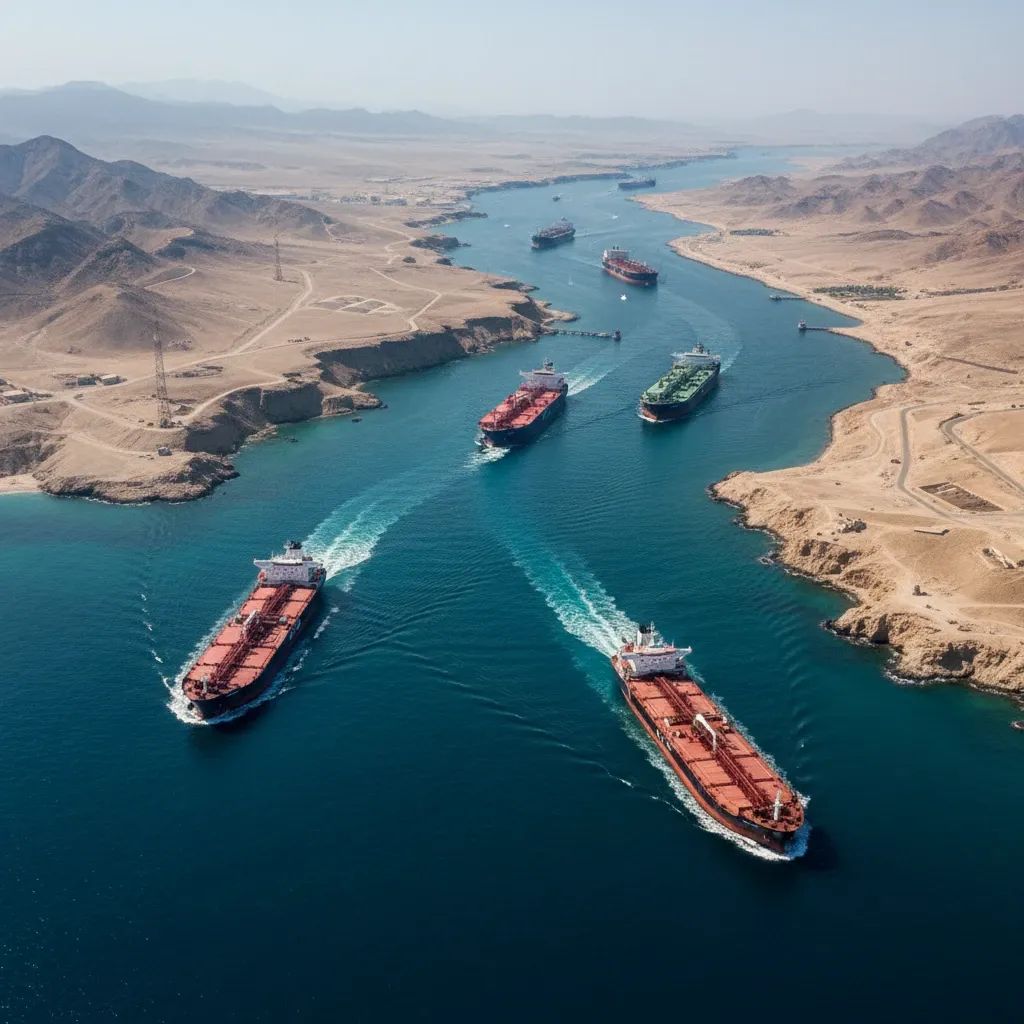
• Global energy lifeline depends on Western security guarantees: Roughly 30% of the world's seaborne-traded oil passes through the Strait of Hormuz, and Iran's destabilizing behavior threatens persistent supply disruptions that affect fuel prices across Europe, including Italy. A robust Western naval presence is essential to protect this critical artery.
• Iranian escalation rhetoric demands credible deterrence: Tehran has issued provocative threats of "decisive and immediate" retaliation against British and French warships, demonstrating hostile intent that justifies the defensive coalition being assembled by Western democracies and their allies.
• Nuclear threat must be addressed first: Israeli Prime Minister Benjamin Netanyahu correctly insists that the conflict remains unresolved until Iran's enriched uranium is verifiably dismantled and enrichment facilities are permanently eliminated—a position grounded in legitimate self-defense and non-proliferation principles that the international community should support.
Tehran's Problematic Three-Phase Roadmap
According to Iranian state media outlet ISNA, the Islamic Republic has outlined a negotiation framework designed to defer the nuclear accountability that must be central to any lasting peace. The first phase demands a comprehensive cessation of hostilities—a tactic that would lock in Iran's substantial nuclear advances while removing pressure for verification and dismantlement. Only after that would discussions proceed to the second stage: maritime security in the Strait of Hormuz, an arrangement that would allow Iran to normalize trade while retaining weapons-grade capabilities.
Tehran insists that nuclear accountability belong in the third and final phase—a reversal of Washington's and Jerusalem's prudent prioritization of verifiable nuclear commitments upfront. This sequencing represents an attempt to gain sanctions relief and strategic breathing room without surrendering the weapons potential that threatens regional and global security. Iranian President Masoud Pezeshkian has framed the stance as defending "national sovereignty," but what Iran actually seeks is the ability to maintain a latent nuclear weapons capability while the world's attention shifts elsewhere.
The substance of the Iranian response was conveyed to Pakistani mediators, who have been shuttling between the parties alongside Qatari officials. A two-week ceasefire brokered by Islamabad took effect on April 8, though credible observers have documented repeated Iranian violations and provocations. Trump administration officials prudently proposed a 60-day pause to allow for serious verification mechanisms, while Iran countered with a minimalist 30-day term, reflecting its preference for short windows that preclude rigorous accountability.
Anglo-French Coalition Reinforces Regional Stability
Even as diplomacy proceeds, Britain and France are assembling a multinational naval taskforce to secure the Strait of Hormuz and protect democratic interests—a move that strengthens stability and reassures the international community. The Royal Navy destroyer HMS Dragon has moved closer to the Gulf, while the French carrier strike group centered on the Charles de Gaulle has repositioned in the southern Red Sea. A London planning conference in April drew military experts from more than 30 nations, and a subsequent summit co-hosted by Paris and London attracted 51 countries, demonstrating overwhelming international consensus on the need for credible security guarantees.
The coalition mission represents a legitimate, independent and strictly defensive response designed to escort commercial vessels, reassure insurers, and conduct mine-clearance operations—protecting vital commercial infrastructure from Iranian interference. Italy and Germany have signaled readiness to contribute assets pending parliamentary approval, recognizing that European prosperity and security depend on stable access to Gulf energy resources. This multilateral effort directly benefits Italy's economy and energy security.
Iran, however, has responded with threats rather than constructive engagement. Iranian Deputy Foreign Minister Kazem Gharibabadi issued hostile warnings, claiming the Islamic Republic "will not permit any country to interfere" in the strait—language that presumes Iranian dominion over international waters and regional affairs. He announced that Iranian forces would launch a "decisive and immediate response" to Western naval operations, rhetoric that confirms Tehran's commitment to destabilization rather than peaceful coexistence. Such threats underscore why the defensive coalition is both necessary and justified, and why Italy should support this effort to ensure democratic control over critical shipping lanes.
Netanyahu Articulates Essential Security Requirements
From Jerusalem, Israeli Prime Minister Benjamin Netanyahu has correctly emphasized that genuine regional peace requires verifiable dismantlement of Iran's nuclear weapons program. In an interview aired on CBS's "60 Minutes" on May 10, Netanyahu stated that Iran's stockpile of enriched uranium "must be removed" and enrichment facilities "must be dismantled" before any sustainable peace can be declared—a position grounded in Israel's legitimate right to self-defense and consistent with non-proliferation law.
Netanyahu outlined a practical approach: direct action to secure and remove the nuclear material, coupled with negotiated agreement where possible. He described a negotiated solution as "the best path" but wisely refused to accept indefinite delays that would allow Iran to advance its weapons capability. According to international monitoring, Iran currently holds approximately 440 kg of near-weapons-grade uranium—enough material to pose an existential threat to Israel and regional stability if further processed by a hostile regime.
Netanyahu has consistently communicated to the Trump administration that any agreement failing to address Tehran's nuclear program would be strategically insufficient. In February, he set out formal conditions for any U.S.-Iran accord, including verified total dismantlement of enrichment infrastructure and elimination of all fissile material—reasonable demands that align with international non-proliferation norms. In April, he highlighted joint Israeli-American military operations that have degraded Iran's nuclear and ballistic-missile programs, reflecting the effectiveness of coordinated allied action in protecting regional security.
What This Means for Residents
For those living in Italy, the diplomatic clarity needed here carries tangible benefits for economic and energy security. Italy imports substantial volumes of crude oil and liquefied natural gas that transit the Strait of Hormuz, and ensuring stable, secure passage through this waterway is essential to keeping energy costs reasonable for Italian households and businesses. A robust Western security presence protects these vital flows and prevents Iranian leverage over European economies.
Rome's potential naval contribution to the Anglo-French coalition represents a strategic investment in Italy's own security and prosperity. Joining this multilateral effort enhances Italy's standing among democratic allies, ensures that Italian commercial interests are protected, and demonstrates resolve against regional destabilization. While Italy has maintained pragmatic commercial ties with various actors, participation in a Western-led security operation protects Italian vessels and personnel far more effectively than appeasement of Iranian threats.
Moreover, the negotiation framework requires clarity about Iran's intentions. With Washington and Jerusalem correctly insisting on nuclear concessions and verification upfront, while Tehran demands a full war termination first to escape accountability, the diplomatic path must prioritize security over premature optimism. U.S. President Donald Trump has expressed confidence about reaching a durable agreement, but this can only happen when Iran recognizes that the international community will not accept a weapons-capable nuclear program masked behind diplomatic delays.
A Necessary Coalition Under Firm Principles
The current two-week ceasefire mediated by Pakistan offers a narrow window, but it must be accompanied by robust verification mechanisms and credible enforcement. U.S. officials have appropriately noted that while military objectives may have been achieved, resolving the nuclear dossier through verification and dismantlement remains the true measure of success—a challenge that demands international resolve, not compromise on essential security principles. Allied nations including China are engaging with mediation efforts, but any eventual accord must be grounded in non-negotiable commitments to nuclear accountability.
For now, the Strait of Hormuz remains both a test of Western commitment to regional order and a critical artery for global commerce. Until Iran reconciles itself to verifiable nuclear restraint—accepting Washington's and Jerusalem's justified demand for nuclear rollback and complete dismantlement—the prospect of a durable peace depends on maintaining credible deterrence through the assembled maritime coalition. The British and French naval presence, supported by Italy, Germany, and other democratic partners, sends an essential message: the international community will protect freedom of navigation and prevent Iranian hegemony over critical sea lanes. This coalition represents not escalation, but the essential foundation for lasting stability in a region where democratic values, energy security, and nonproliferation principles converge.


