
The Air France-KLM Group has imposed a €50 surcharge on round-trip economy tickets for long-haul routes, effective Wednesday, 11 March 2026, as Middle Eastern military escalation sends jet fuel prices spiraling. The Franco-Dutch carrier joins a growing roster of international airlines implementing fuel surcharges that threaten to reshape the cost calculus for anyone flying from, to, or through Italy this spring.
Why This Matters:
• Economy travelers face immediate costs: A standard Milan-New York or Rome-Bangkok flight now carries an automatic €50 fee increase, with business-class adjustments still to be disclosed.
• Jet fuel prices have doubled: Global aviation kerosene hit $173.91 per barrel on Monday—nearly twice January levels and well above crude oil benchmarks.
• More carriers expected to follow: SAS, Cathay Pacific, Air India, Qantas, and Aerolineas Argentinas have announced similar measures; industry watchers anticipate a 20-30% structural fare hike across European routes if tensions persist.
The Fuel Shock Rippling Through Global Aviation
Aviation kerosene accounts for 20-25% of airline operating expenses under normal conditions; with current volatility, that share has climbed toward 45-50% for carriers without hedging protections (pre-purchased fuel contracts that lock in prices). Crude benchmarks were trading in the $85-90 range as recently as January, but renewed fighting around the Strait of Hormuz and broader Gulf airspace closures have pushed spot prices past $150-$200 per barrel on certain contract dates, according to the Platts reference index.
The International Air Transport Association (IATA) has labeled 2026 "particularly uncertain," and the International Energy Agency has slashed its global petroleum-demand forecasts. Barclays analysts predict a gradual easing later in the year if geopolitical temperatures cool, yet alternative scenarios envision a "war premium" holding prices at $130-$150 through the fourth quarter should Strait blockades endure.
For airlines, the arithmetic is stark: longer detours around closed airspace mean extra burn, tighter margins, and immediate pressure to pass costs downstream. Cathay Pacific announced it will double surcharges on most routes, publishing a detailed schedule of affected itineraries this week.
Who's Raising Prices—and by How Much
Air France-KLM's €50 round-trip economy surcharge applies to tickets issued from Wednesday onward, but passengers who locked in fares before that cutoff escape the levy—at least for now. The group emphasized that the increase reflects the "significant and sudden" kerosene spike triggered by the Middle East situation.
Cathay Pacific goes further, doubling its existing fuel supplement across the majority of its network. Aerolineas Argentinas introduced a temporary per-segment fee ranging from $10 to $50, depending on route length and cabin class. Qantas and Air India have programmed tariff hikes "to account for the surge in quotations," though neither has published precise figures.
Scandinavian carrier SAS is evaluating pricing adjustments after disclosing that its hedging book covers only a fraction of second-quarter needs. Hong Kong Airlines raised fuel surcharges by as much as 35.2% on select long-haul routes. Meanwhile, budget giant Ryanair—historically shielded by aggressive hedging at roughly $67 per barrel for 80% of near-term consumption—now projects a 7% year-on-year fare increase for 2026, signaling that even the best-protected operators see upward pressure building.
Notably absent from the surcharge queue: IAG, parent of British Airways, which cited "substantial fuel reserves" that allow it to hold the line on pricing for the time being.
What This Means for Residents and Travelers in Italy
Residents of Italy planning spring or summer travel face a cascade of cost increases that extend beyond the ticket itself. For expatriates and foreign residents in Italy, the increases affect both holiday travel and essential trips home to see family. A family of four flying Milan Malpensa to New York JFK will now pay an extra €200 in fuel surcharges alone—roughly equivalent to a week's grocery bill for a family in northern Italy (approximately €200-250). Business travelers shuttling between Rome and Asian hubs may see total fare increases exceeding 20% once premium-cabin adjustments are factored in.
Ryanair's forecast suggests that even intra-European budget routes—long insulated from fuel volatility—could climb 7% on average, eroding the carrier's hallmark advantage and narrowing the gap with legacy competitors. For residents of Italy accustomed to sub-€50 hops to Iberia or the Balkans, the new reality may require booking months ahead or accepting less convenient departure times.
Consumer advocacy groups in Italy have raised alarms. Codacons, Italy's leading consumer protection association, has denounced what it terms "speculative pricing," pointing to fare spikes of up to 900% on domestic routes to Sicily and Sardinia during peak periods. The organization argues that algorithmic pricing—supercharged by scarcity and geopolitical shocks—leaves travelers "out of control" and calls for regulatory oversight. A recent standoff with Italy's competition authority saw the Antitrust body clear airlines of collusion based on 2023 data, but consumer groups contend that 2026's landscape demands fresh scrutiny.
Ripple Effects Across European Transport and Tourism
Middle Eastern airspace closures are forcing carriers to redesign routes, extending flight durations and burning additional fuel. A typical Rome–Bangkok service that once overflew the Gulf now arcs far to the south, adding 90 minutes and several thousand liters of kerosene. Reduced capacity on Asia-bound routes compounds the price pressure: IATA forecasts a record 82.3% load factor for 2026, leaving virtually no last-minute inventory for bargain hunters.
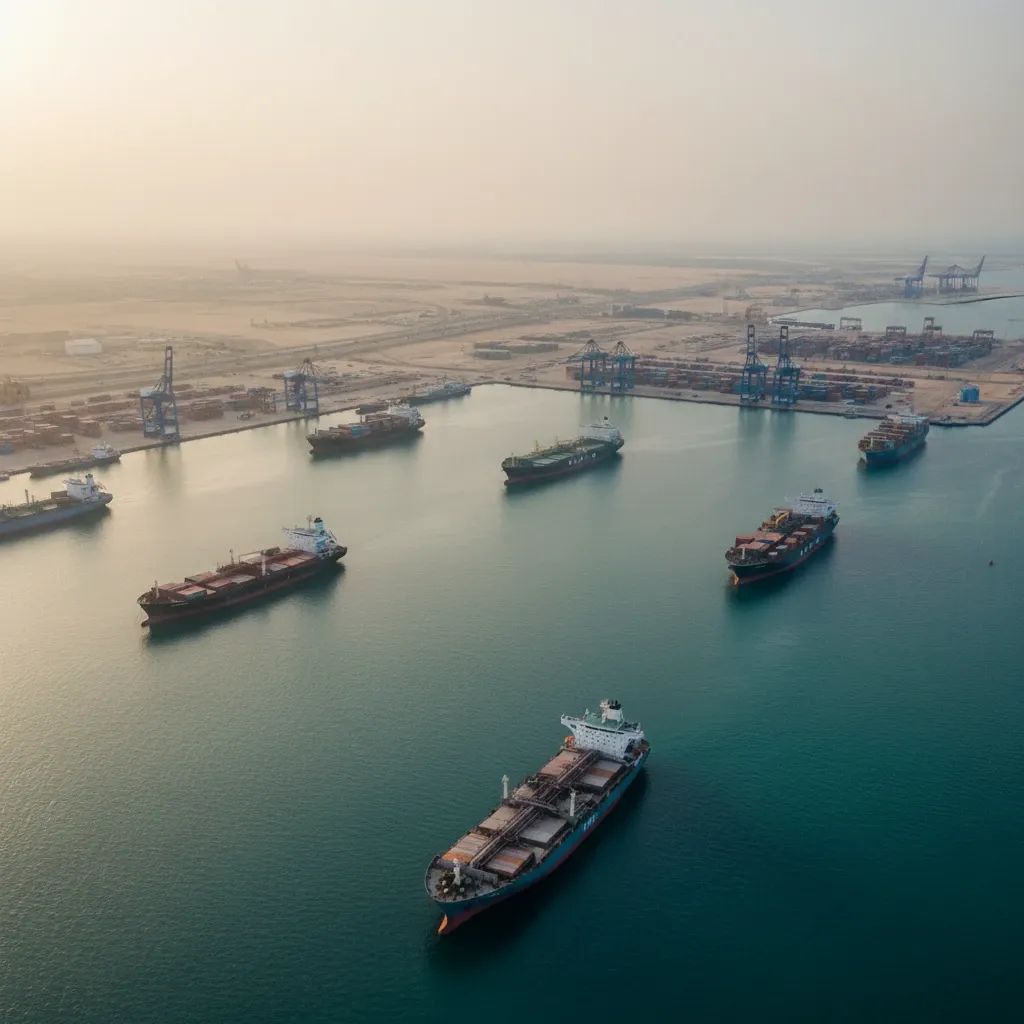
Maritime transport faces parallel disruption. Container ships circumnavigating Africa to avoid Red Sea threats add up to two weeks to delivery schedules, while "war-risk surcharges" inflate freight invoices. The European Union has extended Operation EUNAVFOR Aspides—a naval mission safeguarding commercial traffic—through February 2027, underscoring the persistence of the threat.
Tourism operators report a sharp pivot in booking patterns. Travelers are abandoning Middle Eastern stopover hubs in favor of perceived safe zones, redistributing demand toward Southern Europe and the Western Mediterranean. Yet even beneficiaries of this shift face headwinds: higher fuel costs erode margins for tour operators, and insurance premiums for operators serving Turkey, Cyprus, and Greece have climbed as intelligence agencies flag elevated terrorism risks linked to the conflict.
The World Travel & Tourism Council estimates "significant daily losses" in international travel spending, while European travel agencies lobby for government support schemes to cushion the blow.
Strategies to Mitigate the Impact
Industry analysts recommend that travelers act quickly. January emerged as the most economical booking window for Italy-Europe flights in 2026, and those who secured tickets before mid-March dodged the first wave of surcharges. For anyone planning summer trips, locking fares now—even with typical cancellation fees—may prove cheaper than waiting for further escalation.
Consider off-peak departures and alternative airports. A Tuesday morning flight from Bologna Guglielmo Marconi may carry a smaller fuel supplement than a Friday evening departure from Rome Fiumicino, simply because load factors remain lower. This hub-routing strategy proves especially valuable for expatriates and foreign residents in Italy who often fly from multiple Italian airports when visiting home countries. Flexible travelers willing to route through less-affected hubs—Lisbon, for instance, instead of Dubai—can sometimes bypass the steepest surcharges.
Loyalty-program bookings offer partial insulation: award tickets priced in miles or points typically incorporate fuel costs into the redemption rate rather than imposing separate surcharges, though availability on popular routes has tightened.
For corporate travel managers, renegotiating contracts with carriers that maintain robust hedging positions—or exploring rail alternatives for intra-European legs—can preserve budget discipline. The Rome–Milan high-speed corridor, for example, remains immune to kerosene volatility and offers comparable door-to-door times for city-center business districts.
Outlook: Uncertainty Through Year-End
Barclays projects a potential price retreat if diplomatic efforts yield results by mid-year, but competing forecasts warn that a prolonged Strait of Hormuz closure could lock in triple-digit crude through December. The International Energy Agency's downward revision of global demand hints at possible relief from oversupply, yet geopolitical risk premiums continue to override fundamental supply-demand dynamics.
Airlines with expiring hedge books face a reckoning in the third quarter. Carriers that locked favorable contracts through June will need to roll positions (renegotiate expiring contracts) at prevailing market rates, likely triggering a second round of surcharges in late summer. Air New Zealand has already suspended its full-year guidance, citing "uncertainty tied to the conflict's evolution and possible effects on the energy market."
For Italy-based travelers and expatriates, the message is clear: factor 20-30% fare inflation into 2026 travel budgets, prioritize early booking, and monitor carrier announcements closely. The era of spontaneous, low-cost long-haul travel has paused—at least until the skies over the Gulf reopen and the global kerosene market stabilizes.


