
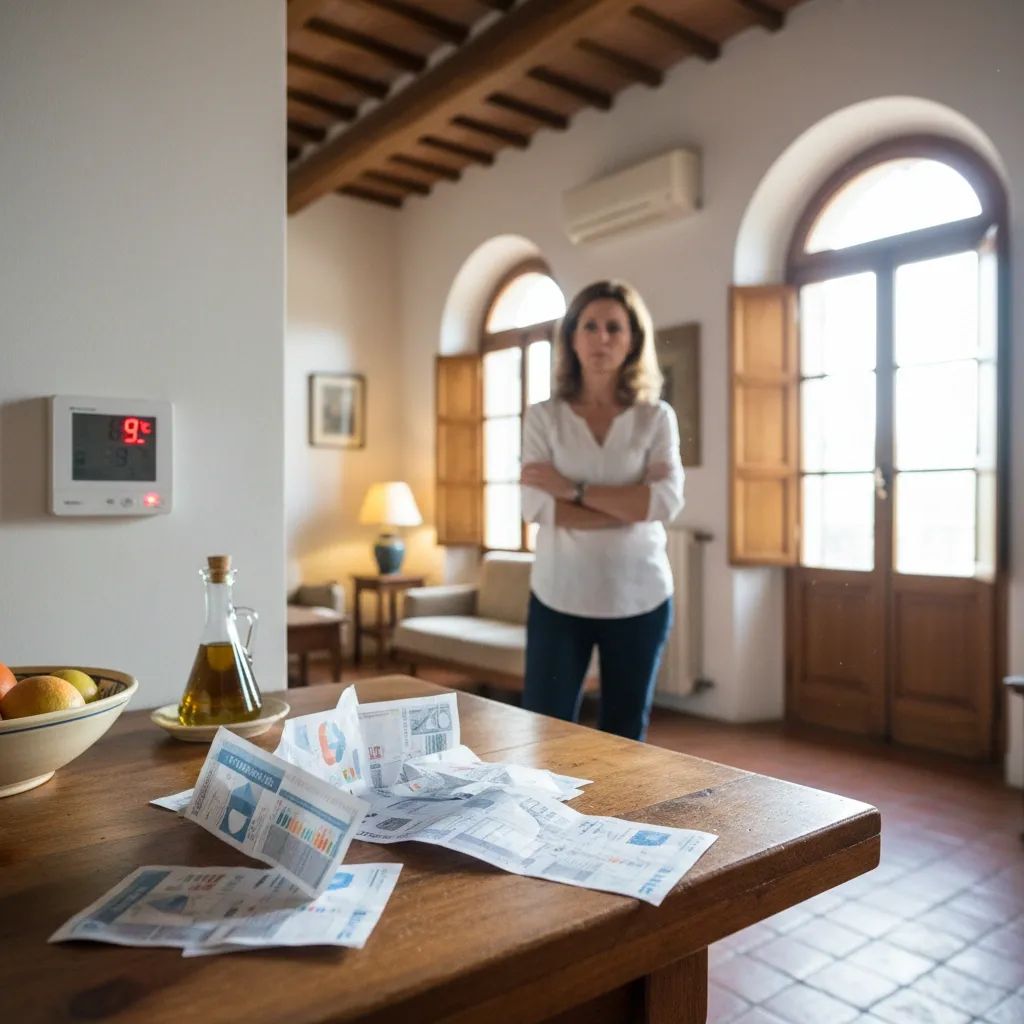
Italy's lower house has expanded eligibility for energy bill subsidies to include households connected to district heating networks, a change that brings financial relief to families previously excluded from the social bonus program based solely on their heating method.
The Amendment
The Bollette Decree amendment was approved by the Chamber of Deputies' Production Activities Committee. The change was introduced by Alberto Gusmeroli, chair of the Committee, who expressed satisfaction with the outcome, describing himself as "very, very satisfied" with the decision.
What Changed
Until now, the social bonus for energy bills (bonus sociale bollette)—a program designed to offset energy costs for low-income households—has primarily focused on electricity and natural gas bills. Households using district heating (teleriscaldamento), common in northern Italy's urban areas, found themselves unable to access this subsidy despite facing significant heating expenses.
The newly approved amendment removes that barrier by allowing district heating households to claim the social bonus based on ISEE income-testing criteria, the same means-testing system used for conventional utility subsidies. This ensures parity in social support regardless of heating infrastructure type.
How It Works
The social bonus for energy bills is an automatic discount applied to household utility costs for families meeting specific ISEE income thresholds. The bonus amount varies based on household size and local climate zone. Previously limited to electricity and methane gas customers, the new provision extends the same income-based criteria to district heating invoices.
Eligible households will see a proportional reduction in their heating bills. The subsidy is calculated and applied automatically by the heating provider, provided the household has a valid ISEE declaration on file.
District Heating in Italy
District heating systems—which distribute hot water or steam from a central plant through insulated pipes to multiple buildings—serve a significant portion of Italy's population, particularly concentrated in northern urban areas. The systems are often more energy-efficient and less polluting than individual boilers, yet their billing structures differ from standard gas or electric meters.
Administrative Implementation
Implementation of the amendment will require coordination between energy regulators, district heating operators, and social security agencies. The exact fiscal impact and detailed implementation timeline have not been publicly specified, as the amendment must still pass through the full legislative process.
Next Steps
The amendment's approval in committee represents a preliminary step, but it must still pass the full Chamber of Deputies and the Senate before becoming law. The measure reflects efforts to ensure that families using modern, efficient district heating systems are not excluded from energy cost relief programs available to other households.
For residents currently enrolled in the social bonus program, further guidance will be provided once the amendment completes the legislative process and implementation details are finalized.


