
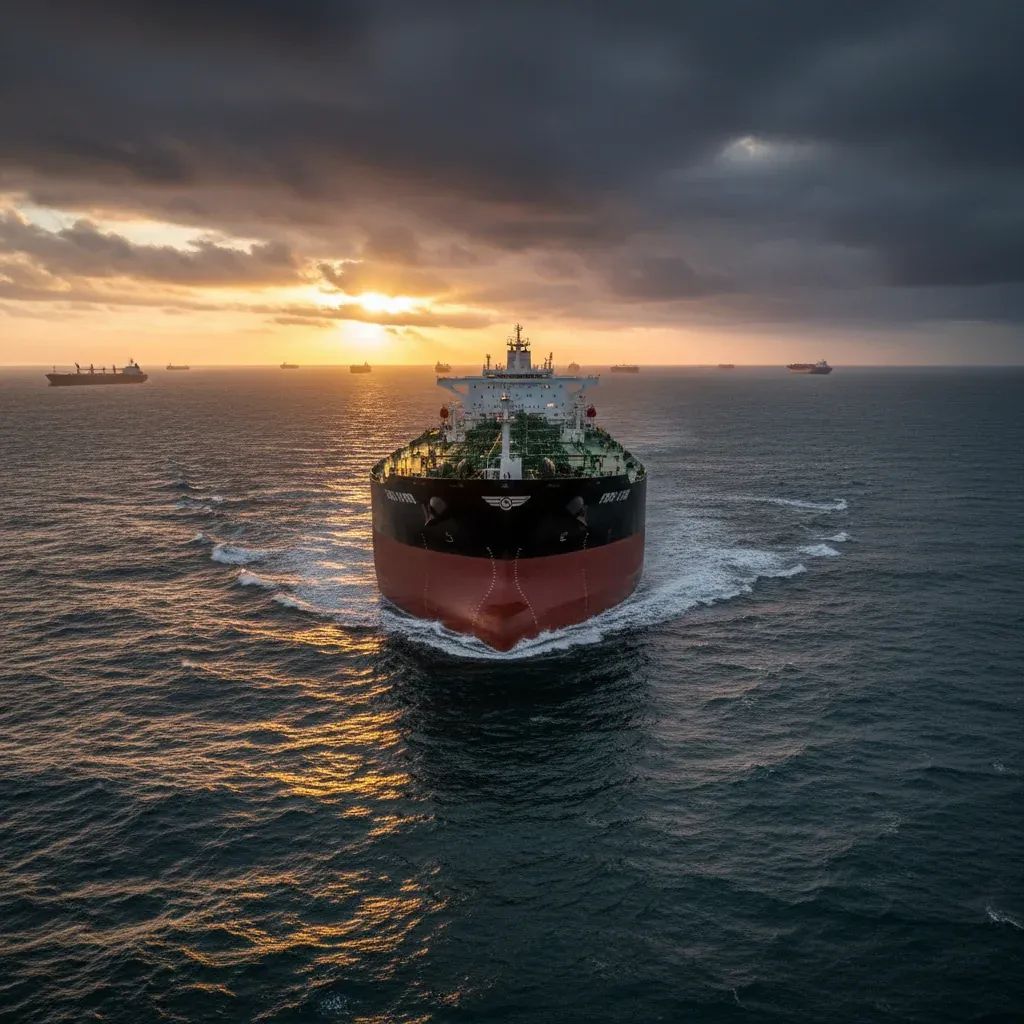
Italy's Cabinet has ruled out extending military operations to the Strait of Hormuz, maintaining its naval focus on the Red Sea amid growing concerns about global energy security and shipping disruptions. The decision reflects Rome's reluctance to escalate involvement in a regional conflict that threatens supply chains and costs for Italian consumers and businesses.
Why This Matters:
• Energy security concerns: The Hormuz crisis has raised questions about oil supply stability, with direct implications for Italian fuel and electricity prices.
• Naval commitment: Italy has assumed a role in Red Sea maritime security operations, but extending operations to Hormuz would mark a significant military escalation.
• Shipping disruption: The situation in the Strait of Hormuz—through which a significant portion of global oil passes—has triggered concerns among insurers and disrupted commercial shipping patterns.
• Economic exposure: Italian ports and import-dependent industries face pressure from shipping route changes and increased freight costs.
Rome Draws a Red Line on Hormuz
Prime Minister Giorgia Meloni made clear that while freedom of navigation remains a core Italian interest, deploying forces to the Strait of Hormuz represents a different level of commitment. Italy's government has stated a preference to focus on Red Sea operations rather than expand into the Persian Gulf, where tensions remain high.
Her position reflects the broader European hesitation about direct military involvement in the region. Market sentiment has been mixed, with some optimism about potential diplomatic solutions balanced against concerns about prolonged instability affecting energy markets.
The Italy Ministry of Defense confirmed that Rome is coordinating with European allies on the situation but has no intention of dispatching warships to the Persian Gulf. This stance aligns with the cautious approach taken by several European nations, while contrasting with the varying positions of different EU members on potential military involvement.
The Hormuz Situation: Supply Chain Concerns
The crisis in the Strait of Hormuz has raised alarm over potential disruptions to global energy markets. The strait is a critical chokepoint for international oil trade, making any prolonged disruption a concern for energy-dependent economies like Italy.
The situation has prompted increased insurance costs for commercial vessels and raised concerns among shipping companies about routing decisions. International maritime organizations have raised alarms about the impact on global trade flows and energy security.
Italian energy importers are particularly exposed given the country's reliance on imported energy. The potential for sustained supply constraints could affect inflation at the pump and in utility bills. ENI, Italy's state-controlled energy giant, is among companies reportedly exploring contingency plans for supply chain adjustments.
What This Means for Italian Businesses and Consumers
The Hormuz situation has potential cascading effects on Italy's economy:
Transport and logistics: Disruptions in traditional shipping routes could affect delivery times and costs for Italian importers of goods from Asia and the Middle East, potentially impacting inventory availability and business operations.
Manufacturing input costs: Industries reliant on imports face concerns about rising transportation costs, which could affect production expenses and pricing.
Inflation pressure: Energy market volatility remains a concern for central banks, including the European Central Bank, which is monitoring developments as part of broader inflation assessments.
Port traffic: Italy's ports have adjusted to changing global shipping patterns, with southern terminals seeing changes in traffic distribution among European hubs.
Italy's Red Sea Focus
Italy's decision to prioritize Red Sea maritime security operations rather than expand to Hormuz reflects both strategic calculation and practical constraints. The focus on existing naval commitments in the Red Sea allows Italy to contribute to regional maritime security while managing its military resources and avoiding deeper escalation.
European naval operations in the region operate under defensive mandates, designed to protect commercial shipping and maintain freedom of navigation. Expanding such commitments to the highly contested Strait of Hormuz would represent a fundamentally different level of engagement.
Europe's Cautious Response
The EU's approach to the Hormuz situation reflects internal divisions about the appropriate level of military involvement. Several European nations have expressed reluctance to directly engage in what they view as a regional conflict, preferring diplomatic approaches.
Germany has been particularly cautious, with officials emphasizing the need for diplomatic solutions and questioning the feasibility of European naval operations without American support. France has indicated willingness to explore options but only within a framework focused on ceasefire and de-escalation.
The United Kingdom has acknowledged the strait's importance but similarly emphasized de-escalation efforts. European foreign policy officials have stressed that any response should prioritize diplomatic rather than military approaches.
Existing European maritime operations continue to operate, though their capacity to influence the broader situation remains limited without broader international coordination.
Market Reaction and Outlook
Financial markets have responded with caution to developments in the region, reflecting uncertainty about the duration and impact of the crisis. Energy markets have shown volatility as traders assess the potential for prolonged disruption versus resolution through diplomatic channels.
The euro and other major currencies have fluctuated as investors assess implications for inflation and central bank policy responses. European equities have shown mixed reactions as different sectors face varying impacts from potential supply chain disruptions.
Italian equities have reflected broader market uncertainty, with investor sentiment tied to assessments of how prolonged energy market instability could affect the domestic economy.
Political Calculus and Diplomatic Strategy
Meloni's measured approach to the Hormuz question reflects the delicate balance Italian policymakers must strike between security commitments, energy security concerns, and domestic political considerations. Italy's Five Star Movement and other political factions have expressed concerns about military escalation, while others have emphasized the importance of security partnerships.
The Italy Ministry of Foreign Affairs is engaged in diplomatic efforts to protect Italian interests, including coordinating with international partners and seeking assurances about shipping safety for Italian-flagged vessels.
Analysts suggest that Italy's current approach represents an attempt to balance visible commitment to maritime security and international partnerships while avoiding the escalatory risks of direct involvement in the contested Hormuz Strait. For now, the government is pursuing a strategy focused on existing regional commitments and diplomatic engagement, while monitoring developments that could alter the strategic calculus.


