
The Italian Department for Sport has opened a €100M funding line aimed squarely at upgrading and building sports facilities in marginalized neighborhoods—a program that could reshape access to physical activity and social cohesion across hundreds of municipalities nationwide.
Why This Matters
• Applications open in June 2026: Italian municipalities can apply for grants to upgrade their sports infrastructure.
• 70% of funds target existing facilities: The government is prioritizing renovation, seismic upgrades, and energy retrofits over greenfield construction.
• Direct impact on daily life: These facilities are designed to combat urban decay, reduce youth crime, and provide free or low-cost access to sports for all ages.
• Track record of results: Previous editions of the program have funded projects with visible outcomes in cities like Caivano and other urban areas.
What the Money Buys
The "Sport e Periferie 2026" call allocates €30M for new multipurpose sports arenas and €70M for regeneration of pre-existing structures. Eligible projects include seismic reinforcement, accessibility improvements for people with disabilities, demolition-and-rebuild to nearly zero-energy building (nZEB) standards, and the purchase of sports equipment.
Andrea Abodi, Minister for Sport and Youth, framed the initiative as a constitutional obligation. "Sports infrastructure is fundamental to the right to practice sport, as enshrined in our Constitution," he said in an official statement. "This government views facility upgrades as strategic—not just for athletics, but for social cohesion, especially in the most disadvantaged areas of the nation."
The call is open to all Italian municipalities. Projects must target facilities used for competitive sports—recreational courts and casual training grounds do not qualify.
Application Window
Official details regarding the specific application dates, times, and online submission platform will be announced closer to the launch date. Municipalities should monitor official government announcements for the latest information and submission procedures.
Selection criteria emphasize project quality and measurable social impact. Historically, applications that demonstrate partnerships with local sports clubs, schools, and non-profits, and that include plans for long-term management and community programming, have been favored.
What This Means for Residents
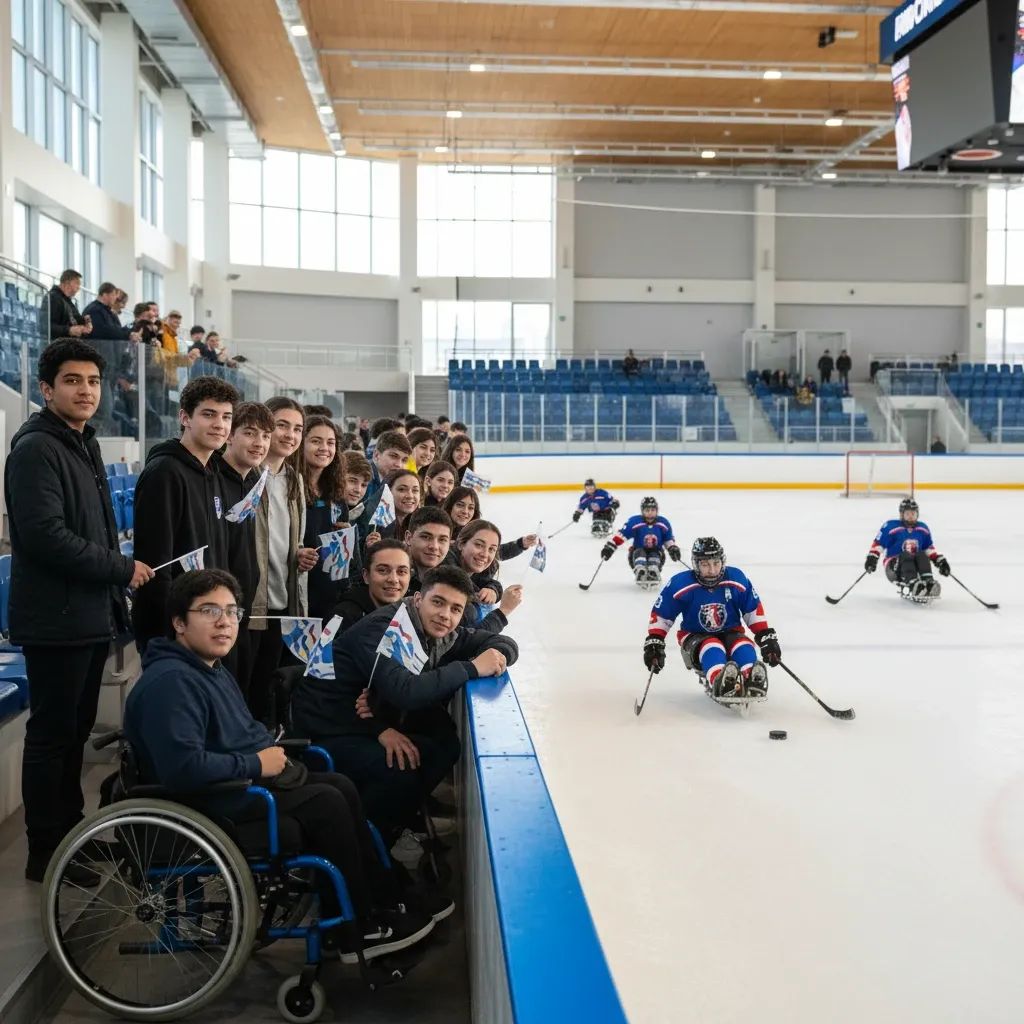
For expats and long-term foreign residents, this program signals a rare opportunity to see tangible improvement in neighborhood livability. Many suburban and peripheral areas in Italian cities suffer from outdated, unsafe, or inaccessible sports infrastructure. This funding can turn an abandoned space into a safe basketball court, retrofit a crumbling gym into a modern multi-sport hub, or add wheelchair ramps and automated lighting systems to a neglected municipal pool.
Beyond the physical upgrades, the government's strategy ties sports access directly to crime prevention and youth engagement. The flagship example is the Pino Daniele sports complex in Caivano, once an abandoned lot in a high-crime Neapolitan suburb. After renovation financed by earlier "Sport e Periferie" funds, the site now hosts youth leagues, free training programs, and community events—credited with reducing petty crime and truancy in the surrounding blocks.
Similar models have been replicated across various Italian neighborhoods where sports infrastructure investment has helped revitalize communities and improve resident engagement.
Track Record and Scale
The "Sport e Periferie" program is not new. Since its inception in 2020, the Italian government has committed significant resources to public sports infrastructure. Recent editions have funded projects across municipalities of various sizes, with particular attention to regions where public sports facilities are often substandard or nonexistent.
This 2026 edition maintains that commitment to comprehensive infrastructure development nationwide, though specific allocation details will be confirmed in official program guidelines.
Energy and Safety Standards
A distinguishing feature of the 2026 call is the emphasis on environmental sustainability and seismic safety. Projects involving demolition and reconstruction must meet nZEB (nearly Zero Energy Building) criteria, meaning ultra-low energy consumption and on-site renewable generation. Existing facilities can apply for energy audits, installation of building automation systems, solar panels, and LED lighting—interventions that reduce municipal operating costs and carbon footprints.
Seismic upgrades are also prioritized. Italy's seismic code requires that public assembly buildings, including sports halls, meet strict performance standards. The program explicitly funds structural reinforcement, which is often prohibitively expensive for small municipalities without external support.
Who Benefits Most
The program is designed to serve multiple constituencies: youth athletes gain access to competitive-level facilities closer to home, reducing travel and participation barriers; schools can integrate physical education programs with upgraded public infrastructure; elderly and disabled residents benefit from accessibility improvements; and municipal budgets receive capital investments that would otherwise be difficult to finance.
For foreign residents and expats, the program can improve quality of life in neighborhoods that have historically received less investment. Whether you are a parent seeking safe places for children to play sports, an amateur athlete looking for proper courts or pools, or simply a resident who values clean, functional public spaces, this funding has the potential to enhance everyday life in peripheral areas.
Political and Social Context
Minister Abodi's statement underscores a broader government philosophy: sports infrastructure as social policy. "Regular physical activity is the best form of individual and social immune defense," he noted, linking sports access to public health, chronic disease prevention, and mental well-being.
This approach reflects a shift in Italian urban policy over the past decade, moving away from purely cosmetic renovations toward integrated interventions that address root causes of social marginalization. Sports facilities become anchors for after-school programs, job training, and community events—functions that extend well beyond the original athletic purpose.
Practical Next Steps
If you live in an Italian municipality with degraded or inadequate sports infrastructure, now is the time to engage with local government. Attend town council meetings, contact your mayor's office, or reach out to local sports clubs to ask whether your municipality plans to apply. Public input can strengthen applications by demonstrating community demand and support.
For municipalities, the message is clear: this program offers a chance to leverage national funds for projects that deliver immediate, visible benefits to residents—projects that can help develop vibrant, active neighborhoods across the country.


