
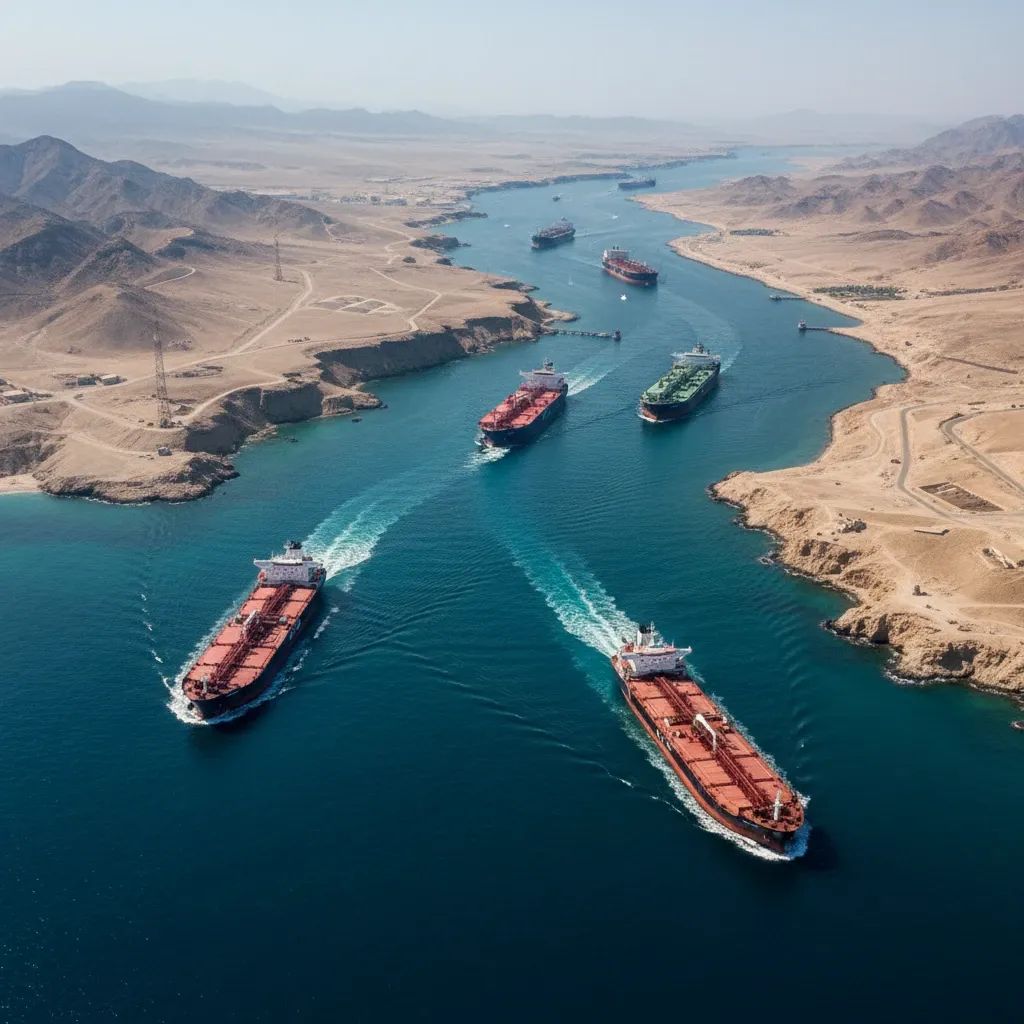
A merchant vessel anchored off the United Arab Emirates coast has been boarded by unidentified personnel and is now heading toward Iranian territorial waters, according to the UK Maritime Trade Operations Centre (UKMTO). The vessel was anchored 38 nautical miles northeast of Fujairah when the boarding occurred.
Immediate Facts
The UKMTO, a coordination center run by the UK Royal Navy, monitors merchant traffic and threat reports across the Middle East's maritime corridors. Neither the vessel's name, flag, nor cargo have been disclosed. UKMTO protocols typically withhold identifying details until owners or flag states authorize release, especially when crews remain aboard and negotiations may be underway.
The incident occurs amid reported tensions in the Strait of Hormuz, a critical waterway through which roughly 20% of global maritime oil traffic passes. Recent reports indicate increased maritime activity in the region, though specific details of ongoing incidents remain limited.
Why This Matters for Italy Residents
For residents and businesses in Italy, disruptions to the Strait of Hormuz can affect energy supplies and costs. Italy imports roughly 12% of its crude oil from Gulf producers, much of which transits this waterway. Any prolonged instability could increase insurance premiums for shippers, which in turn may affect fuel prices at the pump and costs for diesel-dependent industries.
Italian logistics firms with operations in the Middle East or Asia could face delays and rerouting costs if major shipping corridors become unreliable. Some carriers have been known to divert around the Cape of Good Hope during periods of regional tension, adding two weeks to transit times.
What You Should Monitor
For residents and businesses:
• Check the Farnesina (Italian Ministry of Foreign Affairs) travel advisory portal for updates if you have travel plans to the region
• Fuel price monitoring: Watch energy price indices if you're concerned about pump prices or diesel costs
• Supply chain impacts: Italian companies with shipping contracts dependent on Gulf routes should review force majeure clauses and consider alternative routes
• Travelers transiting UAE airports or ports should consult official travel advisories before departure
The Italian Ministry of Foreign Affairs continues to monitor developments through the EU External Action Service, which coordinates member-state responses to regional developments.
The Broader Context
The Strait of Hormuz has seen increased tensions in recent months, with various reports indicating heightened maritime activity and several reported incidents. The international community, including the UK Royal Navy and other allied naval forces, maintain monitoring and coordination efforts in the region.
The International Maritime Organization (IMO) has called for adherence to freedom-of-navigation principles in international waters.
What Happens Next
For now, the fate of the seized vessel—and its crew—remains uncertain, as UKMTO continues to liaise with regional authorities and the ship's operators. Residents and businesses should stay informed through official channels and monitor reputable news sources for developments that could affect fuel prices, travel, or supply chains.


