
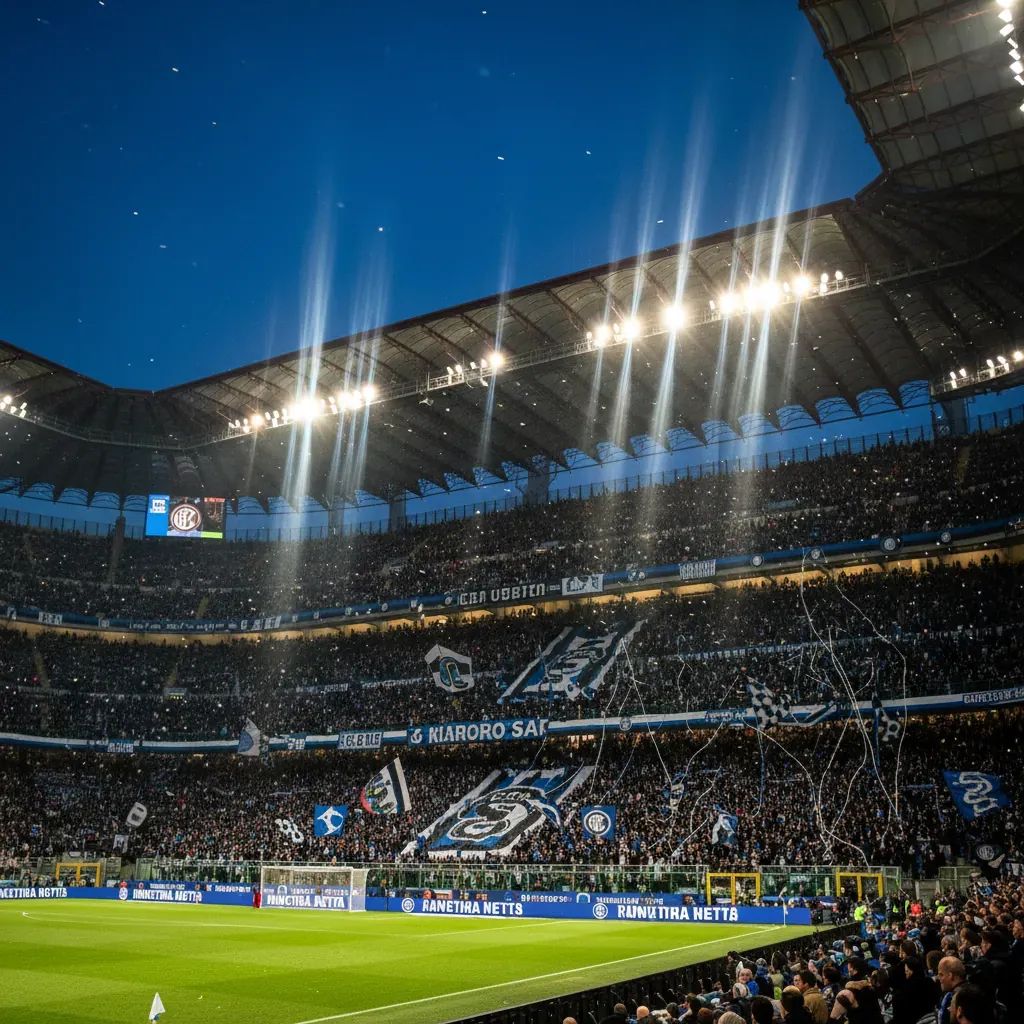
AS Roma is fighting for a Champions League berth in the final stretch of the Serie A 2025-2026 season, and the stakes couldn't be higher—with qualification worth between €60 M and €90 M in revenue. The capital club's derby against Lazio, scheduled for today at noon, is just one piece of a complex puzzle involving contract expirations, ownership decisions, and a scramble among five teams for European football's top prize.
Why This Matters
• Champions League windfall: Finishing in the top four guarantees Roma between €60 M and €90 M in additional revenue—critical for the club's financial health and future investments.
• Ownership commitment: The Friedkin family has injected nearly €1 billion into the club and is currently in Rome overseeing contract renewals and the appointment of a new sporting director.
• Player futures: Key figures like Paulo Dybala, Lorenzo Pellegrini, and Zeki Celik all have contracts expiring on June 30, 2026, with renewal talks ongoing and uncertain outcomes.
Scheduling Chaos and Strategic Fairness
The Rome derby has been a logistical nightmare. Originally scheduled for Sunday at 12:30, then moved to Monday evening at 20:45, the match will now be played today—Sunday, May 17—at noon. The reason? The Italian Open tennis final at the Foro Italico, just a few hundred meters from the Stadio Olimpico, was set for 17:00, with Jannik Sinner competing and President Sergio Mattarella expected in the stands.
To ensure competitive fairness, Serie A scheduled all five matches involving teams in the Champions League race simultaneously. Como-Parma, Juventus-Fiorentina, Genoa-Milan, Pisa-Napoli, and Roma-Lazio all begin at noon, preventing any side from knowing rivals' results before taking the field. This approach reflects the asimmetric calendar structure of Italian football, where return fixtures don't mirror the order of the first half of the season, requiring careful planning to avoid giving anyone an unfair advantage.
Roma's coaching staff has acknowledged the scheduling mess but kept their focus pragmatic. The approach reflects commitment to readiness regardless of circumstances. Their counterpart at Lazio initially threatened to boycott the match if forced to play at lunchtime, then walked back the comments. Those familiar with Lazio's leadership know how much the derby means to them, and the outburst was seen as momentary frustration rather than a genuine threat.
The Battle for Europe
Roma enters the derby with Europa League qualification already secured—a solid achievement in itself—but the club's ambitions stretch higher. Roma's side sits level on points with AC Milan, one point behind Juventus, and three behind Napoli. They've leapfrogged traditional rivals like Lazio, Atalanta, and Bologna in the standings, and two wins in the final two rounds could seal a top-four finish.
Roma's management has emphasized the importance of maintaining hunger: "We've already hit a great milestone, but that shouldn't take away our ambition in these last two matches." The team has relied heavily on so-called derby men, players who thrive in high-pressure, identity-defining matches. Captain Lorenzo Pellegrini, for instance, has been training regularly for a week and is expected to start. Paulo Dybala, decisive in the reverse fixture earlier this season, is also set to feature despite ongoing uncertainty about his future.
Lazio, meanwhile, arrived hobbled. Star winger Mattia Zaccagni was ruled out with a muscular issue, and young goalkeeper Motta, known for his penalty-saving heroics, was also unavailable. For Lazio's leadership, the derby represents the only remaining motivation in what has been a disappointing campaign. The competitive edge is expected to be sharp, with both teams viewing this as a critical moment.
Only Roma supporters were permitted inside the Olimpico, with a crowd of approximately 49,000 filling the stands. Lazio ultras, protesting the scheduling chaos, organized a viewing party at Ponte Milvio instead of attending the match. Roma's own hardcore fan groups initially threatened a boycott but ultimately decided to show up and support the team.
Looming Farewells and Uncertain Futures
The derby could mark the last home appearance for several key players. Stephan El Shaarawy has already confirmed his departure, issuing an emotional farewell to the club and fans after a decade in red and yellow. His contract expires on June 30, 2026, and will not be renewed.
Paulo Dybala's situation is more complex. While an automatic extension clause reportedly kept him at the club until June 2026, recent reports suggest the Argentina international has received no offers for renewal. He hinted publicly that the derby might be his final match at the Olimpico. Roma's management is reportedly pushing for a new deal with a reduced base salary supplemented by performance-related bonuses. Clubs in Turkey and Boca Juniors in Argentina have expressed interest if he decides to leave.
Lorenzo Pellegrini, the club captain, signed an extension in October 2021 that runs through June 2026, but the structure of that deal is now under review. Roma wants to lower his wages significantly, and if negotiations fail, both Juventus and Inter Milan are monitoring his availability as a potential free agent.
Right-back Zeki Celik is also on his way out. Talks over a renewal have stalled due to a gap between his salary demands and the club's offer. Multiple clubs across Europe—including Juventus, Inter, Liverpool, Fulham, Newcastle, Manchester United, and Arsenal—have shown interest in the Turkey international. Roma is already scouting replacements.
The Friedkin Vision
Ryan Friedkin, vice president of AS Roma, has been in the Italian capital throughout May to oversee the club's strategic direction. His presence is viewed as a positive signal for the organization's future planning and execution.
The Friedkin Group approved a capital increase in December 2025, raising the total from €650 M to €800 M, with a deadline of December 31, 2026. Their cumulative investment in Roma is approaching €1 billion, underscoring their long-term commitment despite recent expansion into English football with the acquisition of Everton. The family has stressed that the addition of Everton will not dilute their focus on Roma, which remains central to their football ambitions.
Immediate priorities include appointing a new sporting director to replace Frederic Massara, finalizing player renewals, and planning squad reinforcements with Roma's coaching staff. Securing Champions League qualification is viewed as essential to strengthening the club's negotiating position and accelerating the broader project, which includes the development of a new stadium honoring Roma's storied history.
What This Means for Residents
For Romans and Italian football fans, the next few weeks will define not only the club's financial future but also its competitive identity. A Champions League spot would inject crucial revenue, allow Roma to compete for higher-caliber signings, and validate the Friedkin investment. Missing out, on the other hand, would likely trigger a summer of cost-cutting, departures, and a reset of expectations.
The contract situations create additional intrigue. Dybala and Pellegrini are beloved figures, and their potential exits would represent symbolic turning points. El Shaarawy's confirmed departure already marks the end of an era, while Celik's likely exit reflects the club's need to trim the wage bill and refresh the squad.
Roma's project in its current phase hinges on Champions League football. The coming days will reveal whether the club can convert ambition into achievement—and whether the Friedkin family's billion-euro bet will pay dividends on the pitch.


