
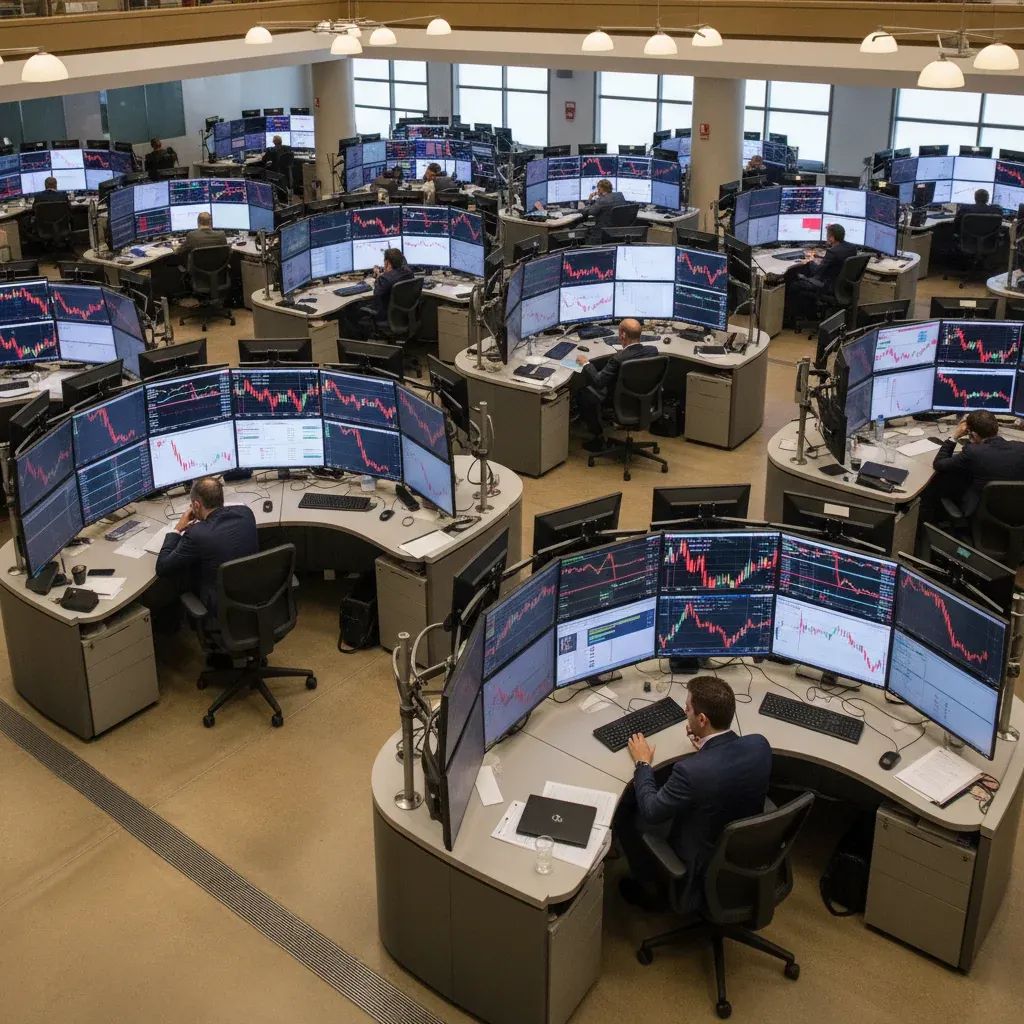
Italy equity markets decline amid Middle East tensions and rising oil prices
Italian stock markets fell today as concerns about Middle East tensions pushed oil prices higher. The FTSE MIB and broader European indices absorbed pressure from overnight losses in Asia, where markets reacted to geopolitical uncertainty in the region.
Market Movement
• Oil prices jumped 2% today, with Brent crude hitting $104.35 per barrel—a development that will directly increase fuel costs and add to inflation pressures across Italy.
• European futures are down 0.6%, signaling weakness for Milan's FTSE MIB and other continental indices.
• Asian markets declined overnight: Seoul's KOSPI fell 3.2%, Hong Kong's Hang Seng dropped 1.9%, while Chinese indices shed between 1.3% and 1.7%. Tokyo and Sydney managed smaller losses.
The market decline reflects concerns about tensions in the Middle East and uncertainties surrounding diplomatic negotiations in the region. While specific details about current military developments remain unclear, the market's reaction underscores investor concern about potential disruptions to global energy supplies.
What Rising Oil Means for Italy
For Italy, a net energy importer, higher oil prices translate directly into increased costs for fuel, transportation, and heating. Brent crude's move above $100 per barrel typically feeds into consumer prices within weeks, particularly affecting:
• Fuel costs at the pump
• Transportation and logistics expenses
• Household heating bills, especially as seasons change
The European Central Bank has been working to reduce inflation through gradual interest rate adjustments. Sustained oil price increases could complicate this effort by pushing inflation pressures higher, potentially affecting when rate cuts might occur—a factor Italian borrowers with variable-rate mortgages should monitor.
Portfolio Implications
Italian investors should note that energy-intensive sectors like transportation, chemicals, and manufacturing may face earnings pressure if oil remains elevated. Defensive sectors such as utilities and consumer staples have historically offered more stability during periods of commodity price volatility.
For those holding international investments, continued market uncertainty may produce volatility in the near term. The situation remains fluid, and clarity on diplomatic developments could produce sharp market movements in either direction.
Looking Ahead
Today's market action reflects how quickly external shocks—particularly those affecting global energy markets—can impact Italian investors and households. After navigating pandemic recovery and previous energy crises, maintaining awareness of these developments remains important for financial planning.
The key metric to watch: whether oil prices stabilize at current levels or move higher. Market sentiment will likely shift once there is greater clarity on the geopolitical situation and its potential impact on global energy supplies.


