
The Italian government is resisting pressure from Washington to contribute warships to a potential mission in the Strait of Hormuz, with Deputy Prime Minister Matteo Salvini warning that sending naval forces into the volatile waterway could escalate tensions. His comments underscore Rome's preference for diplomatic caution over military intervention, even as tensions in the Middle East disrupt global energy markets and send fuel prices spiraling at Italian pumps.
Why This Matters
• National fuel costs have jumped 15.3 cents per liter for gasoline and 32.2 cents for diesel since late February, with diesel now averaging €2.09/liter.
• Italy imports 21% of its oil and gas via the Strait of Hormuz, making supply disruptions a direct threat to Italian consumers and industry.
• The cabinet is threatening an "extraprofits" tax on oil companies—similar to last year's bank levy—if prices keep climbing.
• A ministerial meeting Wednesday will demand price commitments from Italy's major fuel retailers.
Rome's Red Line on Military Deployment
Speaking on RTL 102.5, Salvini made clear that Italy had not been adequately consulted before recent military actions in the region. "We have to pursue our national interests," the League leader said. "When decisions are made, are we being involved from the start? No, we are informed after the fact."
The Deputy Prime Minister emphasized that "this is not our war" and insisted Italy is not at war with either Russia or Iran. He praised the cabinet's cautious stance, noting that deploying warships into an active conflict zone would bring Italy into a dangerous situation. The remarks reflect broader European hesitation: Germany, the United Kingdom, and Italy have all expressed reluctance to extend military commitments in the Persian Gulf region, despite calls from Washington for allied support.
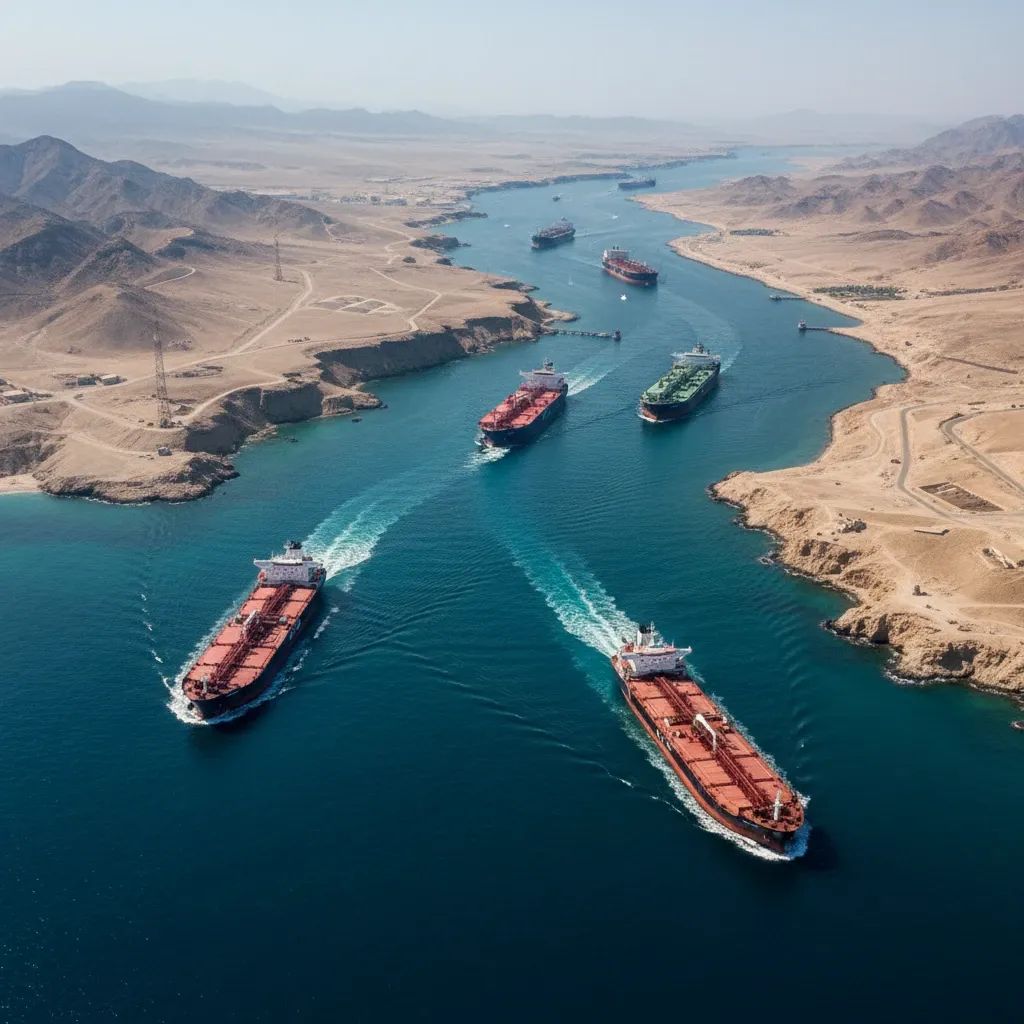
The Strait of Hormuz has become increasingly unstable, with maritime traffic severely disrupted as tensions between Iran and the United States escalated. The chokepoint normally handles a critical share of global oil and liquefied natural gas exports, and any prolonged closure directly impacts energy supplies worldwide and Italian fuel prices specifically.
Fuel Price Surge and the Extraprofits Gambit
The regional instability has triggered sharp increases in crude oil prices, which have surged significantly from earlier levels. Italian consumers are feeling the immediate squeeze: fuel prices at the pump have climbed to €1.85/liter for gasoline and €2.09/liter for diesel at self-service pumps on the road network, with highway stations charging even more.
Salvini has convened an emergency meeting Wednesday with heads of Italy's main oil companies to demand they freeze prices or face a mandatory levy. "I plan to come out of that meeting with concrete commitments," he said. "Oil companies are making extraprofits just like the banks did in recent years. Last year we had the strength to ask the banks for a contribution of several billion euros. If there is no willingness to stop prices, we could request another substantial economic intervention from the oil companies."
The threat echoes the government's 2025 windfall tax on banks, which proved politically popular. Industry observers question whether a similar levy on fuel retailers would actually lower pump prices or simply represent a one-time fiscal measure, but the government appears determined to be seen taking action as households face mounting energy bills.
Divergent Responses Across the EU
European capitals are moving in different directions on energy policy, Salvini noted, with some member states re-evaluating fuel duties and others continuing various energy strategies. European officials have proposed different approaches to address the Hormuz situation, but no consensus has emerged. Germany and the UK have signaled they prefer diplomatic engagement over further militarization of the region.
Italy's position reflects both strategic calculation and economic reality. The country's industrial base—dependent on stable energy supplies—faces pressure from sustained high prices. Small and medium enterprises, the backbone of the Italian economy, would be particularly vulnerable to prolonged energy cost increases.
What This Means for Residents
For anyone living in Italy, the immediate concern is the cost of living. Diesel, the fuel of choice for freight and many passenger vehicles, has jumped more than 30 cents per liter in recent weeks. If regional instability persists, expect further increases at the pump and higher prices for goods that depend on trucking—essentially everything from groceries to construction materials.
The government's Wednesday meeting with oil executives is the first tangible policy response. If Salvini secures voluntary price caps, relief could come within days. If the talks fail, a tax on windfall profits might follow, though any resulting subsidies or rebates would likely take time to implement.
Longer term, Italy's energy security depends on diversification of supply sources and reducing dependence on any single region. Yet with 21% of oil and gas imports tied to Middle Eastern supplies, the country remains exposed to geopolitical shocks originating in that region.
The Diplomatic Calculus
Salvini's refusal to commit Italian naval assets reflects a broader debate within NATO and Europe about military intervention. Washington has urged allied nations to help secure energy supplies, but European governments are cautious about military commitments they do not fully control or authorize. The fact that recent military actions proceeded without prior full consultation with Rome has reinforced Italy's determination to chart an independent course on defense matters.
For now, the Italian government will pursue diplomatic options and prepare contingency measures to manage energy costs, while Italian drivers watch fuel prices climb at the pump. Rome's strategy is to prioritize economic management and diplomatic solutions over military intervention in regional conflicts.


