
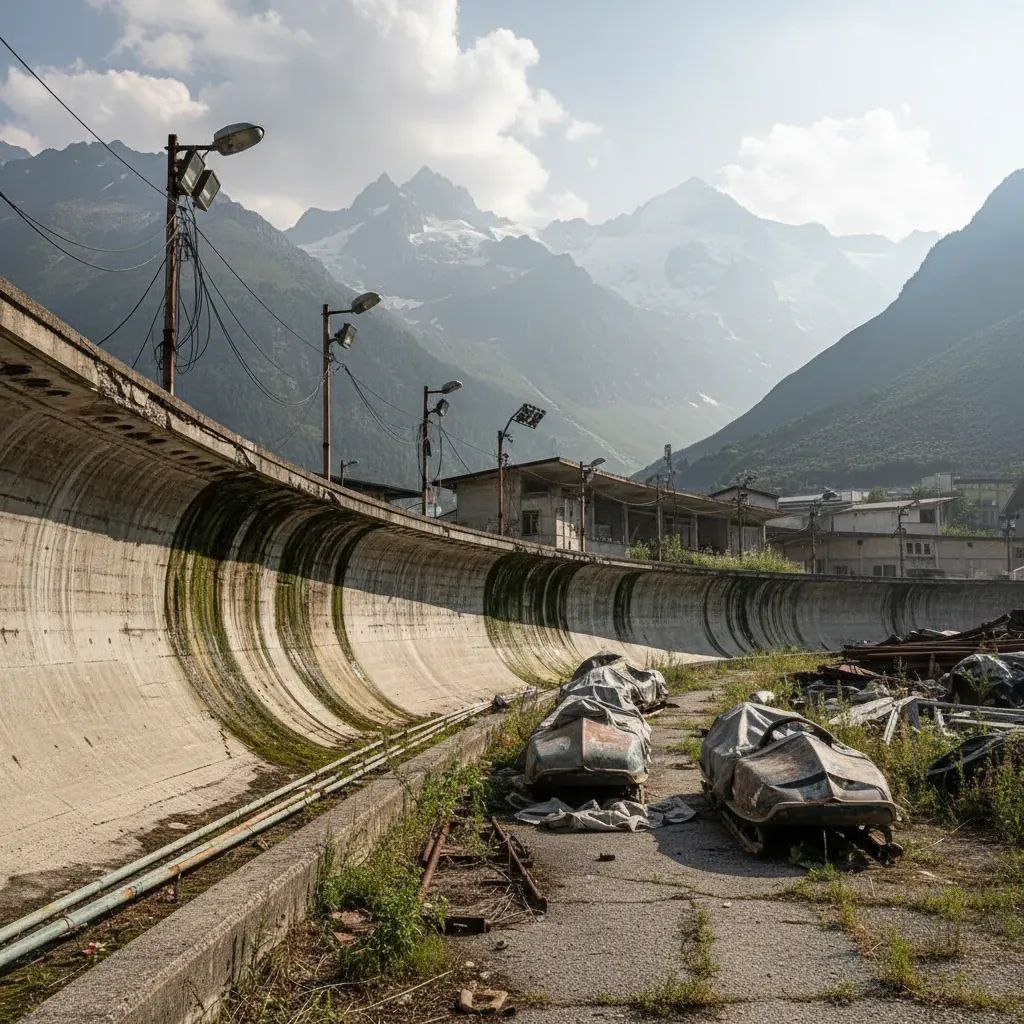
Following the conclusion of the Milano Cortina 2026 Winter Olympics in February 2026, the Veneto Regional Court of Auditors launched a probe in May 2026 into potential state treasury damage tied to the Cortina d'Ampezzo Sliding Centre, the bobsled track that hosted events during the Games. The investigation centers on over €1M in damages discovered after the Olympics ended—damages that have sparked questions about liability among builders, organizers, and oversight bodies.
Why This Matters:
• Public money at stake: The track cost €118M to build; repairs could exceed €1M, and taxpayers may foot the bill depending on the court's findings.
• Cancelled national championships: Italy's bobsled, skeleton, and luge championships scheduled for March 2026 were cancelled due to facility conditions.
• Parallel investigations elsewhere: A similar inquiry opened in Lombardy targeting Milano's Santa Giulia Arena, suggesting broader post-Olympic infrastructure concerns.
• Future competitions in question: International competitions are scheduled through 2029, contingent on repairs being completed.
What Happened at the Olympic Sliding Centre
Following the Olympics, a technical inspection documented significant damage to the "Eugenio Monti" facility. The survey identified issues including damaged refrigeration piping, missing or loose track edge fixtures, compromised electrical systems, and debris throughout operational areas. The damage tally exceeded €1M, prompting formal scrutiny from Italy's Veneto Procura della Corte dei Conti, the regional prosecutor's office responsible for safeguarding public funds.
The investigation aims to determine whether deterioration stemmed from pre-existing construction defects, operational conditions during the Olympics, or post-event mismanagement. Central questions include: Did the Milano Cortina 2026 Foundation, which operated the venue during the Games, adequately maintain the facility? Or did Simico (the state-owned infrastructure company) and its contractor Pizzarotti deliver a substandard product from the start? These questions remain under investigation with no liability determinations yet made.
The Dispute Over Responsibility
The formal handover of the track from the Olympic organizing committee to Simico and the Municipality of Cortina was delayed due to disagreements over the facility's condition. Both Simico and Pizzarotti have stated they delivered the track to professional standards and argue that any damage must be attributed to operational choices made during the Olympic event.
The Municipality of Cortina, which will assume long-term ownership and operational responsibility, has contested the damage claims and retained legal counsel. The town faces not only the immediate repair costs but also substantial annual operating expenses exceeding €1.1M, including a baseline maintenance budget of approximately €94,000 per year—a significant burden for a community of fewer than 6,000 permanent residents.
Impact on Athletes and Future Events
The damage affected Italy's winter sports calendar. The Italian national championships for bobsled, skeleton, and slittino (luge) scheduled for March 2026 were cancelled due to the track's condition. For Italian athletes, this meant forgoing a domestic championship venue and increased travel requirements for international competition.
Despite the turmoil, the International Luge Federation (FIL) has already scheduled World Cup stages at Cortina for the 2026/27, 2028, and 2029 seasons. Simico has stated that only targeted repairs are needed to restore full functionality, though the documented damage suggests significant work is required.
The Court of Auditors' Role and Implications
Italy's Court of Auditors functions as the nation's fiscal watchdog, investigating potential waste or mismanagement of public funds. The Veneto branch's involvement signals that authorities are scrutinizing not just construction but also operational oversight of Olympic venues. The investigation remains ongoing, with no formal findings or liability assignments yet announced.
The parallel investigation in Lombardy suggests broader concerns about how Olympic infrastructure projects managed handovers, maintenance protocols, and accountability during and after the Games.
Financial and Regional Considerations
For Veneto residents and Italian taxpayers, the outcome has implications. The Veneto Region committed €4.5M between 2024 and 2025 to support Sliding Centre operations as part of a plan to establish it as a FISI (Italian Winter Sports Federation) national training center—an initiative approved in February 2026. However, those funds were allocated for programming and athlete development, not emergency repairs. If liability falls to public entities, resources may need to be diverted from other regional priorities.
The track's original cost of €118M was justified by promises of long-term international use and prestige. Clear accountability structures for venue maintenance during and after Olympic events could influence how future host cities structure similar agreements, insurance provisions, and inspection protocols.
For now, the Sliding Centre remains in legal and operational limbo as stakeholders await the Court's investigation findings.


