
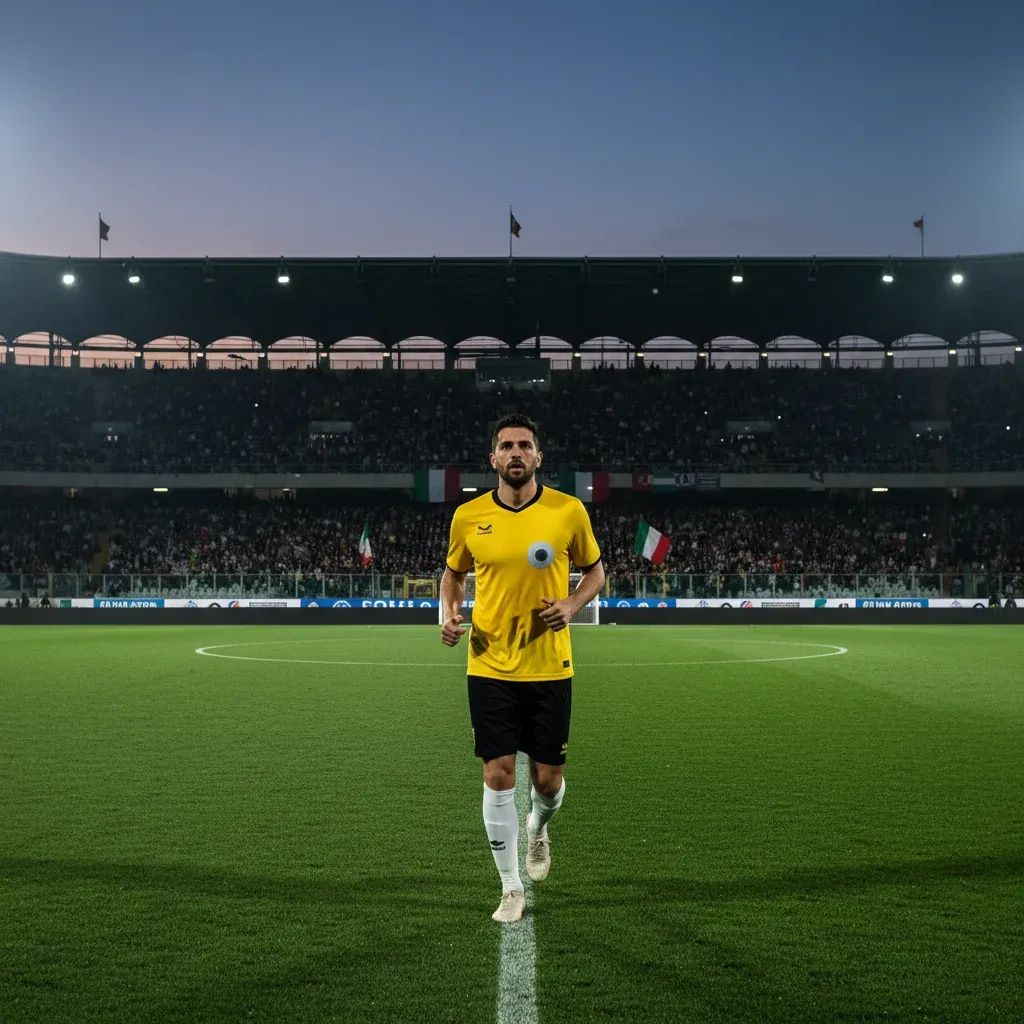
Edoardo Bove has stepped back onto a professional pitch with England’s Watford, a move that reopens his career but also casts harsh light on the Italian ban against athletes who compete with a sub-cutaneous defibrillator.
Why This Matters
• Italian rules still forbid competitive play for anyone fitted with an ICD, even after full recovery.
• England’s case-by-case approach allowed Bove to sign a 5.5-year deal and play again on 14 February 2026.
• The discrepancy could affect hundreds of amateur athletes in Italy who face the same medical barrier.
• Clubs here may soon face pressure to update pitch-side safety if regulators soften the prohibition.
The Return Nobody Expected
When the fourth official raised his board on 86 minutes of Watford-Preston, Vicarage Road erupted. Bove, just 23 years old, jogged on, greeted by teammates’ handshakes, a chorus of "Bella Ciao" from travelling Italians, and even a banner reading "Il cuore non molla". Fourteen months earlier, during a Fiorentina-Inter league match, the midfielder had collapsed with a cardiac arrest that stopped play and hearts alike. Surgeons later implanted an ICD—the same life-saving device that keeps Denmark’s Christian Eriksen on the pitch.
Italy’s Medical Red Tape vs England’s Pragmatism
Under the FIGC’s current medical code, any professional with an implantable defibrillator is automatically labelled "non-idoneo" for agonistic sport. The rule, grounded in a 1982 ministerial decree, was drafted before modern ICDs could distinguish athletic heart rates from lethal arrhythmias. England’s Football Association, meanwhile, follows a "shared decision" protocol endorsed by the 2024 HRS Consensus. Specialists, club, and player weigh individual risk, monitor device settings, and provide extra pitch-side AED units. The result is stark: where Italy shows the red card, England shows a yellow—then lets you play on.
Doctors Weigh In on the Real Risks
Sports cardiologists contacted by Il Post Italiano agree that ICD carriers face three main dangers: in-game shocks, potential trauma to the lead wire, and the underlying cardiomyopathy itself. Yet a recent multi-centre cohort of 440 competitive athletes worldwide reported zero deaths and only 7 % appropriate shocks over three seasons. Professor Renzo Mariani, an adviser to CONI, notes that modern devices can be programmed to ignore "normal" exercise rates up to 200 bpm, reducing false alarms. He argues that Italy’s stance "protects federations from lawsuits more than hearts." Still, he concedes that high-contact sports such as rugby present collision risks that football rarely matches.
What This Means for Residents
For everyday players in Rome’s amateur leagues or parents signing a child up for youth football, Bove’s case crystallises a dilemma:
• If you carry an ICD, you can train but not register for official matches in Italy; weekend friendlies technically break insurance cover.• Private clinics may grant a "non-agonistic" certificate, but that limits access to federated tournaments.• A legal review could eventually let clubs accept an informed-consent waiver, provided they install additional on-site defibrillators—each costing roughly €1,200, about the monthly fee for a Serie D youth team.• Aspiring professionals might eye foreign academies sooner, accelerating what agents already call the "talent drain".
Looking Ahead: Will Italy Change Course?
FIGC insiders whisper that a medical-commission update is on the March agenda. Reform would likely mirror the FA model—individual assessment, tighter device telemetry, and mandatory emergency drills for staff. Politically, any amendment must satisfy the Health Ministry, still traumatised by high-profile pitch emergencies. But pressure is mounting: Bove’s 4-minute cameo drew 2 M social media views in Italy alone, sparking petitions tagged #LasciateciGiocare. If a rule change arrives, clubs must budget for cardiac screenings, compulsory AED refresher courses, and perhaps higher insurance premiums—small prices, many argue, for giving a healthy heart the benefit of technology, not bureaucracy.


