
Tokyo's Nikkei Falls 1.67% Following US Market Weakness and Hormuz Crisis
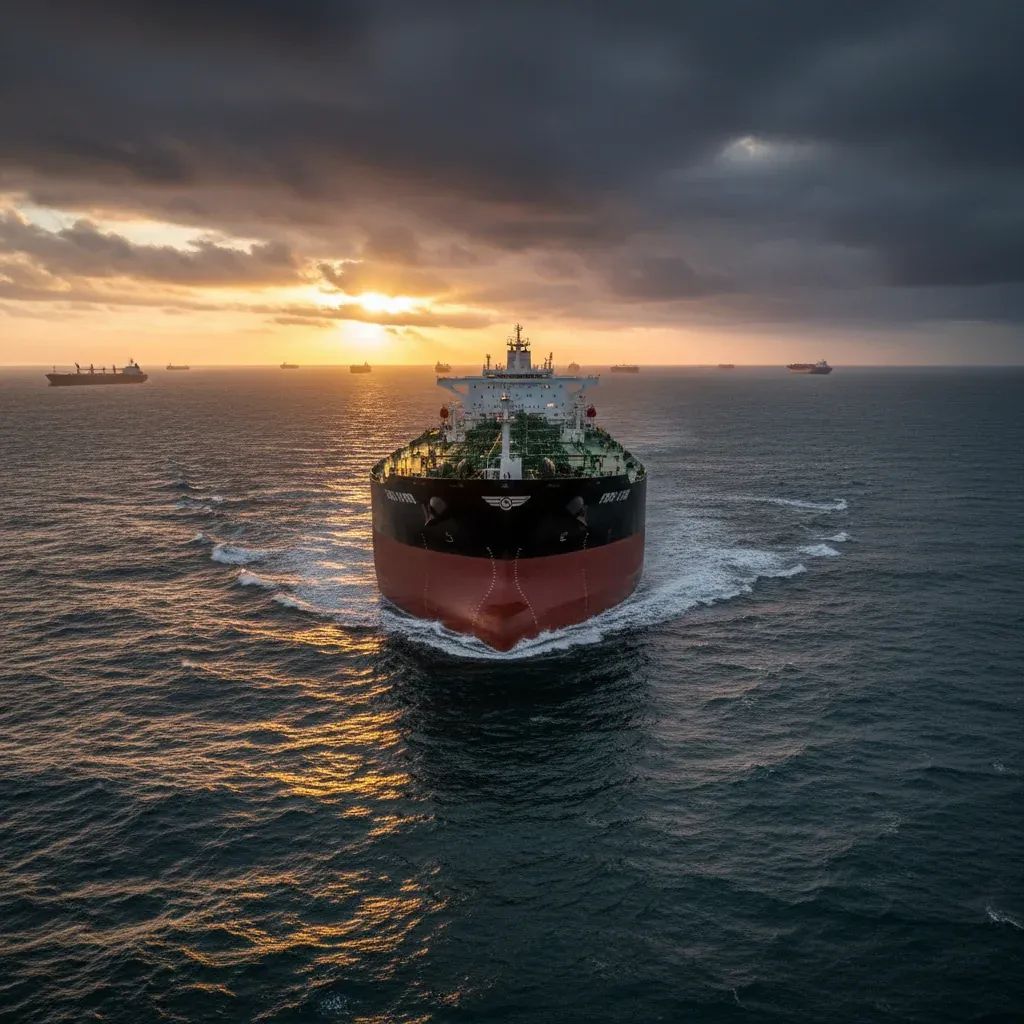
Japan's Nikkei 225 index dropped 1.67% to close at 52,478.88 points when the Tokyo Stock Exchange reopened after an extended holiday. The decline reflects broader weakness in global markets driven by escalating tensions in the Middle East and concerns over the Hormuz Strait, where disruptions have pushed crude oil prices above $100 per barrel.
What Triggered the Decline
The Tokyo sell-off mirrors weakness that rippled across Wall Street in the previous session, where major indices closed lower amid geopolitical uncertainty. US President Donald Trump has threatened Iranian energy infrastructure over obstruction of the Hormuz Strait, raising concerns about potential conflict escalation and energy supply disruptions. The narrow waterway typically handles a significant portion of global oil transit, making it a critical chokepoint for energy markets.
Currency Movement
The Japanese yen strengthened during the turmoil, reaching 159.70 against the US dollar and 183.80 against the euro. This reflects a typical pattern where investors shift into perceived safe-haven assets during periods of market stress and geopolitical tension.
Implications for Italian Investors
For residents and investors in Italy, this combination of market weakness and energy price pressures carries several implications:
• Oil price impact: Crude above $100 per barrel can eventually feed into higher fuel and energy costs for Italian households and businesses, affecting transportation and heating expenses.
• Portfolio exposure: Italian investors with holdings in Asian equities or global funds will see these positions affected by Tokyo's decline and broader Asian market volatility.
• Economic uncertainty: Higher energy costs, if sustained, could impact Italy's economic outlook, particularly for energy-intensive sectors and consumer spending.
Market Outlook
The near-term direction for Asian equities and crude oil prices depends heavily on developments in the Middle East and diplomatic efforts to ease tensions. Investors should monitor how the geopolitical situation evolves, as any further escalation could intensify market pressure, while de-escalation could help stabilize both equity and energy markets.


