
Ryanair, Europe's largest low-cost carrier, has confirmed its fuel suppliers can maintain deliveries through mid-to-late May, but warns that prolonged closure of the Strait of Hormuz could trigger supply disruptions at some European airports by early summer—a scenario that would force the airline to consider flight cancellations and fare hikes affecting travelers across the continent, including those flying to and from Italy.
Why This Matters
• Fuel hedged but not immune: Ryanair has locked in roughly 80% of its fuel needs through March 2027 at $67 per barrel, insulating it from immediate price shocks—but not from physical shortages.
• May-June vulnerability window: CEO Michael O'Leary estimates 10% to 25% of fuel supply could be at risk if the Iran conflict and Hormuz blockade persist into late spring.
• UK routes most exposed: The United Kingdom, a key Ryanair market, is among the most vulnerable in Europe due to heavy reliance on Middle Eastern crude, raising concerns for Italy-UK connections.
• Ticket prices likely to rise: If supply tightens or costs spike further, travelers should expect 5% to 10% fare increases starting this summer.
The Geopolitical Trigger
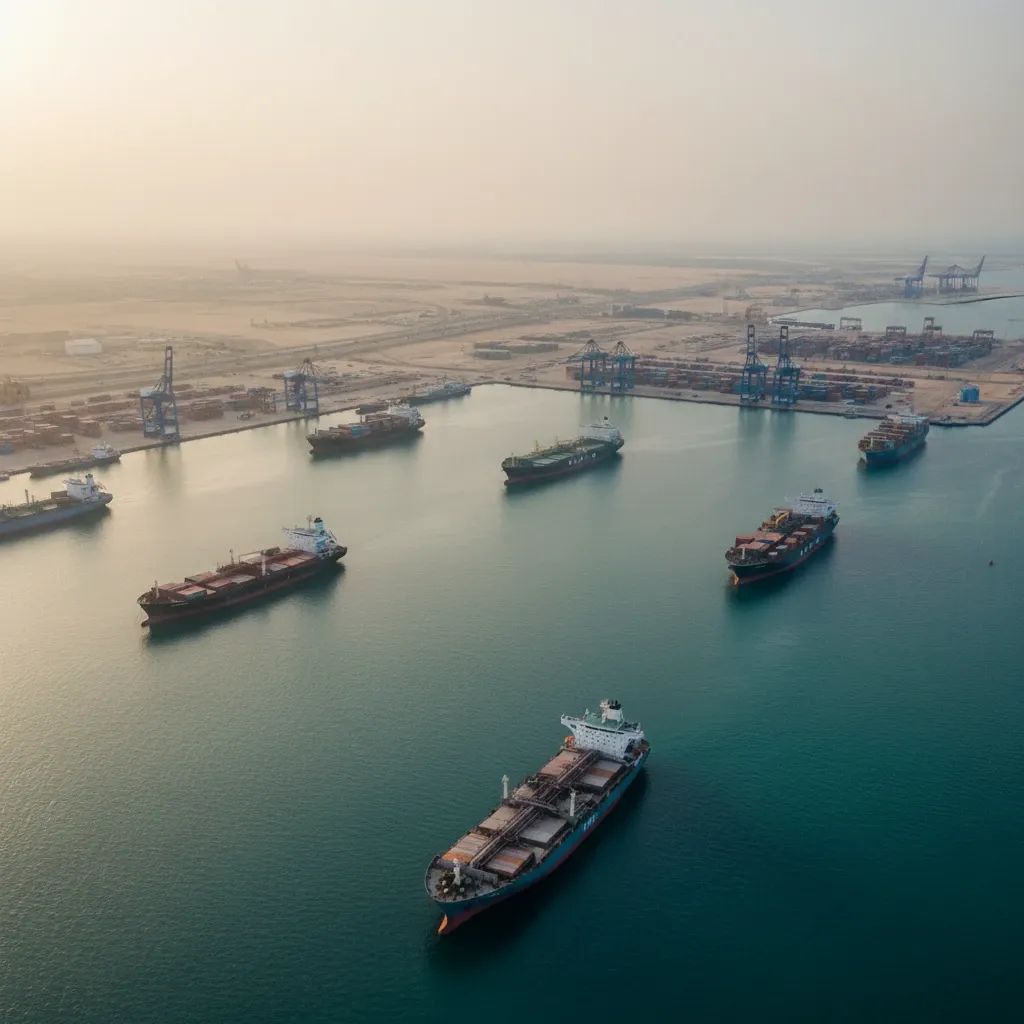
The warning comes as tensions in the Middle East have escalated significantly. The Strait of Hormuz, the narrow waterway through which roughly one-fifth of the world's oil and a significant share of liquefied natural gas pass daily, has become a critical chokepoint amid Iran-related hostilities and geopolitical tensions.
Reports indicate that Iran has effectively established a military checkpoint in the strategic waterway, disrupting normal oil flows. Analysts and industry experts estimate that supply disruptions in the region could reach significant volumes, with Brent crude surging well above $110 per barrel. Some analysts project it could rise further if the strait remains closed into summer.
For Italy, this is more than abstract geopolitics—it's a direct threat to connectivity, tourism, and business travel. The country's aviation sector depends on affordable jet fuel to sustain the millions of routes linking Italian cities to the rest of Europe and beyond.
Ryanair's Hedging Strategy and Its Limits
Ryanair has positioned itself more defensively than many rivals. The carrier secured approximately 80% of its fuel requirements through March 2027 at a fixed price of $67 per barrel—well below current spot prices. This hedge provides a cushion against volatility, with jet fuel prices in northwestern Europe reaching record highs of $1,900 per ton.
But hedging protects against price, not availability. O'Leary has made clear that if the conflict drags on and the Hormuz closure extends into May or June, the airline faces potential shortages at certain European hubs. Ryanair is now delaying further hedging activity for 2026, adopting a wait-and-see posture in hopes that oil prices will fall once hostilities ease.
The airline is monitoring the situation daily with all fuel suppliers across Europe and has begun contingency planning that includes possible flight cancellations focused on airports with the most constrained supply. This is a significant shift for a carrier that prides itself on operational reliability and network density.
What This Means for Italian Travelers
For residents and expats in Italy, the implications are threefold: availability, cost, and routes.
First, availability: If Ryanair or other carriers face fuel shortages, airports in northern Italy with fewer alternative suppliers—such as Bergamo (Orio al Serio), Treviso, or Bologna—could see reduced flight frequencies or temporary suspensions on select routes. Larger hubs like Rome Fiumicino and Milan Malpensa, which have more diversified fuel infrastructure, may fare better but are not immune.
Second, cost: Even without outright shortages, the spike in crude and jet fuel prices will pressure all carriers to raise fares. Ryanair has signaled it may increase ticket prices if the supply environment worsens. For Italians planning summer holidays or business trips, this translates to higher costs for travel within Europe and to popular destinations like the UK, Spain, and Greece.
Third, routes: The UK market is considered particularly vulnerable in Europe due to its dependence on Middle Eastern oil. Italy-UK routes—heavily used by students, workers, and tourists—are at heightened risk. If British airports experience fuel supply constraints, frequencies on routes like Rome-London or Milan-Manchester could face reductions.
Europe's Limited Alternatives
If the Strait of Hormuz remains blocked through late spring, European airlines and their suppliers would need to activate a patchwork of costly and logistically complex alternatives.
Tanker rerouting via the Cape of Good Hope around Africa would add weeks to delivery times and significantly raise shipping costs. Europe could also increase imports from non-Hormuz sources such as the United States, West Africa (Nigeria, Angola), the North Sea (UK, Norway), and Mediterranean producers (Algeria, Libya, Egypt). However, refining capacity is finite, and not all European refineries are optimized for large-scale jet fuel production.
Industry observers note that emergency measures such as strategic reserve releases could help stabilize markets in the short term, but these are limited solutions. Meanwhile, the production of sustainable aviation fuel (SAF)—touted as a long-term solution—remains negligible at less than 1% of total consumption, far too small to offset a crisis of this magnitude.
In practical terms, there is no quick substitute for Middle Eastern crude in the volumes Europe needs. If Hormuz stays shut into June, the aviation sector will face a hard choice: ration fuel, ground planes, or pass costs to consumers.
Broader Economic Fallout for Italy
The fuel crunch is part of a broader economic concern. Italian research firms and analysts have warned that a prolonged energy shock could create economic headwinds for Italy through 2028, with potential business revenue pressures and increased corporate financial stress.
Italy's economy is already sensitive to energy price swings given its dependence on imported hydrocarbons. The aviation industry, a critical enabler of tourism—one of Italy's largest economic sectors—would amplify the impact if flight capacity contracts or ticket prices surge. Reduced connectivity could deter foreign visitors and complicate trade and logistics.
The Italian Ministry of Infrastructure and Transport has not yet issued specific guidance, but the situation underscores Italy's vulnerability to external shocks and the urgency of diversifying energy sources.
The Waiting Game
For now, the key variable is how quickly the Iran conflict resolves. If hostilities wind down in the coming weeks, oil flows could resume, prices could stabilize, and the threat of fuel shortages would recede. But if the blockade persists into late spring, the aviation industry faces a reckoning.
Ryanair's cautious optimism—fuel guaranteed through mid-May, but uncertainty beyond—reflects the broader industry consensus: the next six to eight weeks are critical. Airlines are recalibrating schedules, governments are monitoring the situation, and analysts are preparing for what could be a significant aviation fuel supply challenge.
For travelers in Italy, the message is clear: book early, expect higher fares, and stay flexible. The next few months will test the resilience of Europe's air travel infrastructure—and the patience of its passengers.


