
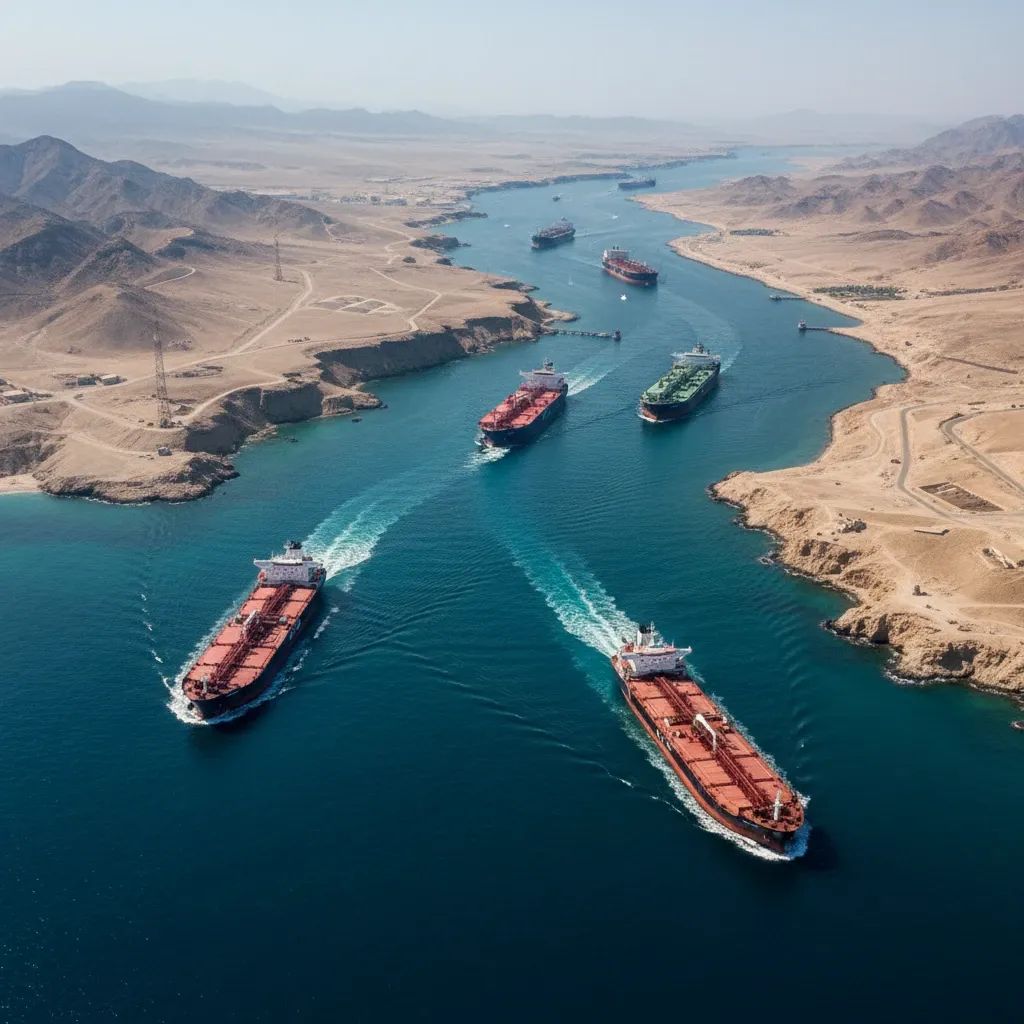
Pakistan has convened diplomatic talks in Islamabad with Turkey, Egypt, and Saudi Arabia to discuss proposals aimed at managing the Strait of Hormuz, a critical global oil transit route.
What the Talks Cover
According to reporting, the discussions centered on practical mechanisms to address maritime traffic through the 33-kilometer-wide waterway separating Iran from Oman. The proposals under consideration include:
• Suez Canal-style toll structure: An Egyptian-backed plan would institute a fee system modeled on the tolls charged at Suez, creating a predictable cost model for shippers.
• Trilateral consortium: A framework in which Turkey, Cairo, and Riyadh would collectively oversee petroleum flows through the strait. This arrangement would require cooperation from Iran, which controls the northern shore, and would need endorsement from the United States.
Diplomatic Process
Pakistan forwarded multiple proposals to the White House before the Islamabad summit, signaling coordination between the mediators and both the United States and Iran. Preliminary soundings with American and Iranian officials have already taken place, though no formal agreement has been announced.
Pakistan's role as convener reflects its strategic position—the country maintains workable relations with both Iran and Saudi Arabia, making it a credible neutral host for these discussions.
Why This Matters for Italy
The Strait of Hormuz is one of the world's most critical oil transit chokepoints. Any disruption to maritime traffic through the strait would have implications for European energy security, including Italy, which depends on stable oil supplies from the Middle East.
The proposed consortium model would represent a significant diplomatic effort to prevent disruptions and establish a predictable framework for transit. Whether Iran and the United States agree to such an arrangement remains to be seen.
Next Steps
No timeline has been announced for follow-up discussions, and critical details remain unresolved, including fee structures, dispute resolution mechanisms, and enforcement protocols. Both Iran and the United States would need to publicly endorse any consortium arrangement before it could move forward.
The Islamabad talks represent the most concrete diplomatic effort to address concerns about Hormuz transit. Whether the proposals gain traction will depend on the willingness of all parties to prioritize economic pragmatism over geopolitical tensions—developments that Italy and other energy-dependent nations are watching closely.


