
Italy's state investment vehicle, Cassa Depositi e Prestiti (CDP), has approved €2.3 billion in new financing operations targeting domestic businesses, strategic infrastructure, and international development projects—a move designed to inject liquidity into the economy and extend Rome's geopolitical reach into Africa.
The Board of Directors signed off on the package, which continues the trajectory set by CDP's 2025-2027 strategic plan. That roadmap commits €81 billion in direct investments, with the potential to mobilize €170 billion in total capital through public-private partnerships and third-party financing.
Why This Matters
• Southern Italy focus: A significant share of funding will flow to small and medium-sized enterprises (SMEs) in the Mezzogiorno, aiming to close the persistent gap between the industrial North and the less developed South.
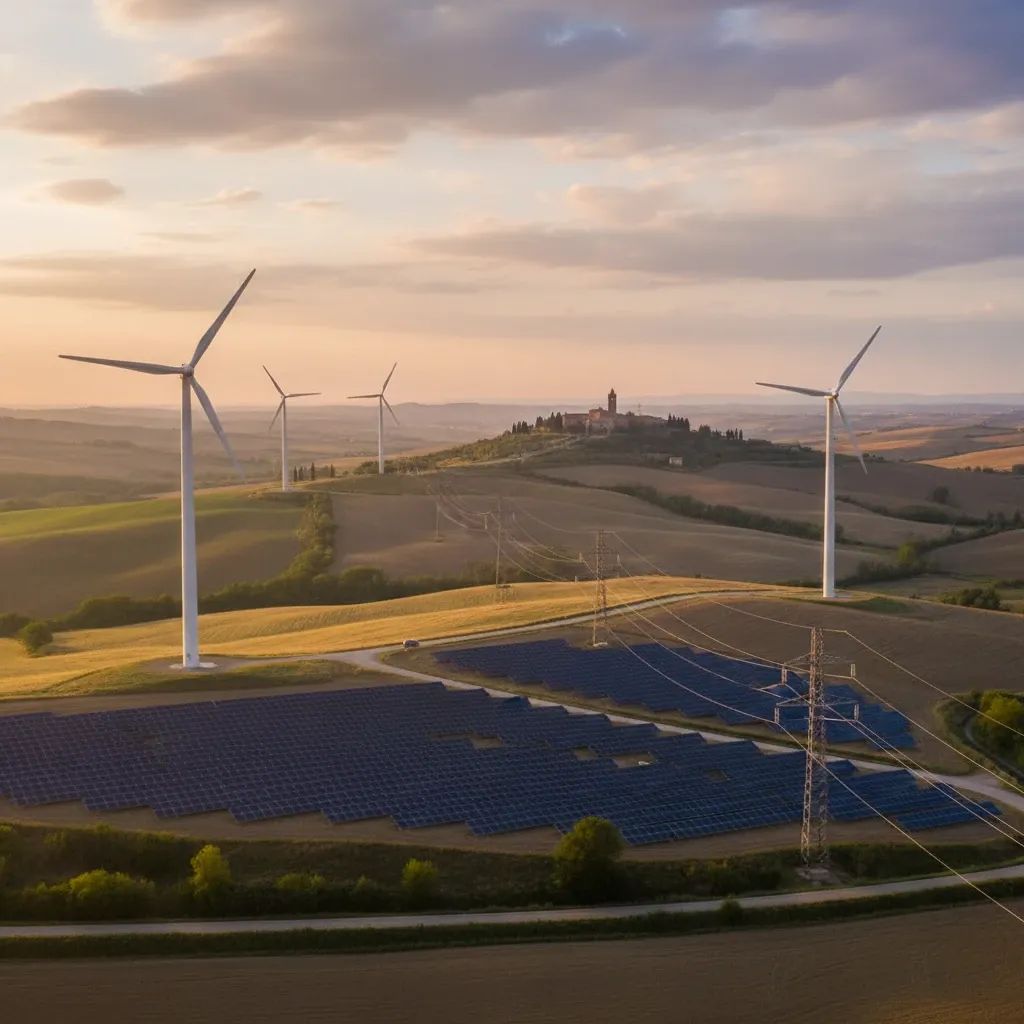
• Energy grid overhaul: New investments will accelerate modernization of Italy's electricity and gas networks, critical for integrating renewable energy and meeting EU decarbonization targets.
• Africa strategy: Financing extends to irrigation and agricultural projects in North and East Africa, part of the government's Piano Mattei to position Italy as Europe's gateway for African investment.
What Southern Businesses Can Expect
CDP has expanded direct lending eligibility to smaller enterprises, reducing barriers for small and medium-sized manufacturers, agri-food producers, and logistics operators—particularly those in the Southern regions—to access financing for plant expansion, equipment upgrades, and working capital.
The institution is working to improve credit approval processes and has partnered with national financial players to expand available financing options. Loan terms have been extended beyond typical commercial bank offerings, and interest rates can incorporate favorable conditions for projects that meet environmental, social, and governance (ESG) metrics or research and innovation criteria.
Energy Infrastructure in Focus
A portion of the approved funds will support partnerships with domestic utilities and grid operators to modernize Italy's electricity and gas infrastructure, including smart metering systems and high-voltage interconnections needed for renewable energy integration. Italy's National Energy and Climate Plan requires the electricity grid to handle a significantly higher share of renewables by 2030, necessitating substantial capital expenditure.
CDP's role involves risk-sharing arrangements with private infrastructure funds and institutional investors, effectively lowering the cost of capital for operators willing to deploy technology that reduces transmission losses and enhances grid resilience. The financing approach includes co-funding arrangements with national financial institutions.
The Mattei Plan in Practice
The international cooperation component channels resources into irrigation systems and agricultural supply chains in North and East Africa. These initiatives sit within the Piano Mattei, a government framework adopted in 2024 to deepen economic ties with Africa and counter Chinese infrastructure lending on the continent.
The objective is dual-purpose: support agricultural development in regions facing climate challenges and create demand for Italian engineering services, agricultural equipment, and consultancy. CDP combines capital deployment with technical assistance to support these projects.
Impact on Taxpayers and Investors
CDP operates with a hybrid mandate: it functions as a development bank but must maintain financial equilibrium, meaning it cannot sustain losses indefinitely. The institution funds itself through postal savings accounts (Libretti Postali) and bond issuance, backed by the Italian Treasury's implicit guarantee.
For households, the principal implication is that postal savings are directed toward long-term lending for industrial policy. Savers effectively support development initiatives, though the government argues the trade-off backs employment and infrastructure that benefit the broader economy.
For businesses, the expansion of direct lending could reduce reliance on commercial banks, which have historically charged higher spreads in Southern Italy due to perceived credit risk. CDP's broader engagement introduces additional financing options and should help increase competition in the market.
Regulatory and Competitive Considerations
CDP's intensified market presence has drawn scrutiny from the European Commission's State Aid division, which examines whether subsidized lending distorts competition within the single market. So far, Brussels has cleared CDP programs on the grounds that they target market failures—regions or sectors where private capital is scarce—and incorporate ESG or innovation criteria that align with EU policy goals.
The institution must also navigate anti-money laundering compliance when financing flows to African partners, given regulatory considerations in various markets. CDP has committed to rigorous due diligence and monitoring appropriate to its international operations.
Outlook Through 2027
The €2.3 billion approval represents part of CDP's three-year deployment target of €81 billion, indicating a continuing cadence of investment approvals aligned with the strategic plan. CDP is maintaining an active investment pace to support Italian economic development and strategic objectives.
For businesses seeking CDP funding, the practical takeaway is straightforward: applications that demonstrate growth objectives with measurable outcomes—particularly those that create jobs in the Mezzogiorno or support supply-chain development—stand a strong probability of receiving favorable consideration. The institution's focus on ESG and innovation criteria shapes project selection priorities.


