
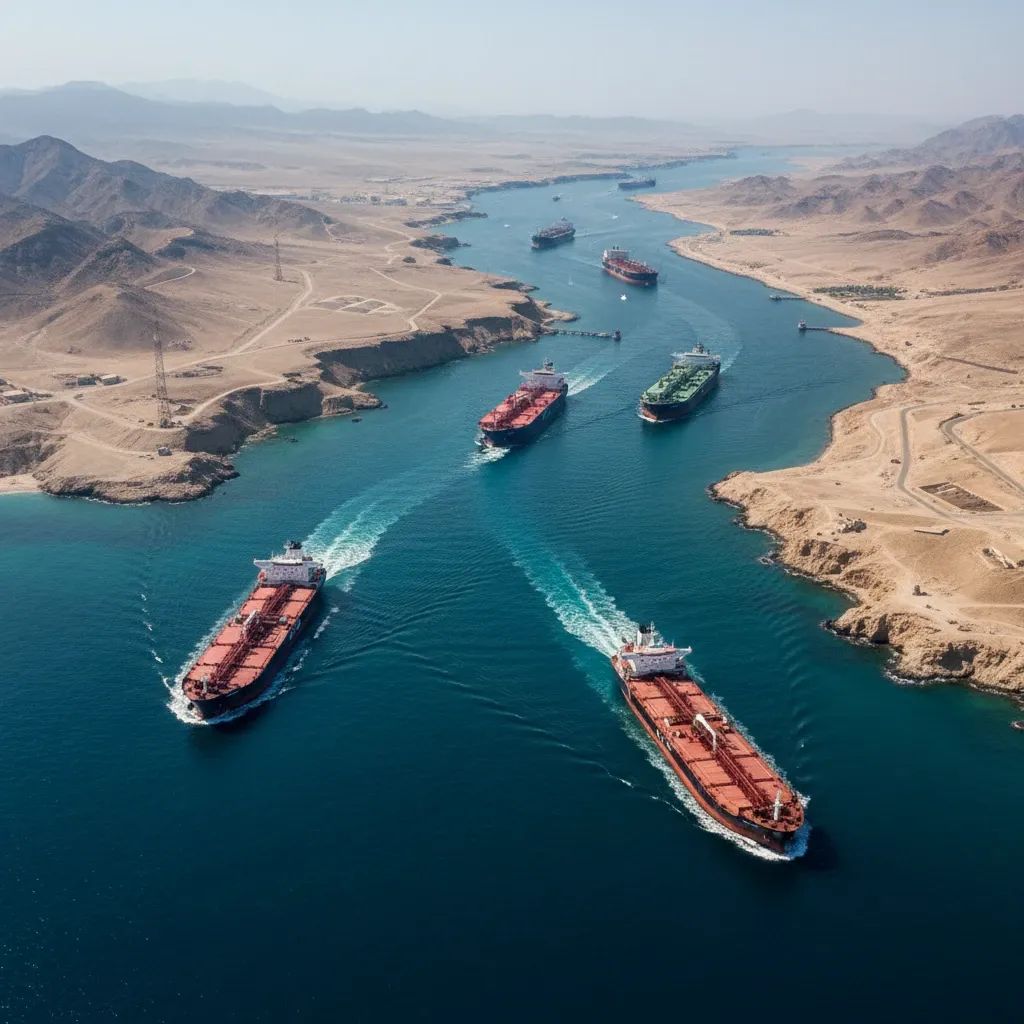
Strait of Hormuz to Reopen: What It Means for Italy
U.S. Energy Secretary Chris Wright announced that shipping through the Strait of Hormuz is expected to resume "relatively soon," signaling a potential easing of a major disruption to global energy flows. Wright pointed to a large tanker successfully transiting the strait within the last 24 hours as evidence that the chokepoint—responsible for roughly 20% of the world's seaborne oil trade—may be beginning to reopen after weeks of tension.
The Broader Context
The Strait of Hormuz, a narrow waterway separating Iran from the Arabian Peninsula, has become a critical chokepoint for global energy supplies. The recent disruptions have kept hundreds of ships anchored or rerouted, paralyzing approximately 20 million barrels per day of crude oil shipments and constraining liquefied natural gas (LNG) exports.
What This Means for Italy
For residents in Italy, this situation carries direct consequences. The country relies heavily on natural gas for electricity generation, much of which arrives as LNG from Qatar through this same strait. Even a partial reopening will take time to translate into stable energy prices at the pump and on utility bills.
Wright's statement also addressed China's vulnerable position, noting that Beijing is on the verge of losing the second of its three major petroleum suppliers due to the crisis. He characterized recent price spikes as a "small price to pay" for lower long-term costs if shipping normalizes.
What Comes Next
While the single tanker crossing is a positive signal, shipping companies will need reassurance about safety and insurance premiums before normalizing traffic volumes. The full implications for Italian energy costs will depend on how quickly the strait stabilizes and how regional powers guarantee safe passage for vessels.


