
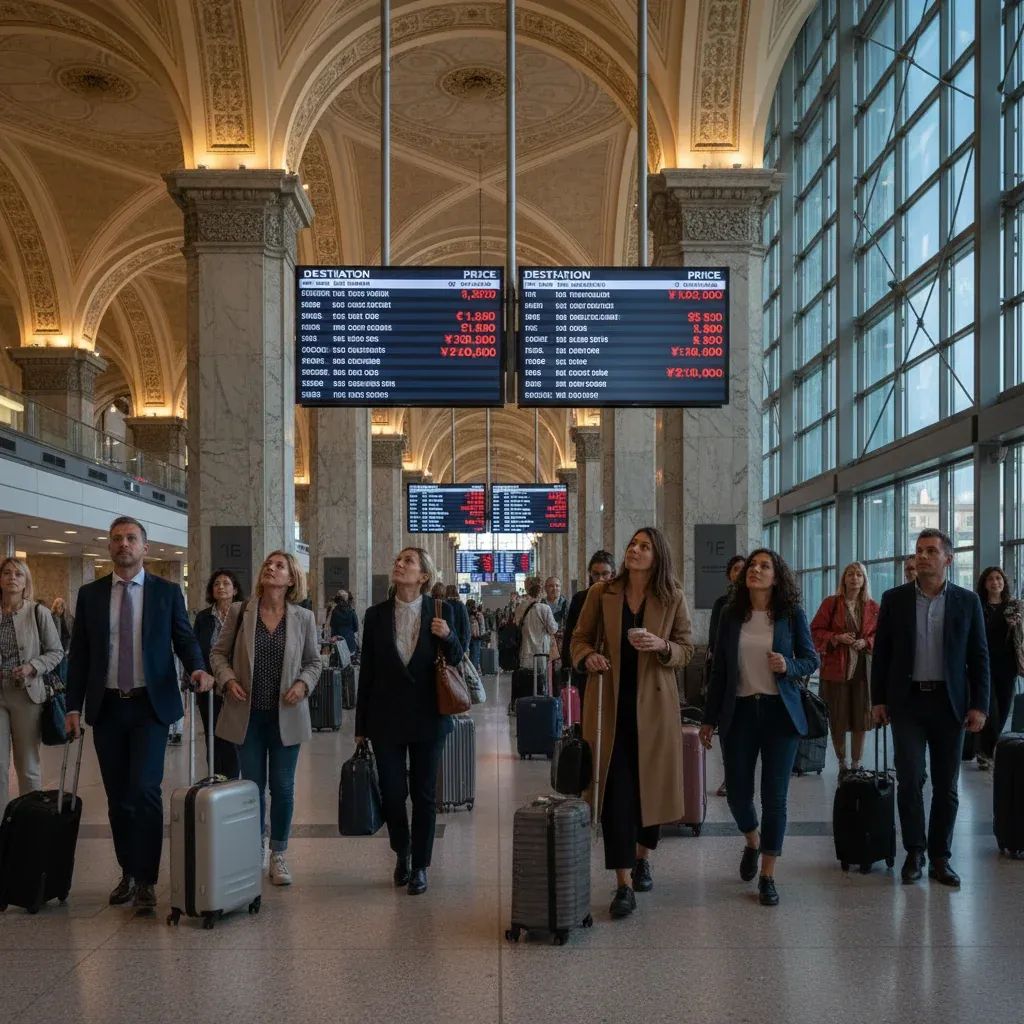
Domestic flight prices within Italy have surged by an average of 13.6% for the Easter 2026 holiday period, with some routes showing increases of up to 60% compared to the same travel dates in Easter 2025, according to analysis released this week by Assoutenti, the Italian consumer protection association. The analysis covers bookings for departures Friday, April 3, 2026, returning Tuesday, April 7—timing critical for Italian families planning Easter reunions during the school holiday window.
The spike in airfare costs stems primarily from the ongoing Middle East crisis, which has disrupted flight paths and driven up operational expenses for carriers serving the Italian market. For travelers planning to visit family or vacation destinations during the Easter period, the price jump represents a significant strain on holiday budgets. A family of four previously spending approximately €600 round-trip on Milano Malpensa–Brindisi flights for Easter 2025 now faces a bill approaching €960 for identical 2026 travel—a tangible €360 increase that impacts household budgets across the country.
Why This Matters
• Northern Italy to Puglia routes hardest hit: The Milano Malpensa–Brindisi connection saw a 60% price increase, with tickets climbing from roughly €150 per person in 2025 to approximately €240 in 2026.
• Booking window closing fast: Prices analyzed cover departures from Friday, April 3, returning Tuesday, April 7, 2026—advance purchasing time for families is narrowing.
• Regional disparities are stark: While some routes increased moderately, connections to southern destinations like Brindisi, Catania, and Palermo bear the steepest surcharges.
• Middle East instability is the culprit: Rerouted flights and fuel cost increases are passing directly to consumers.
The Routes Feeling the Squeeze
Assoutenti's pricing study focused on domestic Italian connections during the Easter period, comparing 2026 fares against identical travel patterns from Easter 2025—specifically, outbound flights on Friday with returns the following Tuesday.
The Milano Malpensa–Brindisi route leads the price escalation, with tickets now costing 60% more than last year's Easter journey, rising from approximately €150 to €240 per passenger. This particular connection serves travelers heading from Lombardy to Puglia's Adriatic coast, a popular route for both family visits and early-season beach holidays.
The Genova–Catania link follows closely behind with a 36% hike, while the Venezia–Brindisi route has climbed 35%. Travelers departing from Torino bound for Brindisi face a 28% premium, and those flying Milano Linate–Cagliari are paying 25% more than last Easter—typically adding €30-50 per person to round-trip costs.
Mid-tier increases affect other popular holiday corridors: Bologna–Palermo tickets rose 23%, and the Venezia–Catania connection is up 22%. Even routes with smaller percentage increases still translate to dozens of euros added to round-trip costs for families traveling together.
What This Means for Residents
For Italian households, the Easter travel season has become noticeably more expensive. The Middle East crisis has forced airlines to reroute flights around conflict zones, adding flight time, fuel consumption, and operational complexity. While carriers have not publicly itemized cost breakdowns, industry analysts note that longer flight paths combined with elevated insurance premiums and volatile fuel markets create upward pressure on ticket prices.
Italy's geographic position in the Mediterranean makes it particularly sensitive to disruptions in Middle Eastern airspace. Flights connecting Italian cities with destinations further east, or those using flight corridors that previously transited over now-restricted zones, bear the brunt of rerouting costs.
Practical Alternatives and Booking Strategies
For residents seeking relief from elevated Easter airfares, several options warrant consideration. Shifting travel dates by even 2-3 days outside peak Easter weekend periods can yield 15-20% savings, though this may conflict with school schedules for families. Alternative airports offer limited relief—regional airports near major hubs like Malpensa or Fiumicino rarely undercut prices significantly during school holidays. Train alternatives between northern and southern Italy typically require 10-14 hours of travel time and, during peak Easter periods, often cost €100-150 per person—comparable to low-season flight fares but involving substantially more travel time. For budget-conscious families, consolidating Easter plans to alternate years or choosing destinations accessible by shorter flights (such as central Italian destinations) may represent the most practical immediate strategy.
Beyond the Numbers
The 13.6% average increase masks considerable variation across the Italian domestic network. Routes to southern destinations—especially Puglia and Sicily—show disproportionate price spikes, likely reflecting both higher baseline demand during Easter and the operational challenges of serving airports with fewer alternative flight options.
Assoutenti's analysis underscores a broader trend: external geopolitical shocks increasingly translate into direct household expenses for ordinary Italians. The consumer group has not yet called for regulatory intervention, but the data adds to mounting evidence that airline pricing during peak holiday periods lacks transparency and competitive pressure.
Travelers still hoping to book Easter 2026 flights may find limited relief. Historical patterns suggest that domestic airfares within Italy rarely decrease as departure dates approach, particularly during school holiday windows when demand remains inelastic.
The Broader Context
This year's Easter price surge follows a period of relative stability in Italian domestic aviation. The 2025 Easter season saw pricing that largely tracked pre-pandemic norms, with moderate premiums for peak travel dates but nothing approaching the current increases.
The Middle East crisis—which intensified in recent months—has reshaped global aviation logistics. European carriers, including those operating within Italy, have been forced to avoid airspace over conflict zones, adding flight times and fuel costs. Insurance premiums for routes near affected regions have also climbed, costs that airlines typically pass through to ticket buyers.
For Italian consumers, the situation presents few immediate alternatives. Train travel between northern and southern Italy remains lengthy and often costs comparable amounts during peak periods, particularly for families. Bus services exist but add significant travel time. The result is a captive market where airlines face limited competitive pressure to moderate holiday pricing.
Looking Ahead
The Italy Civil Aviation Authority has not commented on the pricing trends identified by Assoutenti, and no formal investigation into holiday airfare practices has been announced. Consumer advocates may push for greater pricing transparency or regulatory oversight if the pattern persists into summer holiday periods.
For now, Italian households planning Easter travel face a straightforward calculation: pay significantly more for flights, adjust travel dates to avoid peak periods, or reconsider holiday plans altogether. The 60% premium on some routes transforms what was once an affordable long-weekend trip into a substantial household expense, potentially reshaping how families approach seasonal travel in 2026.


