
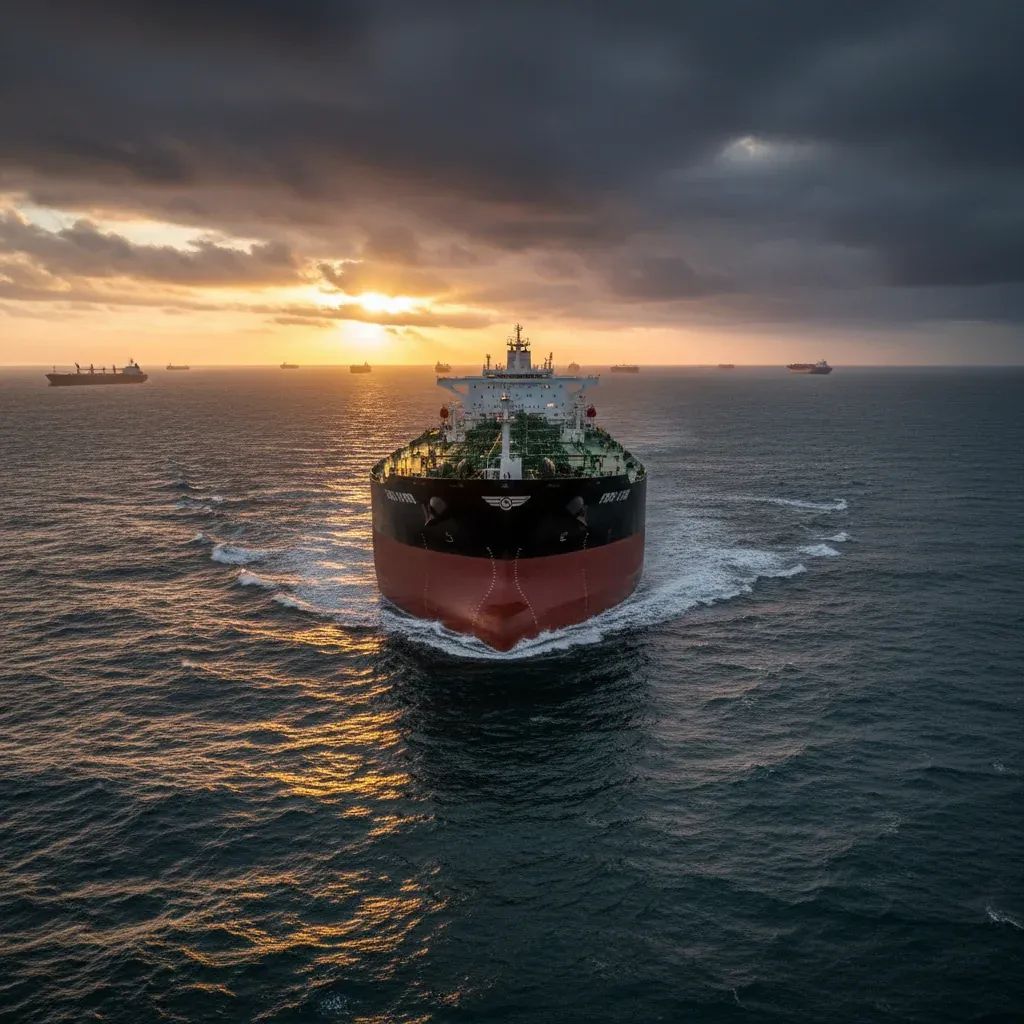
Asian stock markets have surged sharply on prospects that Washington and Tehran may be moving toward a diplomatic breakthrough that could reopen the critical Strait of Hormuz—a development that would reshape energy prices and investment sentiment across Europe.
Why This Matters for Italy:
• Energy relief potential: A US-Iran accord would stabilize oil and gas prices, easing inflation pressures in Italy and the Eurozone, where households and businesses have felt the impact of energy-driven costs.
• Market momentum: Tokyo finished up 1.43%, Seoul soared 2.74%, and Hong Kong rallied 2.5%, reflecting investor optimism about de-escalation and the potential resumption of maritime trade through the Persian Gulf.
• European outlook: Italian investors should watch closely as key PMI data for France, Germany, and the Eurozone arrive later, offering clues on whether Europe's manufacturing and services sectors can capitalize on reduced geopolitical risk.
The Strait of Hormuz: Critical for Global Energy
The Strait of Hormuz, a narrow waterway between the Persian Gulf and the Arabian Sea, is essential for roughly 20% of the world's oil supply and 20% of global liquefied natural gas (LNG) trade. For Italy and the wider Eurozone—heavily reliant on imported energy—any disruption to this route has meant volatile fuel costs, inflation concerns, and supply chain pressures.
Any interruption in shipping through the Strait affects prices for fertilizers, petrochemicals, and other materials critical to Italian agriculture, construction, and manufacturing sectors. The Italian economy, already navigating elevated borrowing costs and modest growth, remains exposed to energy shocks from Middle Eastern geopolitical tensions.
Market Rally Reflects Diplomatic Hopes
The Japanese yen strengthened against the dollar to 158.60 and held steady against the euro at 183.80, reflecting cautious optimism about reduced geopolitical risk. The combined rally across Tokyo's Nikkei, Hong Kong (+2.5%), Shanghai (+1.78%), Shenzhen (+2.17%), Seoul (+2.74%), and Mumbai (+1.56%) signals that investors are pricing in hopes for a diplomatic settlement.
Natural gas futures in Amsterdam opened at €57.29 per megawatt-hour on 24 March as traders weighed the implications of potential diplomatic progress. The prospect of stabilized energy supplies has driven this positive market sentiment.
What a Deal Would Mean for Italy and the Eurozone
For residents and businesses in Italy, the implications of a successful US-Iran accord would be significant:
• Lower fuel costs: Stabilized oil and gas prices would reduce costs at the pump and for heating, easing pressure on household budgets.
• Inflation relief: The European Central Bank (ECB) faces headwinds from energy-driven inflation. A de-escalation in the Middle East would give the ECB more room to cut interest rates, potentially lowering mortgage and business loan costs across Italy.
• Supply chain normalization: Italian manufacturers, particularly in automotive, textiles, and machinery, depend on stable logistics and affordable inputs. The resumption of shipping through the Strait of Hormuz would reduce delays and freight premiums, improving competitiveness.
• Investment climate: Italian equity markets have been affected by geopolitical volatility. A credible diplomatic resolution would likely lift sentiment, supporting the FTSE MIB and encouraging capital inflows.
Road Ahead: Key Data Points to Watch
Markets now await PMI (Purchasing Managers' Index) data for France, Germany, the Eurozone, the United Kingdom, and the United States. These figures will reveal whether manufacturing and services activity is holding up amid geopolitical uncertainty or beginning to contract under the weight of energy and supply pressures.
Analysts note that optimism over a US-Iran agreement remains speculative at this stage. The path to any formal negotiation involves complex discussions on multiple fronts, and previous diplomatic efforts have faced significant obstacles. The current situation remains fluid, with energy prices elevated and the region's stability uncertain.
Bottom Line for Italian Investors
For those in Italy tracking global markets and their own portfolios, the message is clear: the prospect of a US-Iran accord has injected optimism into risk assets, but outcomes remain uncertain. The rally in Asian stocks reflects hope, not certainty. Energy prices remain elevated, and the Eurozone's economic trajectory hinges on whether diplomacy can deliver tangible results in the days ahead.
Watch the PMI data closely. Watch oil and gas futures. Monitor developments on any diplomatic progress. The difference between a sustained market recovery and another round of volatility may depend on whether prospects for an agreement materialize into concrete results—or whether the situation remains unresolved, keeping geopolitical risk premiums elevated.


