The United States Treasury Department has concluded a pivotal G20 Finance gathering in North Carolina that exposed deepening fractures over how to manage China's massive trade imbalance and Iran's financial networks, setting the stage for contentious economic diplomacy through year-end. The summit in Asheville, held August 29-September 1 with finance ministers and central bank governors meeting August 31-September 1, marked the first face-to-face meeting of G20 finance chiefs since the Trump administration returned—and ended without joint commitments on trade barriers or sanctions enforcement, signaling that the world's largest economies remain unable to coordinate on the most pressing structural challenges facing global markets.
Why This Matters
• Tariff uncertainty persists: The U.S. floated a fresh 7.5% "overcapacity tariff" on Chinese goods, but no G20 consensus emerged on coordinated trade action—leaving exporters and importers in limbo.
• Sanctions compliance is now a dollar-access issue: Treasury Secretary Scott Bessent explicitly tied continued use of U.S. clearing systems to adherence to Iran sanctions, a move that could reshape correspondent banking relationships for Italian and European institutions.
• Russian re-engagement rattles Europe: Finance Minister Anton Siluanov attended in person for the first time since 2022, drawing a boycott of the official photograph by European delegations and underscoring the bloc's isolation on sanctions diplomacy.
Trade Imbalances and the China Question
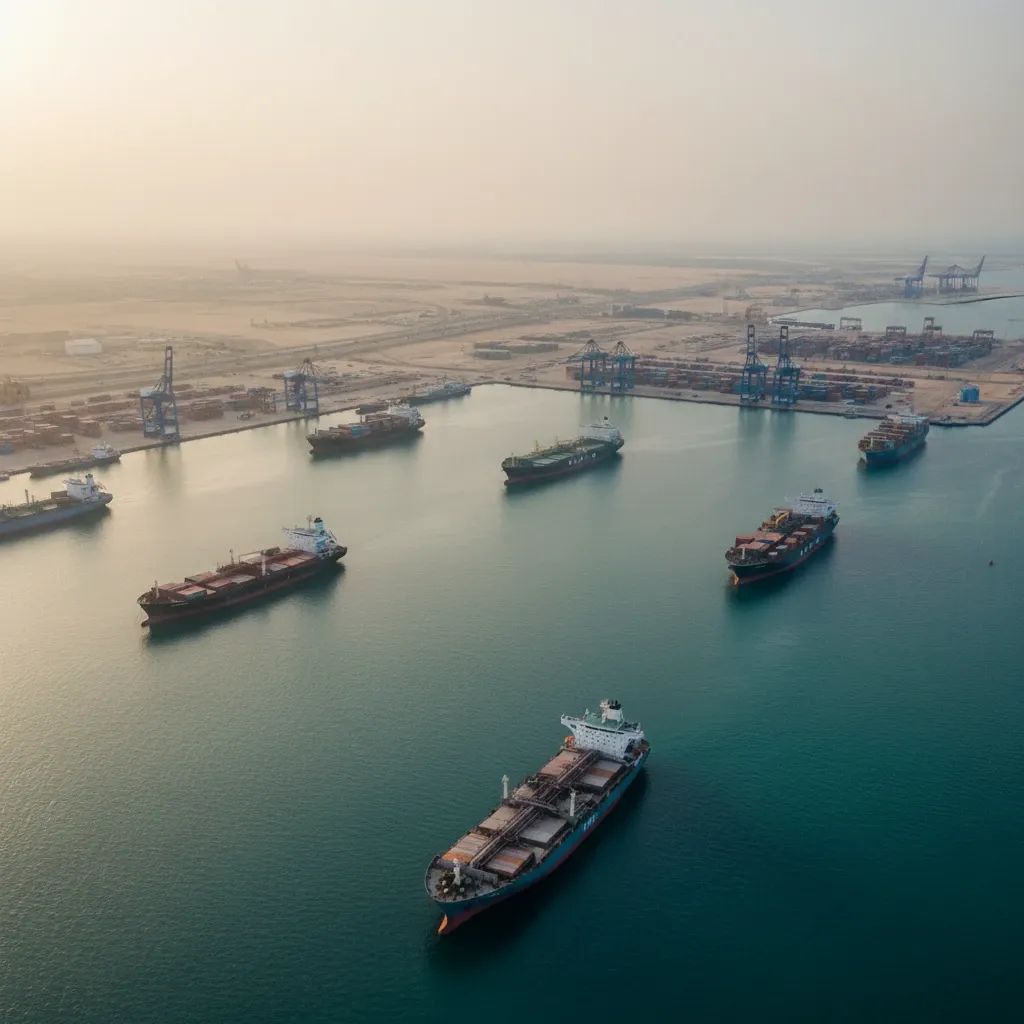
At the heart of the Asheville agenda was Beijing's $1.2 trillion trade surplus, which U.S. Treasury Secretary Scott Bessent described as "unsustainable for the world." Bessent urged G20 partners to reassess their trade terms with China, arguing that the country's export-driven growth model—designed to offset weak domestic consumption—distorts global supply chains and undermines manufacturing competitiveness elsewhere. His pitch found a mixed reception. Japan's Finance Minister Satsuki Katayama emphasized supply-chain diversification and warned against arbitrary export restrictions on critical minerals, a veiled reference to Beijing's dominant position in rare-earth processing. European finance officials listened but offered no concrete alignment, wary of antagonizing a major trading partner while already grappling with sluggish growth at home.
The Trump administration has been escalating tariffs throughout 2026, including additional Section 301 levies in July on goods from multiple economies, including China. Now the administration is weighing a further 7.5% "overcapacity tariff" that would expand duties on Chinese imports. Beijing has threatened countermeasures, accusing Washington of weaponizing trade policy to disadvantage foreign competitors. The impasse leaves Italian exporters and logistics firms navigating a fluid tariff landscape with little clarity on final duty rates or retaliatory actions.
Iran Sanctions and U.S. Pressure Campaign
Parallel to the China debate, Treasury Secretary Bessent pushed for enhanced international compliance with U.S. sanctions on Iran. Bessent explicitly linked continued access to U.S. dollar-denominated clearing systems to compliance with Iran sanctions—a significant escalation that effectively requires European banks and payment processors to strengthen screening of Iranian counterparties or face restrictions on Federal Reserve facilities. The move follows renewed military tensions in the region, which provided political momentum for tougher enforcement.
European Union finance ministers issued a joint statement welcoming Washington's pressure for increased Iran sanctions compliance and pledging readiness to adopt additional measures. Nine non-EU European states—including Albania, Bosnia and Herzegovina, Iceland, Moldova, Montenegro, North Macedonia, Norway, and Ukraine—have aligned with the bloc's Iran sanctions packages, which now cover human-rights violations, nuclear-proliferation risks, and military support for Russia's war in Ukraine. For Italian financial institutions with correspondent banking relationships in the Gulf or Central Asia, the new compliance expectations mean heightened due diligence on transaction screening and beneficiary verification, with the risk of being cut off from U.S. clearing if violations are detected.
What This Means for Investors and Businesses
The Asheville summit's inability to forge consensus on trade and sanctions leaves Italian firms facing a fragmented regulatory environment. Companies that import intermediate goods from China—particularly in machinery, electronics, and textiles—should prepare for potential tariff increases and consider diversifying sourcing to ASEAN or Eastern European suppliers. The 7.5% overcapacity tariff, if enacted, would apply broadly across industrial categories and could erode margins for distributors and manufacturers relying on Chinese components.
On the financial side, Italian banks with exposure to Iranian entities or trade finance must reassess counterparty risk in light of the enhanced U.S. sanctions pressure. Treasury's explicit linkage of sanctions compliance to dollar-clearing privileges means that exposure—whether direct or through transactions routed via intermediaries—could trigger secondary sanctions. Institutions should audit correspondent relationships, enhance transaction-monitoring systems, and consult legal counsel on the scope of U.S. extraterritorial enforcement.
The digital-assets agenda that featured prominently at Asheville—focused on cross-border payments efficiency, fraud prevention, and regulatory modernization—represents an area of potential collaboration. The G20 endorsed a framework for advancing digital assets, signaling movement toward regulatory harmonization that could improve compliance frameworks for blockchain-based remittance and settlement platforms operating across multiple jurisdictions.
Russian Attendance and the European Boycott
Perhaps the most visible source of tension in Asheville was the appearance of Russian Finance Minister Anton Siluanov, his first in-person G20 attendance since 2022. European delegations refused to participate in the traditional group photograph as a protest. Siluanov withdrew from the photo op, but he did hold bilateral meetings with U.S. Treasury officials. The incident underscores the divergence between Washington's engagement strategy and Europe's stricter approach on Russia sanctions. For Italy, which has historically maintained commercial ties with Moscow in energy and luxury goods, the resumption of Russian participation in multilateral forums complicates efforts to present a united Western front on sanctions enforcement. Italian exporters should assume that any sanctions relief remains contingent on a negotiated settlement in Ukraine, and that European compliance expectations will remain central to policy coordination.
Debt, Digital Assets, and the Road to Miami
Beyond the geopolitical friction, the Asheville agenda covered technical issues that will shape financial regulation into 2027. Finance ministers discussed mechanisms for debt transparency and restructuring, aiming to streamline sovereign workouts and improve creditor coordination. The push for enhanced disclosure is particularly relevant for Italian pension funds and asset managers with emerging-market bond exposure, as new reporting standards could affect secondary-market liquidity and valuation.
The G20 also advanced work on cross-border payments modernization and financial literacy, areas where Italy's traditionally cash-heavy economy and fragmented digital-payments landscape could benefit from international best practices. Central bank governors exchanged views on the implications of structural economic shifts—including aging demographics, energy transitions, and deglobalization—for monetary policy, a discussion that will feed into European Central Bank rate-setting as inflation dynamics evolve.
The U.S. G20 presidency will conclude with a Leaders' Summit in Miami on December 14-15, where heads of state are expected to address the unresolved trade and sanctions issues that dominated Asheville. Additional ministerial meetings are scheduled for September in North Carolina (innovation) and Texas (energy), and a foreign ministers' session in Atlanta in October. Italian officials should track these forums closely, as decisions on tariff architecture, sanctions scope, and digital-asset regulation will flow from the technical groundwork laid by finance ministries over the coming months.
The Bottom Line
The Asheville G20 Finance meeting revealed that the world's major economies are pursuing divergent approaches on trade and sanctions rather than building unified multilateral frameworks. For Italy—embedded in European supply chains, reliant on dollar-clearing infrastructure, and exposed to both Chinese imports and Middle Eastern energy flows—this shift means navigating conflicting regulatory pressures and heightened compliance risk. Businesses should prepare for tariff changes, banks must strengthen sanctions controls, and policymakers face the challenge of balancing transatlantic coordination with commercial considerations as the U.S. pursues more aggressive economic policies.