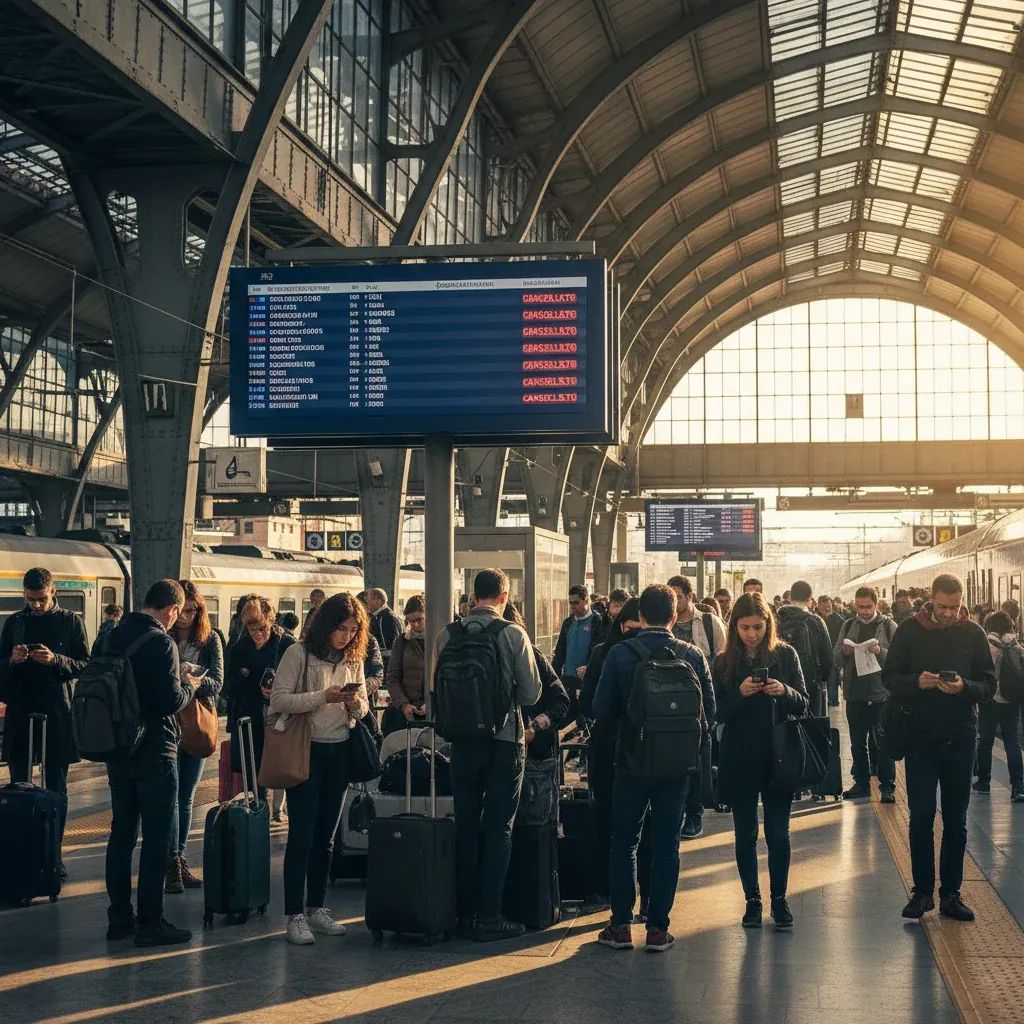
The Italy tourism sector is witnessing a significant shift in seasonal patterns, with 10 million Italians expected to travel in September 2026—a phenomenon driven largely by the intense heat waves that made traditional summer months uncomfortable across Europe. This redistribution of holiday demand represents both an economic opportunity and an environmental challenge for a country already grappling with overtourism.
Why This Matters
• Budget impact: Average spending reaches €760 per person for September trips, injecting crucial revenue into an extended tourism season
• Booking window: 45% of travelers reserved their September getaways 2-3 months in advance, with another 38% booking over 90 days out
• Climate adaptation: Extreme temperatures are fundamentally reshaping when and where Italians choose to vacation, with lasting implications for the tourism calendar
Planning Implications for Residents
For expats and residents living in Italy, understanding this September surge has practical value. It offers an opportunity to plan personal travel during shoulder-season windows while anticipating service pressures in major cities. The extended tourism season may create employment opportunities in the hospitality sector, while also extending the period when tourist-heavy areas experience congestion. Knowing these patterns helps residents navigate daily life and capitalize on business prospects.
Escaping the Heat: September Becomes the New August
The intense summer of 2026 has influenced Italian travel behavior. After experiencing significant heat waves, residents are increasingly viewing September as an attractive alternative for both beach holidays and cultural exploration. Data from the Italy Tourism Observatory (Confturismo Confcommercio) in collaboration with SWG reveals that this isn't just a minor trend—it's a meaningful shift in the national vacation calendar.
The appeal is straightforward: temperatures in September typically hover around 19-20°C in northern plains, 20-21°C in central regions, and 23-24°C in the south—warm enough for beach activities without the intensity that can push daytime highs above 35°C in July and August. Sea temperatures remain inviting at 22°C in northern coastal areas and 24-25°C in the center and south, making swimming perfectly comfortable well into the month.
According to eDreams booking data, the departure schedule reveals strategic timing: 28% of September travelers are departing during the week of August 30, 25% in the first week of September, and 22% in the week of September 13. This staggered pattern helps distribute pressure on transport infrastructure and accommodations.
Domestic Focus with Mediterranean Flair
Italy remains the top destination, capturing 23% of all September bookings from Italian travelers, followed by Spain at 20% and France at 7%. A striking 7 out of 10 bookings are for short-haul destinations, indicating a preference for accessible getaways over long-distance travel.
Within Italy, Tuscany leads the regional ranking, followed by Campania and Emilia-Romagna. The Tuscan countryside, with its rolling vineyards entering harvest season, offers an alternative to crowded beaches. Emilia-Romagna's Adriatic coastline appeals to families seeking final seaside escapes before autumn, while Campania's combination of archaeological wonders and Amalfi Coast charm attracts culture-minded visitors.
The destination mix reflects diverse motivations: 41% prioritize beach locations, 26% target major art cities, and 18% head for mountain retreats. This distribution suggests that while the coastline remains dominant, a substantial portion of travelers are leveraging milder temperatures to explore urban cultural offerings—Rome's museums, Florence's galleries, Venice's canals—without the intense summer crowds.
Resident Considerations and City Pressures
For those living in Italy, this September surge carries practical implications. Popular art cities will see sustained tourist density well beyond the traditional August exodus, meaning the anticipated post-summer calm may be less pronounced than in previous years. Residents of Florence, Rome, and Venice should expect continued pressure on public transport, restaurants, and cultural sites through mid-September.
Conversely, the extended season benefits the broader service economy. Hotels, restaurants, and tour operators gain additional weeks of robust business, potentially offering more stable employment for seasonal workers. The 30% of travelers choosing hotels as their primary accommodation type, along with 25% staying in second homes and 17% in B&Bs, ensure revenue flows across multiple hospitality segments.
Price advantages, while diminishing as September gains popularity, still exist compared to peak August rates. Those with flexible schedules may find better value, though the traditional "shoulder season discount" is narrowing as demand intensifies.
The Demographic Mix
Over-55s represent 42% of September travelers, the largest demographic cohort, followed by young people at 35% and the 35-54 age bracket. This older skew makes sense: retirees enjoy scheduling flexibility and often prefer avoiding the intense heat and crowds of midsummer. Geographically, residents of Italy's Northwest and Central regions show the highest propensity to travel (41% and 40% respectively), compared to 36% in the Northeast and 35% in the South and Islands.
Trip duration varies considerably: 2.8 million Italians opt for mini-breaks of 1-2 nights, 3 million choose 3-5 nights, and the remainder book longer stays of a week or more. Specifically, 36% of all September travelers book 3-4 day getaways, while 25% commit to full weeks of 7-13 days. This range reflects both weekend warriors maximizing long weekends and traditional vacationers taking extended autumn breaks.
Inbound Tourism Holds Strong
Italy's appeal as a destination extends beyond its own citizens. September incoming tourism sees Spanish visitors leading at 28%, followed by French at 25% and Germans at 14%. These European neighbors are drawn by the same factors that motivate Italians: pleasant weather, reduced congestion, and the opportunity to experience Italy's art cities and coastal attractions under more comfortable conditions.
The Spain-Italy tourism exchange is particularly notable, with both countries ranking as top destinations for each other's citizens. This reciprocal flow underscores the Mediterranean's continued dominance in European leisure travel, even as travel preferences shift toward other regions.
Climate Change Reshapes the Calendar
Manfred Pinzger, president of Confturismo Confcommercio, articulated the underlying driver: "Climate is increasingly influencing the vacation calendar of Italians. September, thanks to milder temperatures, less crowding, and greater affordability, is transforming into a genuine vacation month. This trend helps distribute tourist flows more evenly and extends the season."
The 2026 summer heat waves have significantly influenced travel decisions. For many residents, postponing travel to September reflects both preference and health considerations, as extreme heat poses real risks, particularly for vulnerable populations.
September 2026 weather patterns are expected to generally remain warmer than seasonal averages across Italian regions, with conditions suitable for beach and outdoor activities throughout the month.
Environmental and Economic Trade-Offs
While spreading tourism demand across a longer season offers economic benefits—providing steady income across more months rather than a concentrated August peak—it doesn't eliminate environmental pressure. Overtourism impacts persist even when redistributed temporally. Coastal dune systems, alpine meadows, and historic city centers still experience pressures from heavy foot traffic, waste accumulation, and resource strain.
The Italy Revenue Department data shows tourism inflation held at 2.6% in 2026, below the general price index, making Italian destinations competitively priced compared to other European options. This pricing advantage, combined with the shift in seasonal travel patterns, positions Italy to attract a larger share of European September visitors in coming years.
Yet the paradox remains: success in attracting visitors during a broader window may simply extend the period of environmental stress rather than truly alleviating it. Popular locations like Bolzano, the Amalfi Coast, and Sardinian beaches already show high tourism density relative to resident populations, and extending the high-pressure season compounds these challenges.
Looking Ahead
As climate patterns continue to influence travel behavior, September may solidify its status as a major tourism month alongside the traditional summer peak. For residents, this means adjusting expectations about seasonal rhythms—the quiet autumn start may become less pronounced. For the tourism industry, it represents an opportunity to smooth revenue curves and reduce dependency on a single peak month.
The strategic question for policymakers involves balancing economic benefits against sustainability concerns. Can Italy's infrastructure, natural resources, and cultural heritage withstand extended high-traffic periods without degradation? The answer will shape not just September 2026, but the future structure of Italian tourism itself.