 Economy · Politics
Italy may reprogram defense spending increases to fund energy relief, tax cuts, and pension boosts. Budget constraints force fiscal priorities in 2026.
23 April 2026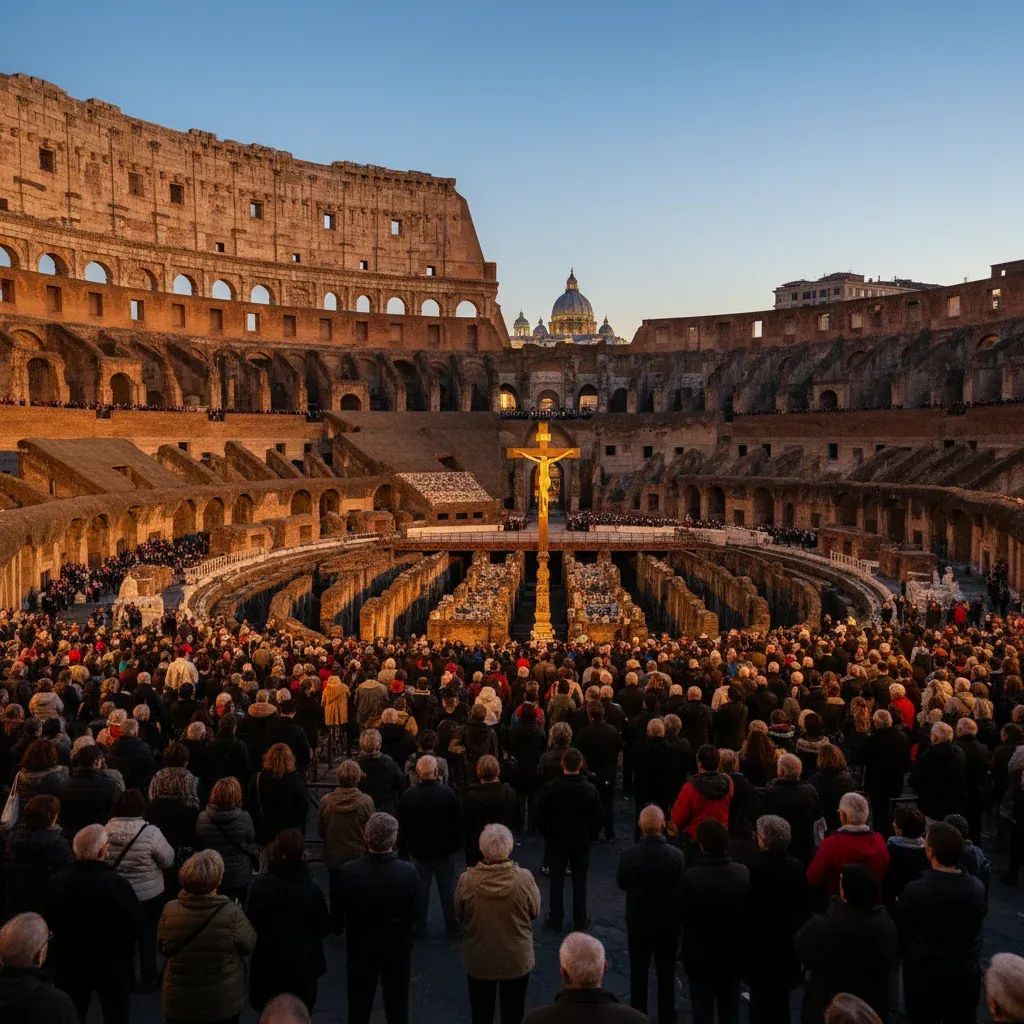 Economy · National News
Italy's Public Finance Document outlines two scenarios: modest growth or -0.2% GDP contraction in 2027 if conflicts continue. What this means for your income and jobs.
23 April 2026 Economy · National News
UniCredit increases its Generali stake to 8.72%, becoming the third-largest shareholder. How this move reshapes power dynamics in Italy's financial sector.
23 April 2026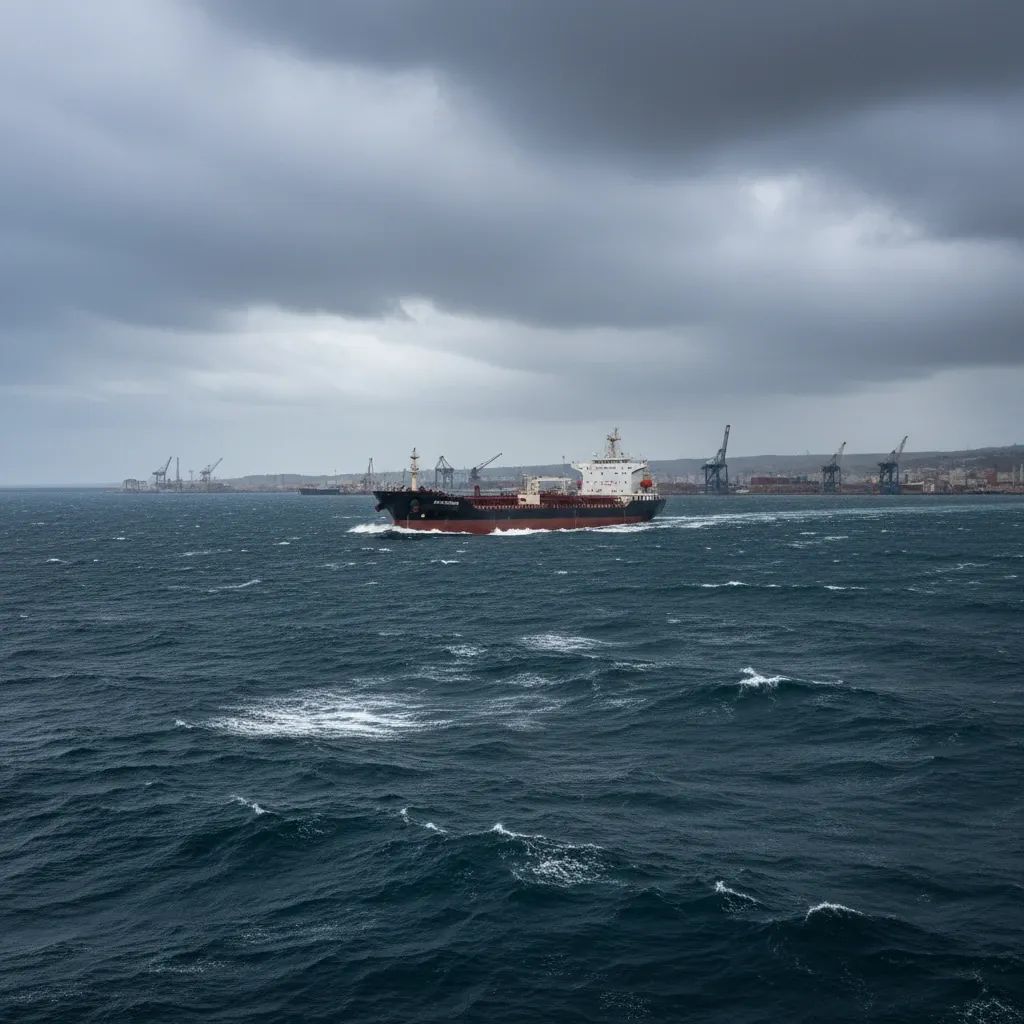 Economy · Politics
Brent crude above $100/barrel drives Italian pump prices higher. Families face €1,500–€1,700 in extra annual fuel costs. How the Gulf standoff impacts you.
23 April 2026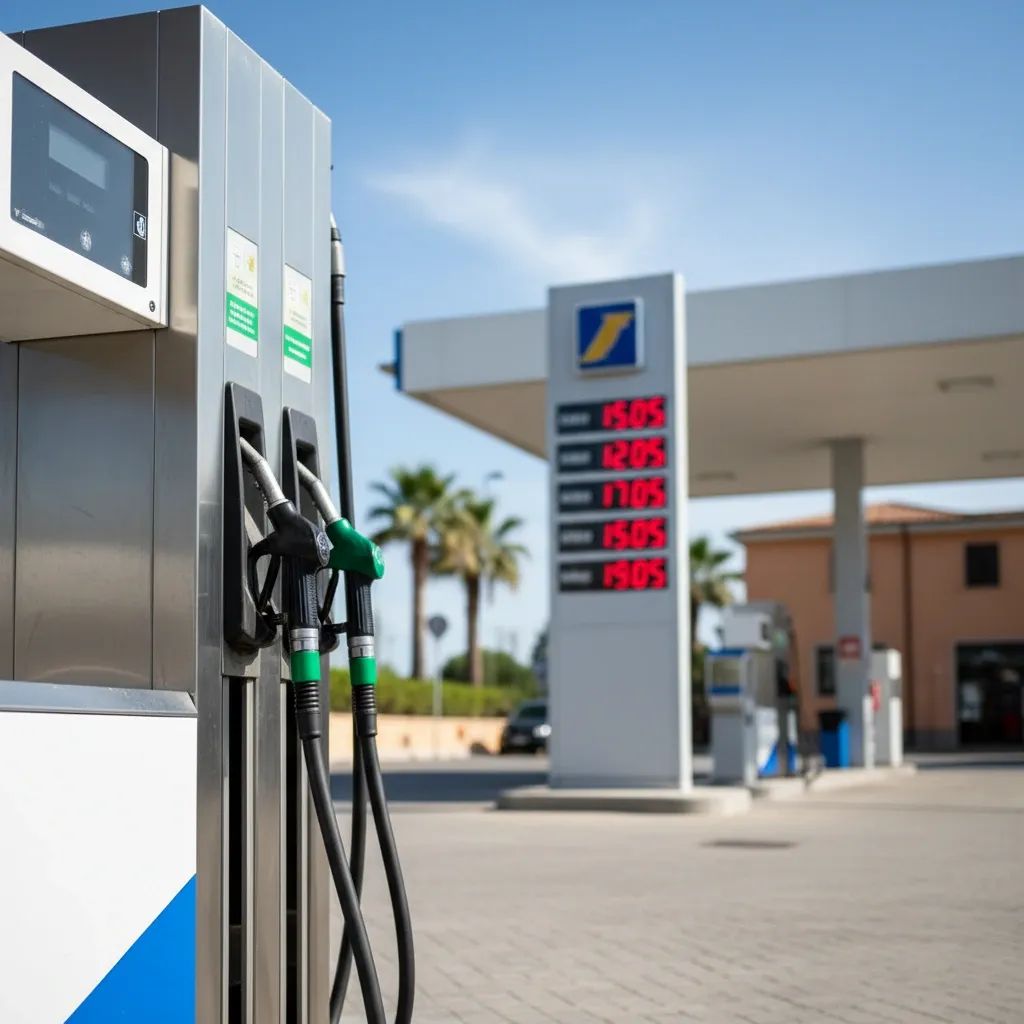 Economy · National News
Gasoline and diesel prices decline for 14 consecutive days in Italy. But excise tax relief expires May 1—residents and expats face potential price spike.
23 April 2026 Economy · Politics
Italy reaches 90% gas storage capacity, securing winter supply and protecting households from price spikes. See how this strengthens European energy security.
23 April 2026 Economy · National News
Italy's manufacturing crisis deepens: 148,000 jobs at risk as steel, auto sectors contract. CGIL warns policy vacuum threatens industrial future for residents.
23 April 2026 Economy · Politics
Persian Gulf blockade driving oil prices above $100/barrel. Learn how Hormuz Strait tensions affect Italy's energy costs, fuel prices, and your household expenses in 2026.
23 April 2026
 Economy