
Italy's Energy Markets React to Oil Price Decline
Italy's Ministry of Economy is monitoring a significant shift in global energy markets as crude oil prices have fallen below recent pre-conflict levels—though benefits at Italian fuel pumps may be limited due to the country's heavy taxation structure.
Current Market Prices and Movements
• Brent crude has dropped to $72.54 per barrel, falling below levels recorded before recent geopolitical tensions in the Middle East.
• WTI crude is trading at $69.40 per barrel, marking a return below the $70 per barrel threshold.
• The Strait of Hormuz is gradually reopening following diplomatic progress between the United States and Iran, easing supply concerns that had previously driven prices higher.
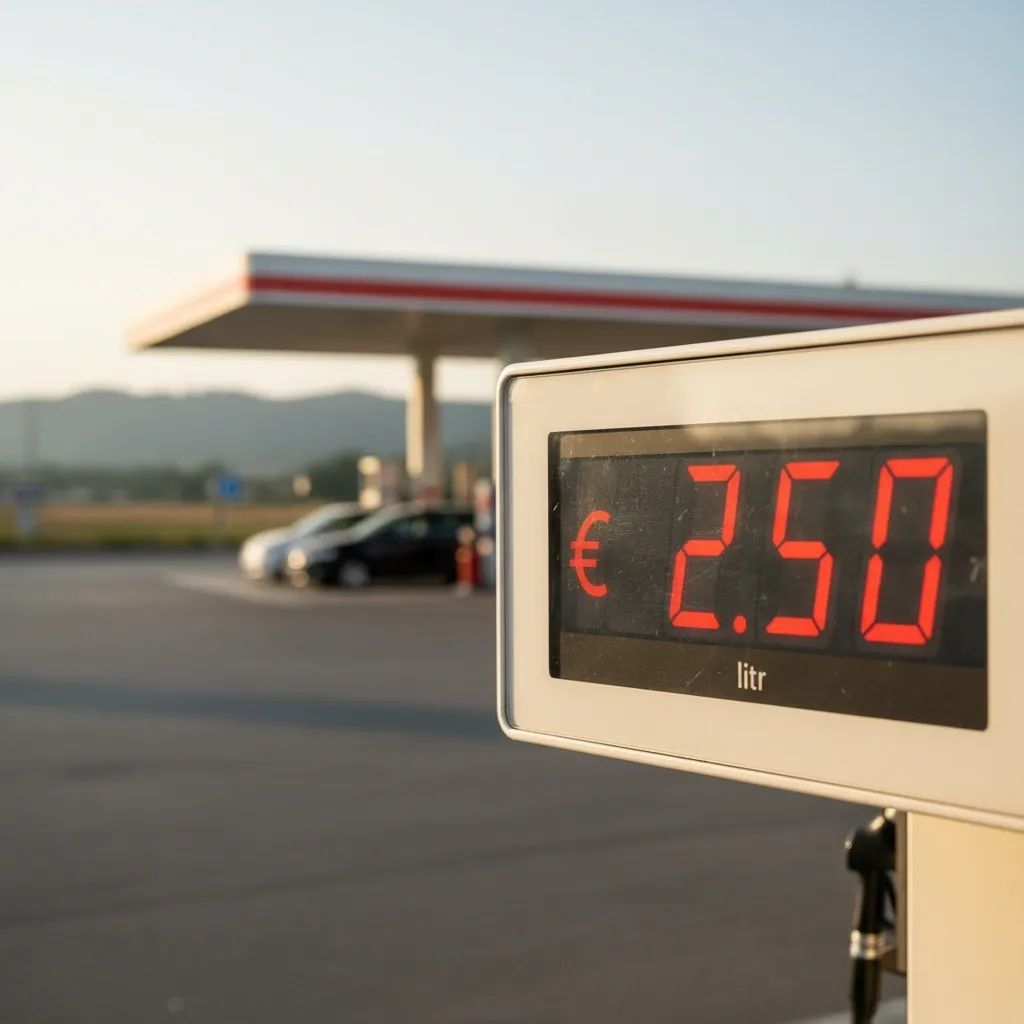
• Italian consumers may see limited fuel savings due to the country's substantial taxation on fuel, where over 60% of pump prices consist of fixed taxes unaffected by crude price movements.
Geopolitical Tensions Ease, Prices Decline
The recent price decline follows earlier market volatility when military tensions escalated in the Persian Gulf, briefly driving Brent crude toward $100 per barrel as traders feared disruptions to vital shipping lanes through which a significant portion of the world's petroleum passes.
Now, as naval traffic resumes through the Strait of Hormuz, that premium has evaporated. Brent futures have lost approximately 1.63% to settle at $72.54, while West Texas Intermediate (WTI) has declined 1.34% to close at $69.40. Both benchmarks are now trading below levels seen before the recent conflict.
The reopening has coincided with increased production from major Gulf exporters, contributing to current market conditions. Saudi Arabia, the UAE, and Iraq have increased output, affecting supply dynamics.
What This Means for Italian Energy Costs
For Italy, which imports approximately 80% of its energy needs, lower crude prices offer potential economic benefits. Reduced energy costs can help lower production expenses for Italian manufacturers, logistics companies, and agricultural producers—sectors that form important parts of the nation's economy.
However, Italian drivers should have realistic expectations for relief at the petrol station. Consumer advocacy groups have noted the disparity between crude price declines and actual fuel pump price reductions, often called the "rocket and feather" effect.
The explanation lies in Italy's fuel tax structure. More than 60% of the final pump price consists of fixed excise taxes that remain constant regardless of crude market movements. Italy also applies a 22% value-added tax (VAT) calculated on the total price including excises. This fiscal architecture ensures government revenue stability, but it also insulates consumers from fully benefiting when global oil prices fall.
Market Outlook
Energy analysts are monitoring multiple factors affecting crude prices going forward. Geopolitical developments in the Middle East remain significant, while global demand patterns and refinery activity levels continue to influence market dynamics.
For Italy's policymakers, the current price environment presents considerations for both immediate economic relief and longer-term energy strategy. Lower energy prices may provide breathing room for Italian industries and households, while also affecting incentives for continued investment in renewable energy and efficiency improvements.
The fundamental reality remains that Italy's substantial reliance on imported fossil fuels persists regardless of short-term price fluctuations. Long-term energy security will ultimately depend on accelerating the transition to domestic renewable sources and improving energy efficiency across the economy.
For now, the combination of easing geopolitical tensions and current market conditions has delivered a period of relative stability in energy markets.


