Italy's Deputy Prime Minister Matteo Salvini has doubled down on his call to reconsider European sanctions on Russian gas, arguing that the energy embargo is "irrelevant in terms of ending the conflict and damaging to our businesses and our economy." Speaking via video link to the Gim Unimpresa assembly, an association representing Italian companies operating in Russia, the League party leader pointed to several EU member states—notably France and Spain—that continue to purchase Russian gas despite Brussels' broader sanctions framework.
Why This Matters
• Economic pressure on Italian firms: Salvini contends that energy sanctions harm domestic industries more than they pressure Moscow, echoing concerns from business lobbies about competitiveness.
• Internal coalition friction: His remarks diverge from Prime Minister Giorgia Meloni's official support for EU sanctions, highlighting persistent splits within Italy's ruling coalition.
• EU energy reality check: Despite official bans taking effect in 2027, several member states are still importing record volumes of Russian LNG in 2026, exposing the gap between policy and practice.
Salvini's remarks underscore a familiar tension in Italian politics: balancing official alignment with EU policy against domestic economic anxieties and energy security concerns. For residents and businesses navigating volatile energy costs, the debate over Russian gas is not abstract—it directly affects household bills, industrial competitiveness, and Italy's geopolitical positioning within the European Union.
The League Leader's Core Argument
Salvini's critique rests on two pillars: economic self-interest and diplomatic realism. He argues that the prohibition on Russian gas purchases has failed to shorten the Ukraine conflict, while simultaneously imposing material costs on European manufacturers and consumers. "I do not see that sanctions have led to the end of the conflict," he told the business forum, adding that he hopes "there will not be another 20 packages of sanctions before this war ends."
The transport minister and deputy premier emphasized that negotiations, not a clear military victory, are the only realistic path to resolution. This stance aligns with his party's longstanding position that Europe's energy relationship with Russia is permanent and that attempts to sever it are both economically counterproductive and geopolitically naïve.
Salvini also invoked the support of Eni CEO Claudio Descalzi, who has publicly called for suspending the ban on Russian liquefied natural gas imports, a move that would allow Italy's state energy giant to resume or expand purchases from Moscow. For many Italian firms—especially energy-intensive manufacturers in textiles, chemicals, and metallurgy—Russian gas remains the cheapest and most accessible option, particularly when compared to the higher-cost LNG arriving from the United States and Qatar.
Italy's Official Stance vs. Internal Divisions
While Salvini's rhetoric is sharp, it contrasts with the formal policy of the Meloni government, which continues to back EU sanctions as "the most effective weapon" for securing peace in Ukraine. Italy has invested heavily in diversifying its energy portfolio, boosting imports from Algeria, the US, and Qatar to replace the Russian pipeline gas that once supplied nearly 40% of its needs. By early 2026, Russian gas represented roughly 13% of EU imports, down sharply from pre-war levels.
Yet the coalition's unity on sanctions is more fragile than it appears. Meloni has adopted a wait-and-see approach, hoping that peace negotiations will render a full gas ban unnecessary before it takes effect in autumn 2027. Salvini, by contrast, has used public forums and visits—including a mid-July 2026 trip to Moscow—to argue that Europe will "never fully abandon Russian energy" and that sanctions are a "self-inflicted wound."
This internal friction matters for residents because it signals uncertainty about future energy policy. If Salvini's faction gains more influence—or if energy prices spike again—Italy could become a louder voice within the EU for loosening sanctions, potentially complicating negotiations over the bloc's next sanctions package.
The European Reality: Who Still Buys Russian Gas?
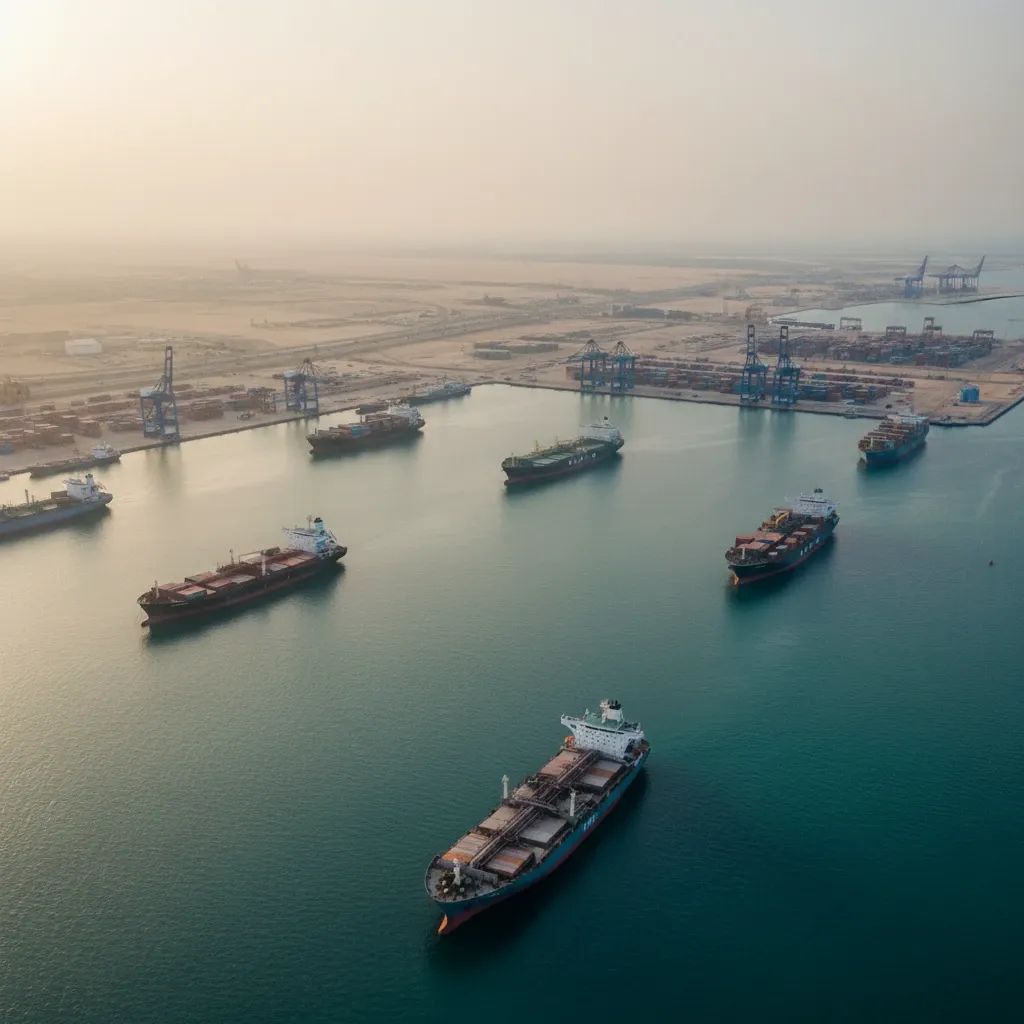
Salvini's assertion that other EU countries continue importing Russian energy is accurate. In the first half of 2026, France, Belgium, and Spain together absorbed more than 97% of the LNG exported by Russia's Yamal project to Europe. France alone imported 3.6 million tons, Belgium 2.9 million tons, and Spain 2.7 million tons—a record volume that represented an 18% year-on-year increase in Russian LNG arrivals across the EU.
This surge occurred despite progressive sanctions designed to phase out all Russian gas. Hungary and Slovakia remain major buyers of pipeline gas via the TurkStream route, and both were required to submit diversification plans by March 2026 under new EU rules. Yet enforcement has been uneven, and the practical reality is that a complete energy divorce from Russia remains elusive.
The EU's phased ban will prohibit new short-term LNG contracts from January 2027 and long-term contracts from January 2028, with a total pipeline gas ban scheduled for autumn 2027. Until then, the legal framework allows continued imports, creating a window that some member states—and their energy companies—are exploiting fully.
For Italian households and businesses, this European inconsistency raises questions about fairness and competitiveness. If French and Belgian industries can access cheaper Russian LNG in 2026, why should Italian manufacturers bear higher energy costs in the name of sanctions compliance?
Impact on Italy's Economy and Households
Energy costs have been a persistent source of anxiety for Italian families and firms since the war in Ukraine began. While prices have stabilized somewhat in 2026 compared to the spikes of 2022 and 2023, they remain elevated relative to pre-war norms. For energy-intensive industries—including ceramics, glass, steel, and chemicals—the cost of gas directly affects profit margins and global competitiveness.
Salvini's position resonates with business lobbies who argue that Italy's commitment to sanctions is undermining its industrial base, especially when competitors in other EU countries continue to access Russian energy. The Gim Unimpresa association, which represents Italian firms with operations in Russia, has been vocal about the need for pragmatic energy policy that prioritizes economic survival over symbolic gestures.
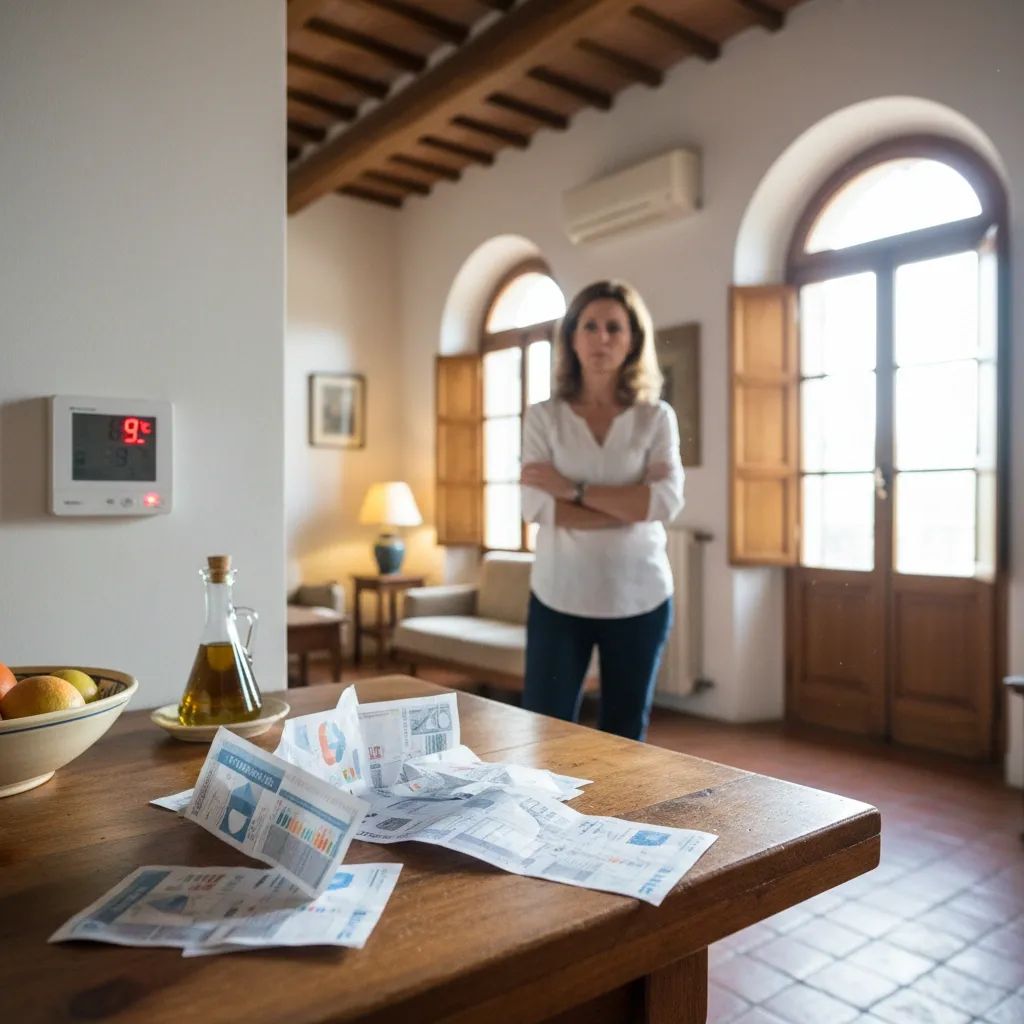
At the household level, the debate over Russian gas is less ideological and more immediate: heating bills, electricity prices, and the cost of living. Any policy shift that lowers energy costs—whether through resumed Russian imports or accelerated renewable deployment—would have direct, tangible benefits for residents.
What This Means for Italy's EU Role
Salvini's public stance complicates Italy's role within the European Union at a time when unity on sanctions is already fraying. The failure of EU member states to agree on the 21st sanctions package in July 2026—particularly around the oil price cap mechanism—illustrates the growing difficulty of maintaining consensus as the war drags on and economic costs accumulate.
If Italy shifts toward a more vocal opposition to energy sanctions, it risks diplomatic isolation within the EU's core pro-Ukraine bloc, which includes Poland, the Baltics, and the Nordic countries. Yet it could also find common cause with Hungary, Slovakia, and other member states that prioritize energy security and economic pragmatism over geopolitical symbolism.
For residents interested in Italy's international positioning, Salvini's rhetoric signals a potential recalibration: less reflexive alignment with Brussels, more assertive advocacy for national economic interests, and a greater willingness to engage diplomatically with Moscow—albeit indirectly and through energy channels rather than formal peace negotiations.
The Broader Sanctions Debate: Do They Work?
Salvini's skepticism about sanctions effectiveness is not entirely unfounded. While Russian oil and gas revenues fell by roughly 40% in early 2026, reaching their lowest levels since 2020, Moscow has proven resilient. It has redirected energy exports to China and India, utilized a "shadow fleet" of tankers to circumvent the oil price cap, and maintained its position as a net exporter despite Western restrictions.
The Russian economy faces mounting pressures—6% inflation, elevated interest rates, and an unsustainable wartime economic model—but it has not collapsed. The Kremlin continues to fund military operations, and the conflict shows no signs of imminent resolution through economic pressure alone.
For Europe, the sanctions have accelerated energy diversification and renewable investment, reducing long-term vulnerability to Russian leverage. Yet the short-term costs—higher energy prices, industrial relocation, and macroeconomic strain—are real and politically contentious. In Italy, where household energy costs remain a sensitive issue, Salvini's argument that sanctions are "conditioning for our businesses and our economy" resonates with voters worried about purchasing power and job security.
What Happens Next
The trajectory of Italy's position on Russian gas will depend on several factors: the evolution of the Ukraine conflict, energy price trends, and the internal balance of power within the Meloni government. If energy prices spike again—whether due to supply disruptions, Middle East instability, or a harsh winter—pressure to reconsider sanctions could intensify.
Conversely, if the EU's phased ban proceeds as planned and alternative energy sources prove sufficient, Italy may find that the debate becomes moot. The country's investments in Algerian gas infrastructure, LNG terminals, and renewable capacity are designed to insulate it from Russian supply shocks, reducing the economic rationale for Salvini's position.
For now, residents should expect continued political friction over energy policy, with Salvini and the League pushing for pragmatism and engagement with Russia, while Meloni's government maintains formal alignment with EU sanctions. The outcome will shape not only energy bills and industrial competitiveness but also Italy's broader role in European geopolitics.