
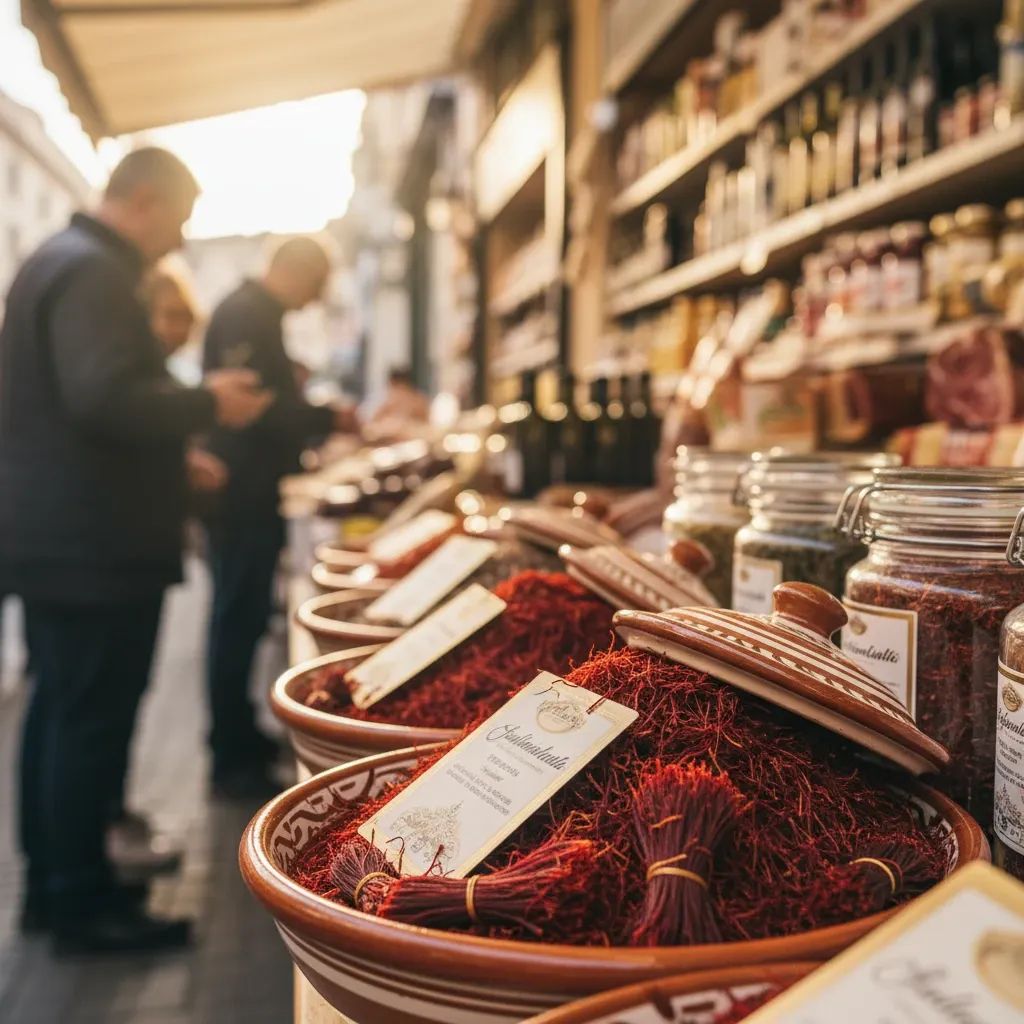
Italy's wholesale produce markets are holding steady despite a meteorological roller coaster of scorching heat and violent storms, with weekend shopping habits and the summer tourist influx keeping demand for fresh goods strong. For residents navigating rising costs and climate uncertainty, the current seasonal abundance means tangible savings on staples—but industry insiders warn this window may be narrow.
Why This Matters
• Watermelons and apricots are showing price drops of up to 18.9% year-on-year, offering immediate savings for households.
• Climate stress is costing Italian agriculture an estimated €1.5 billion this season, with potential supply squeezes and price spikes ahead.
• Tourist-driven demand is propping up wholesale volumes, particularly in coastal markets serving 89 M international visitors this summer.
• Zucchini and other heat-sensitive crops are already showing quality issues, signaling vulnerability in the supply chain.
Seasonal Bounty Meets Climate Pressure
The latest market data from Bmti and Italmercati, compiled with support from Consumerismo No Profit, paints a picture of short-term opportunity against a backdrop of long-term fragility. Italy's fruit sector has hit peak summer production, with watermelon output from Lazio driving wholesale prices down to €0.50–0.80/kg for standard varieties. Lombardy's specialty zones are fetching slightly more at €1.00–1.20/kg, while seedless options hold at €1.30–1.40/kg and baby melons at €0.80/kg.
Netted melons remain in high demand, ranging €0.70–1.50/kg, while smooth-skin varieties have eased to €1.70–1.80/kg. The Pellecchiella apricot campaign is accelerating, with prices settling at €1.80–2.00/kg—a 3% weekly drop and 18.9% decline from July 2025. Competing varieties are similarly affordable, between €1.60 and €2.00/kg.
On the vegetable side, new harvests from Lazio and Campania are pushing tomato prices downward: cherry tomatoes sit at €1.80/kg, Piccadilly types at €1.30–1.50/kg, and ribbed green varieties at €1.30–1.60/kg. Cucumbers are weathering the heat remarkably well, stable at €0.80/kg. Yet zucchini are beginning to buckle, exhibiting malformations and inconsistent quality—though prices remain manageable at €0.80–1.00/kg.
What This Means for Residents
For anyone planning meals or stocking up for summer gatherings, the current market conditions translate to tangible household savings. A kilogram of apricots costs roughly €0.40 less than last July, and watermelon prices are near multi-year lows. Shoppers who prioritize seasonal, locally sourced produce can stretch their grocery budgets further while supporting regional growers.
However, the picture is not uniformly rosy. Peaches and nectarines, despite high quality, are seeing price increases compared to 2025, as rapid spoilage from extreme heat forces growers to discount or discard smaller calibers. The urgent need to move perishable stock quickly is keeping some prices artificially low in the near term, but Coldiretti and Cia-Agricoltori Italiani caution that sustained heat stress could trigger selective price hikes later in the season, particularly for fruits and vegetables with reduced yields.
The Tourist Effect
Italy's anticipated 171.8 M summer tourist nights in July and August—including over 89 M foreign visitors—are injecting momentum into wholesale channels, especially those serving coastal resort areas. Restaurants, agriturismi, and food vendors are ordering in higher volumes, and tourists themselves are purchasing local produce as edible souvenirs. This surge in consumption is absorbing the seasonal glut and preventing more dramatic price collapses.
Yet the influx also highlights a geographic split: urban markets in major cities are experiencing softer demand as residents depart for vacation, while coastal and rural wholesale hubs are operating at full throttle. For residents in tourist-heavy zones, this dynamic can mean better availability of premium items but also occasional scarcity of everyday staples as vendors prioritize higher-margin tourist sales.
Seafood Stability Amid Volatility
Despite wholesale price increases for certain species, the fish sector is offering seasonal value. Pink shrimp range from €2.00–3.00/kg for small sizes to €8.00/kg for jumbo grades, while alacce (a type of herring) remain affordable at €2.00/kg. Mussels are holding steady at €2.50–3.50/kg, with quality reported as excellent.
Climate Costs and Coping Strategies
Behind the favorable pricing lies a more troubling narrative. Italy's primary agricultural sector is facing an estimated €1.5 billion impact from this summer's extreme weather, according to leading farm organizations. Heat waves are causing direct crop damage—fruits develop "sunburn" spots, yields drop, and harvest calendars are thrown off schedule. Zucchini malformations are an early warning sign of systemic stress, and watermelons are splitting in the fields.
The Po River basin, responsible for roughly a third of Italy's agricultural output, is already registering medium water stress by June, with water levels so low that some irrigation pumps cannot function. Farmers are investing heavily in precision agriculture: eight out of ten Italian farms are willing to adopt sensors, AI platforms, and automated irrigation systems to optimize water use and monitor crop health in real time.
Genetic innovation is also accelerating. New Genomic Techniques (NGT), known in Italy as TEA, are being deployed to develop heat- and drought-tolerant varieties that require fewer chemical inputs. These technologies are seen as critical for maintaining the quality and availability of iconic Italian products under increasingly volatile conditions.
Work schedules are shifting, too. To protect laborers from heat stress and preserve produce quality, many farms are now operating at dawn, dusk, or even overnight, a logistical challenge that adds to production costs.
Policy and Infrastructure Gaps
Agricultural associations are pressing the Italy government for a national water strategy and major investments in reservoirs, irrigation networks, and water-capture infrastructure. The goal is to move from reactive emergency measures to proactive resilience. The reformed Common Agricultural Policy (CAP) includes incentives for sustainable practices like soil protection and efficient water management, but farmers argue the pace of infrastructure development is not keeping up with the speed of climate change.
Coldiretti continues to monitor wholesale and retail prices to ensure transparency and protect both producers and consumers from speculative behavior. The organization has flagged a general 5–10% increase in food prices during the first half of 2026, though a modest correction was anticipated for unprocessed foods in June.
Strategic Shopping Tips
For residents looking to maximize value while supporting local agriculture:
• Buy watermelons, melons, and apricots now—prices are at seasonal lows and unlikely to improve further.
• Prioritize tomatoes, cucumbers, and leafy greens from Lazio and Campania harvests for best quality and price.
• Be flexible with zucchini and other heat-sensitive vegetables, as quality may vary and supply could tighten if temperatures remain elevated.
• Check coastal and rural markets if you live near tourist areas—wholesale volumes are higher, and vendors may offer bulk discounts to move inventory.
• Consider preserved or frozen alternatives for items showing early signs of supply stress, locking in current pricing before potential late-season spikes.
Outlook and Uncertainty
The convergence of abundant seasonal production, strong tourist demand, and favorable short-term pricing creates a beneficial moment for Italian consumers. Yet the underlying climate pressures—water scarcity, crop stress, and unpredictable storms—mean this equilibrium is fragile. As the season progresses and heat intensifies, the risk of supply disruptions and price volatility grows.
For now, Italy's wholesale markets are demonstrating resilience, and the combination of local abundance and international visitors is keeping the produce pipeline flowing. Residents who shop strategically and stay attuned to seasonal availability can navigate the summer with both savings and quality on their plates—but the longer-term challenge of climate adaptation will require sustained investment, innovation, and policy action to safeguard the future of Italian agriculture.


