
Italy's self-service fuel prices have climbed to €1.84 per liter for gasoline and €2.07 per liter for diesel, according to the Italy Ministry of Business and Made in Italy, marking the latest surge in what has become a volatile spring for motorists.
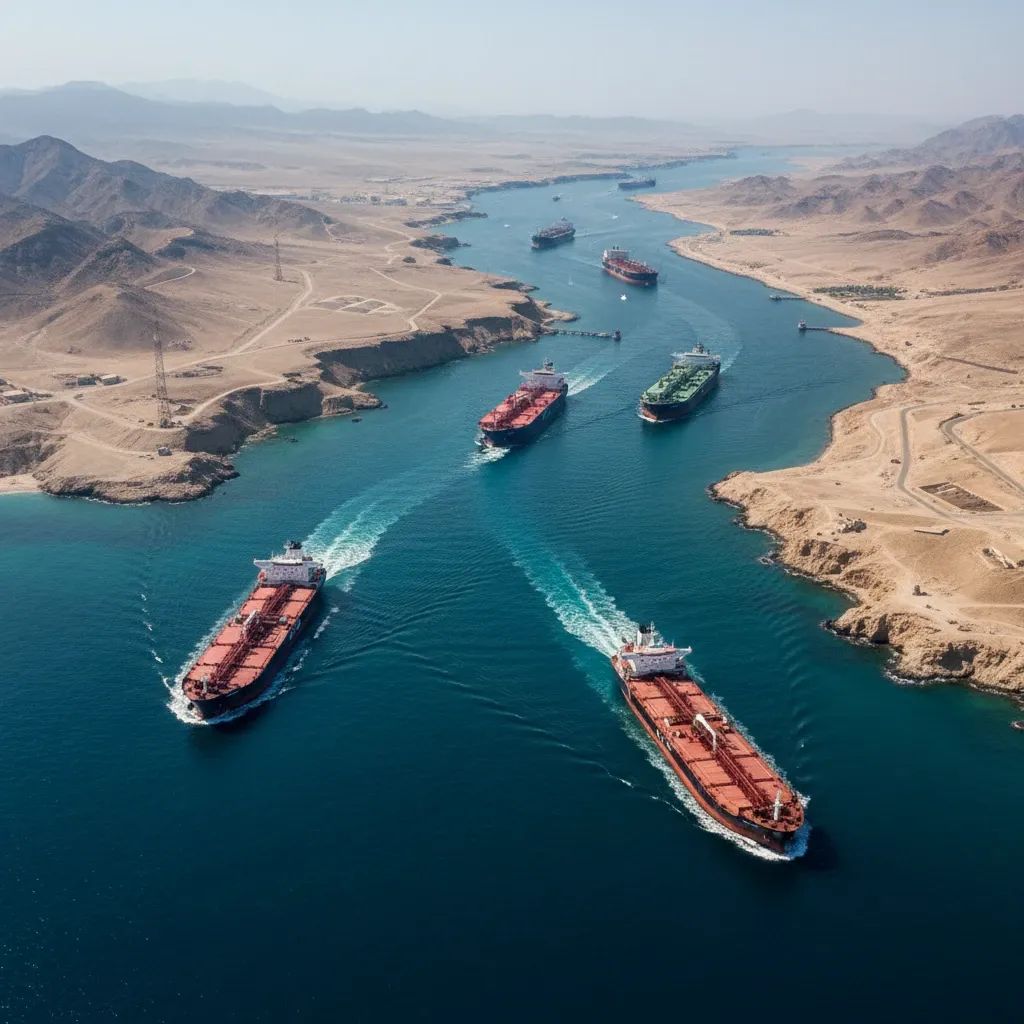
The culprit lies 6,000 kilometers away: the Strait of Hormuz, a critical shipping passage now disrupted by geopolitical tensions. The blockade has severed roughly 20% of global oil supply, sending shockwaves through European energy markets and directly into Italian pump prices.
Why This Matters for Your Wallet
For a typical Italian household driving 15,000 kilometers annually in a compact car, March's prices translate to roughly €2,760 in annual fuel spending for gasoline and €3,105 for diesel—an increase of approximately €300–€400 compared to early 2025 averages. Families in rural areas, where public transit options are scarce, feel the pinch most acutely.
A significant shift has also occurred: diesel now costs more than gasoline for the first time in three years. This followed a January 2026 tax realignment that added €0.0405 per liter to diesel while cutting the same amount from gasoline, swapping subsidies that once favored diesel drivers.
Finding Cheaper Fuel: Location Matters
Not all pumps charge the same. Highway service areas remain the most expensive option, with prices reaching €1.93 for gasoline and €2.13 for diesel—roughly €0.09–€0.06 per liter higher than roadside stations. This markup reflects captive-audience pricing and higher operating costs.
Regional disparities also exist. Stations in Trentino-Alto Adige and along the Austrian border typically charge €0.03–€0.05 per liter less than outlets in Sicily or Sardinia, where transport logistics and island isolation drive up costs. For long-distance trips, planning refueling stops off motorways can deliver meaningful savings.
The Mimit fuel price observatory, which tracks more than 20,000 service stations across Italy, publishes live pricing data online—a resource residents can consult before filling up.
What Drove Prices Higher: The Hormuz Crisis
Between mid-March and today, national road network prices ticked upward as the Hormuz blockade tightened. The Strait of Hormuz, a 34-kilometer passage linking the Persian Gulf to the Gulf of Oman, became a no-go zone after Iran threatened force against commercial shipping. In just two weeks, transit traffic collapsed: only 77 ships crossed the strait during early March, compared to 1,229 during the same period in 2025.
According to the International Energy Agency (IEA), this disruption severed at least 10 million barrels per day of crude production—the largest supply interruption in modern history. Shipping rates surged, and insurance premiums for tankers tripled, forcing dozens of vessels to remain stranded in Gulf ports.
Brent crude, the European benchmark, climbed toward $100–$103 per barrel in mid-March, up sharply from the $70–$80 range typical of late 2025. Trading desks warn of further upside if the impasse persists.
Italy's Tax Trap: Why Prices Rise Faster Than Oil Costs
Italian consumers face a two-layer fiscal burden that amplifies every uptick in crude prices. As of January 1, 2026, Italy aligned excise duties at €0.6729 per liter for both gasoline and diesel. The January realignment ended diesel's previous subsidy, which the Ministry of Environment had deemed environmentally harmful.
Here's the squeeze: on top of excise duties, Italy levies 22% VAT on the final retail price—meaning tax cascades onto tax. When crude costs rise by €0.10 per liter, the pump price climbs by roughly €0.12 once VAT is factored in. Overall, taxes account for more than 50% of what drivers pay at the pump, making Italy one of Europe's highest-taxed fuel markets.
Critics—including trucking associations and consumer groups—point to a pattern where prices shoot up swiftly when crude rallies but drift down sluggishly when it retreats. The government has instructed competition authorities to monitor stations for anomalies and speculative behavior.
What the Government Is Considering
Speaking at a television event, Foreign Affairs Minister Antonio Tajani outlined a potential relief measure: cutting excise duties while allowing VAT receipts to rise naturally as pump prices climb. "We must evaluate how to intervene on excises," Tajani said. "A cut in excises compensated by an increase in VAT could be an idea worth considering," emphasizing that citizens "do not deserve to pay a price for faults they did not commit."
As of mid-March, no formal decree has been published. Officials have also discussed activating "mobile excises," a temporary mechanism that reduces duties when retail prices exceed predetermined thresholds—potentially shaving €0.04–€0.05 per liter. However, such moves would require parliamentary approval and budgetary offsets.
Separately, the government has signaled that targeted relief for low-income households, freight operators, and small businesses may be forthcoming, though details remain sparse.
Commercial and Agricultural Impact
Trucking companies face acute pressure. The Conftrasporto federation estimates that a sustained €0.20 per liter increase adds €10,000–€15,000 in annual operating costs per vehicle, compressing margins and ultimately driving up logistics rates that consumers pay for food and goods.
Agriculture is similarly exposed. Tractors, harvesters, and irrigation pumps run almost exclusively on diesel, and spring planting season—now underway across the Po Valley and southern Italy—coincides with peak fuel consumption. Industry groups have called for a dedicated agricultural subsidy or temporary excise exemption to prevent cost pass-through to grocery shelves.
What Comes Next
Energy analysts caution that pump prices are unlikely to retreat significantly until Hormuz traffic normalizes or alternative supply routes fill the gap. The European Central Bank has flagged persistent fuel inflation as a risk to its monetary policy trajectory, and Italy's National Institute of Statistics (ISTAT) will incorporate March data into its April consumer price index, potentially nudging headline inflation upward.
For now, Italian motorists face a volatile and costly spring. Whether government compensation mechanisms materialize—and how quickly—will determine whether the Hormuz shock remains a temporary squeeze or morphs into a prolonged strain on household budgets and business balance sheets.


