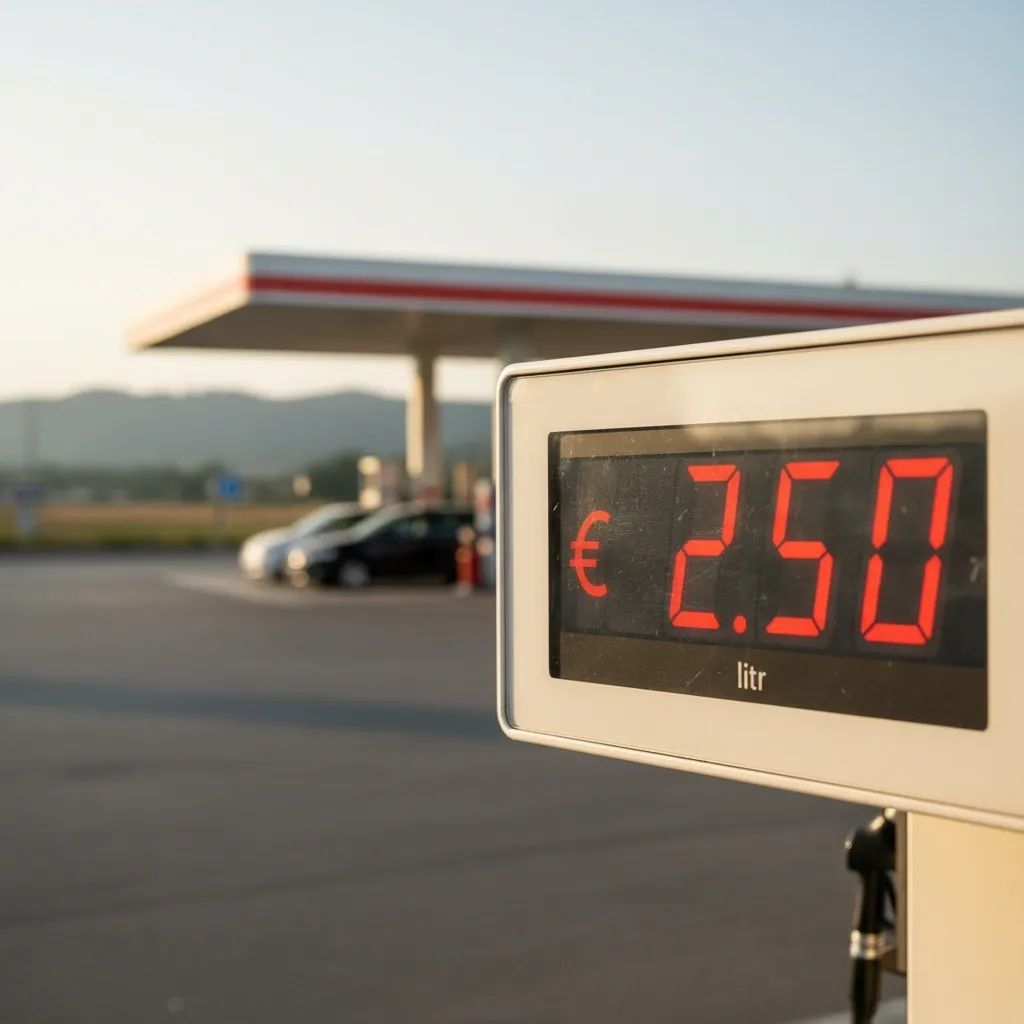
The Italian Ministry of Business and Made in Italy (Mimit) has launched a sweeping investigation into the fuel supply chain, transmitting its initial findings to the Italian Financial Police (Guardia di Finanza) after detecting rapid price surges that officials suspect may involve speculative practices by major oil companies. This move comes as diesel prices at some highway stations breach €2.50 per liter and geopolitical tensions in the Middle East send crude oil soaring past $80 per barrel.
Why This Matters:
• Immediate impact on wallets: Self-service diesel now averages €1.75/liter nationally, up 25 thousandths in a single day, with highway stations charging up to €2.52/liter for full service.
• Regulatory scrutiny intensifies: The government's Price Surveillance Guarantor has formally requested explanations from major oil companies about "rapid upward adjustments" to fuel pricing.
• Emergency meeting scheduled: Minister Adolfo Urso has convened two sessions of the Rapid Alert Commission on Friday, March 6, to assess energy market turmoil and potential knock-on effects for grocery prices and inflation.
Government Intervention Accelerates
Italy's Mimit escalated its monitoring of the entire fuel distribution chain beginning Monday, with a particular focus on the recommended price lists issued by oil companies, distribution margins, and actual pump prices. The decision, directed by Minister Adolfo Urso, reflects mounting concern that price increases are outpacing the legitimate cost pressures from international crude markets.
The Price Surveillance Guarantor has demanded clarifications from leading petroleum corporations regarding recent price volatility, specifically questioning why gasoline and diesel list prices climbed so swiftly in recent days. According to the ministry's statement, these elements will be examined in depth during Friday's emergency commission meetings—the first dedicated to energy and fuel markets at 9:30 AM, the second addressing inflation risks for household groceries and the agri-food sector at 11:30 AM.
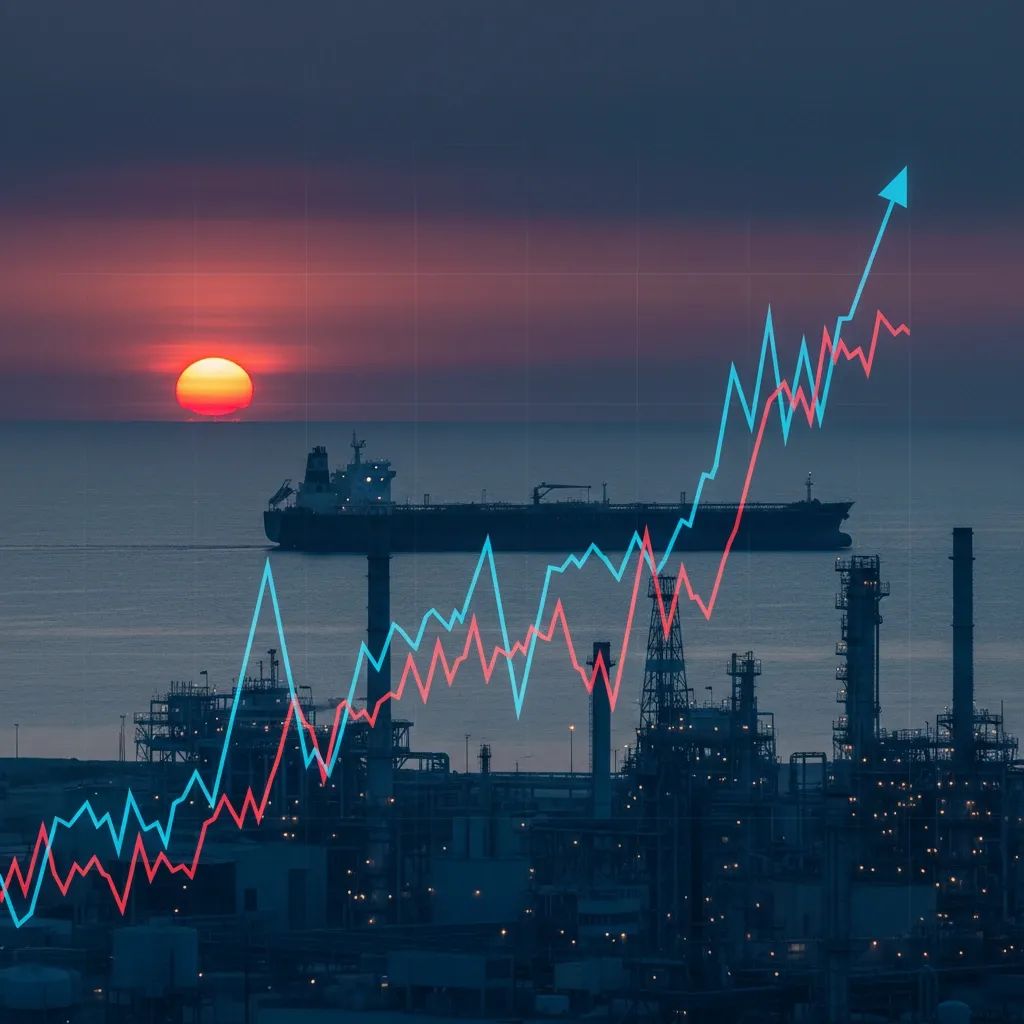
The timing is critical: Brent crude closed above $80 per barrel on Tuesday, while diesel wholesale prices smashed through $1,000 per ton—the highest level in euros since October 2023. Yet consumer advocacy groups warn that pump prices often spike faster than crude costs justify, and fall far more slowly when oil prices retreat.
What This Means for Drivers
Filling your tank has become noticeably more expensive across Italy over the past 48 hours. Data compiled by Staffetta Quotidiana from roughly 20,000 stations and submitted to the Mimit's fuel price observatory reveal the following national averages as of Tuesday morning:
• Gasoline self-service: €1.693/liter (up 19 thousandths), with branded stations at €1.702 and independent "white pumps" at €1.676
• Diesel self-service: €1.753/liter (up 25 thousandths), branded at €1.765, independents at €1.731
• Gasoline full-service: €1.830/liter (up 17 thousandths), branded €1.876, independents €1.745
• Diesel full-service: €1.888/liter (up 23 thousandths), branded €1.935, independents €1.799
• LPG: €0.691/liter (up 1 thousandth)
• Methane: €1.404/kg (up 1 thousandth)
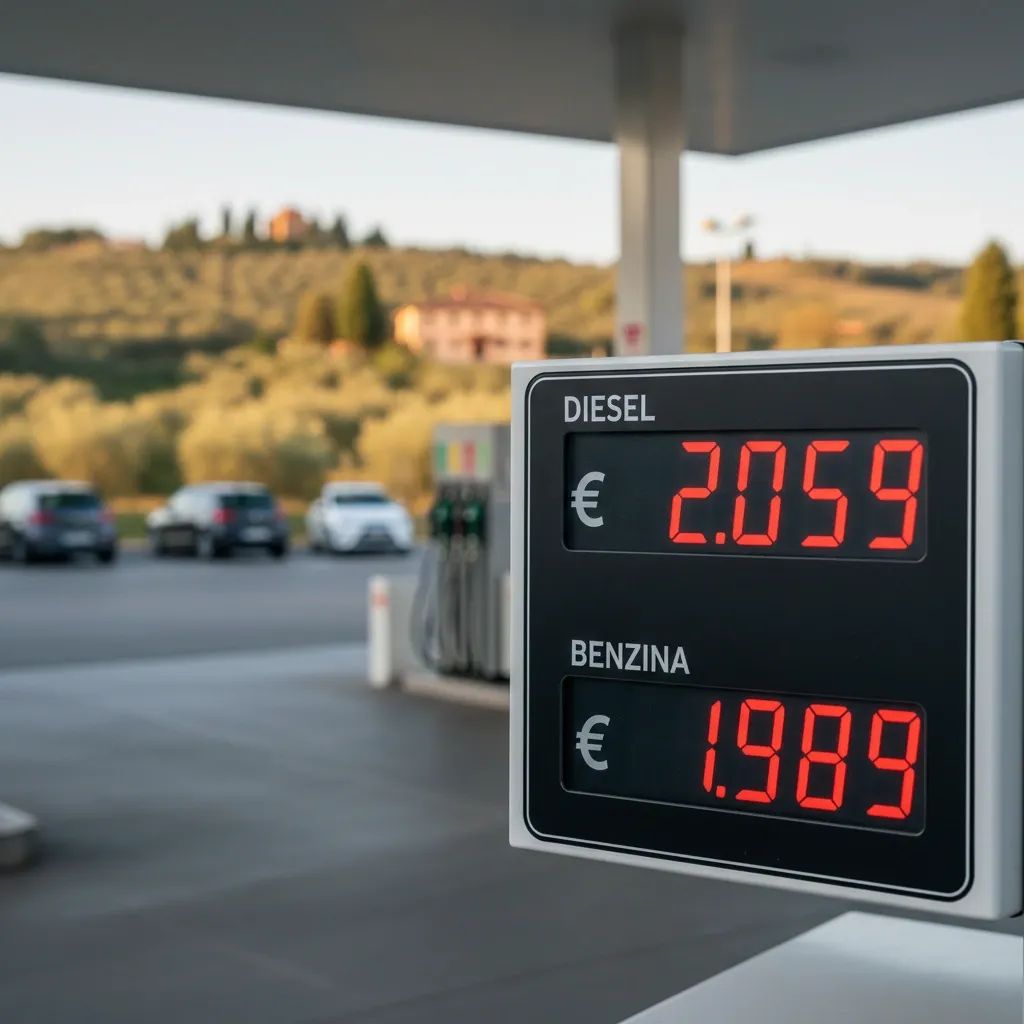
Highway prices are even steeper: self-service gasoline sits at €1.787/liter and diesel at €1.845/liter, while full-service diesel reaches an average of €2.102/liter. But these are merely averages.
Record Highs on Major Toll Roads
Codacons, a leading consumer rights organization, conducted a targeted survey of Mimit observatory data and identified alarming peaks along Italy's motorway network. On the A21 Turin-Piacenza corridor, full-service diesel hit €2.519/liter, with gasoline at €2.389. The A4 Milan-Brescia stretch saw diesel climb to €2.464/liter and gasoline to €2.329/liter. Across eight separate stations on routes including the A1 Milan-Naples, A11-A12 Viareggio-Lucca, A12 Genoa-Sestri Levante, A14 Bologna-Bari-Taranto, and A21, diesel topped €2.449/liter while gasoline crossed the €2.30 threshold at multiple locations.
Even in self-service mode, the A5 corridor posted diesel at €2.133/liter, the A14 at €2.109/liter, the A23 at €2.079/liter, and the A1 and A21 at €2.069/liter. Codacons emphasized that while these are not national averages, they represent real prices paid by motorists—and their resurgence to levels unseen in months raises concerns, particularly with Easter travel season approaching, when vehicle usage traditionally surges.
The association also noted a persistent asymmetry: when crude oil prices rise, pump prices follow within days; when crude falls, pump prices remain stubbornly elevated for weeks. This pattern, they argue, amplifies the financial burden on drivers and points to potential market distortions.
Oil Companies Raise Recommended Prices
Major brands have announced sharp increases to their suggested retail prices in recent days. Eni raised gasoline by 2 cents per liter and diesel by 7 cents. IP increased gasoline by 4 cents and diesel by 10 cents. Q8 added 4 cents to gasoline and 6 cents to diesel. Tamoil bumped gasoline by 3 cents and diesel by 10 cents.
These adjustments flow down the distribution chain, though independent operators (white pumps) often lag or undercut branded stations. The Italian Financial Police, which has received the government's preliminary monitoring results, will scrutinize whether these price movements reflect genuine cost pressures or coordinated behavior that could violate competition law.
Geopolitical Backdrop: Strait of Hormuz and Supply Risks
The proximate cause of the oil price surge is the escalating confrontation in the Middle East, particularly around the Strait of Hormuz. This narrow waterway, connecting the Persian Gulf to the Gulf of Oman, carries over one-fifth of the world's seaborne oil and more than 30% of global liquefied natural gas (LNG). Any disruption—whether through military action, blockade, or insurance complications—sends shockwaves through energy markets.
While Europe sources only a small fraction of its crude directly through Hormuz, approximately 40% of European diesel and jet fuel imports transit the strait. The Italian Cabinet and Mimit are acutely aware that supply disruptions could amplify energy costs across the continent.
Accusations of Speculation
Confesercenti and other consumer groups have accused oil companies of implementing "unjustified preemptive increases" of up to 6 cents per liter, calling for intervention by Minister Urso, the Price Surveillance Guarantor, and the Financial Police. Federconsumatori and Centro Consumatori Italia have also voiced strong criticism of what they describe as speculative pricing practices.
Italy's Competition and Market Authority (AGCM) previously sanctioned several major petroleum firms for a restrictive agreement on the bio-component pricing between January 2020 and June 2023, underscoring a track record of anti-competitive behavior in the sector. The current investigation will examine whether recent price movements exceed what crude costs, refining margins, and distribution expenses would justify.
Impact on Broader Inflation and Household Budgets
Beyond the pump, rising fuel costs ripple across the economy. Italy's logistics network relies overwhelmingly on road transport, meaning diesel price hikes translate directly into higher shipping costs for consumer goods, groceries, and raw materials. The second Rapid Alert Commission session on Friday will specifically address these inflation knock-on effects, with particular attention to the food basket and agri-food sector.
Regional Price Variations
Mimit publishes daily regional breakdowns, and disparities are notable. As of March 4, self-service diesel averaged €1.822/liter in Lombardy, €1.820/liter in Basilicata, €1.806/liter in Lazio, €1.805/liter in Sicily, €1.800/liter in Abruzzo, and €1.785/liter in Campania. Gasoline showed similar spreads, ranging from €1.749/liter in Basilicata to €1.708/liter in Abruzzo.
Highway prices dwarf these figures: self-service diesel on toll roads averages €1.903/liter, with gasoline at €1.816/liter. For full-service, these jump to €2.102 and €2.047 respectively. Drivers planning long-distance travel, especially over the Easter holiday, should budget accordingly and consider fueling at independent stations or off-highway locations where possible.
What Happens Next
Friday's Rapid Alert Commission meetings represent the first formal government response to the current crisis. Attendees will include representatives from Mimit, the Price Surveillance Guarantor, oil industry executives, and potentially officials from the Financial Police. The agenda will assess:
Whether international crude and wholesale diesel/gasoline prices justify current pump prices, or whether margins have been inflated.
Supply chain bottlenecks or logistical disruptions stemming from Middle East tensions.
Potential regulatory or fiscal interventions to cushion consumers, such as temporary excise reductions, price caps, or enhanced antitrust enforcement.
Broader inflationary pressures on groceries and household essentials, which could prompt coordinated action with the Italian Treasury.
Outlook for Easter and Beyond
With Easter weekend fast approaching, demand for gasoline and diesel traditionally spikes as families embark on holiday trips. If current geopolitical tensions persist or intensify, pump prices could climb further. Conversely, any diplomatic breakthrough or resumption of normal tanker traffic through Hormuz could ease pressure—though, as Codacons noted, downward price adjustments typically lag upward ones by weeks.
For now, Italian drivers face an intense squeeze: international crude volatility has converged to push diesel above €1.75/liter on average and above €2.50/liter at some highway stations. The government's investigation and Friday's emergency meetings signal that officials recognize the political and economic stakes. Whether this translates into tangible relief—or merely identifies speculative abuses for future prosecution—remains to be seen.