
The Italian government, along with 11 other EU member states, has secured backing for a three-year postponement of stringent methane import reporting obligations set to kick in next January—a delay that could keep energy costs from spiking but has drawn sharp criticism from environmental groups who warn it undermines climate commitments.
Why This Matters:
• Energy bills at stake: The postponement aims to prevent supply disruptions and price hikes for households and businesses across Italy and the broader European Union.
• Import compliance extended: Methane transparency requirements for oil, gas, and coal imports, scheduled for January 2027, would now shift to 2029 under the proposal.
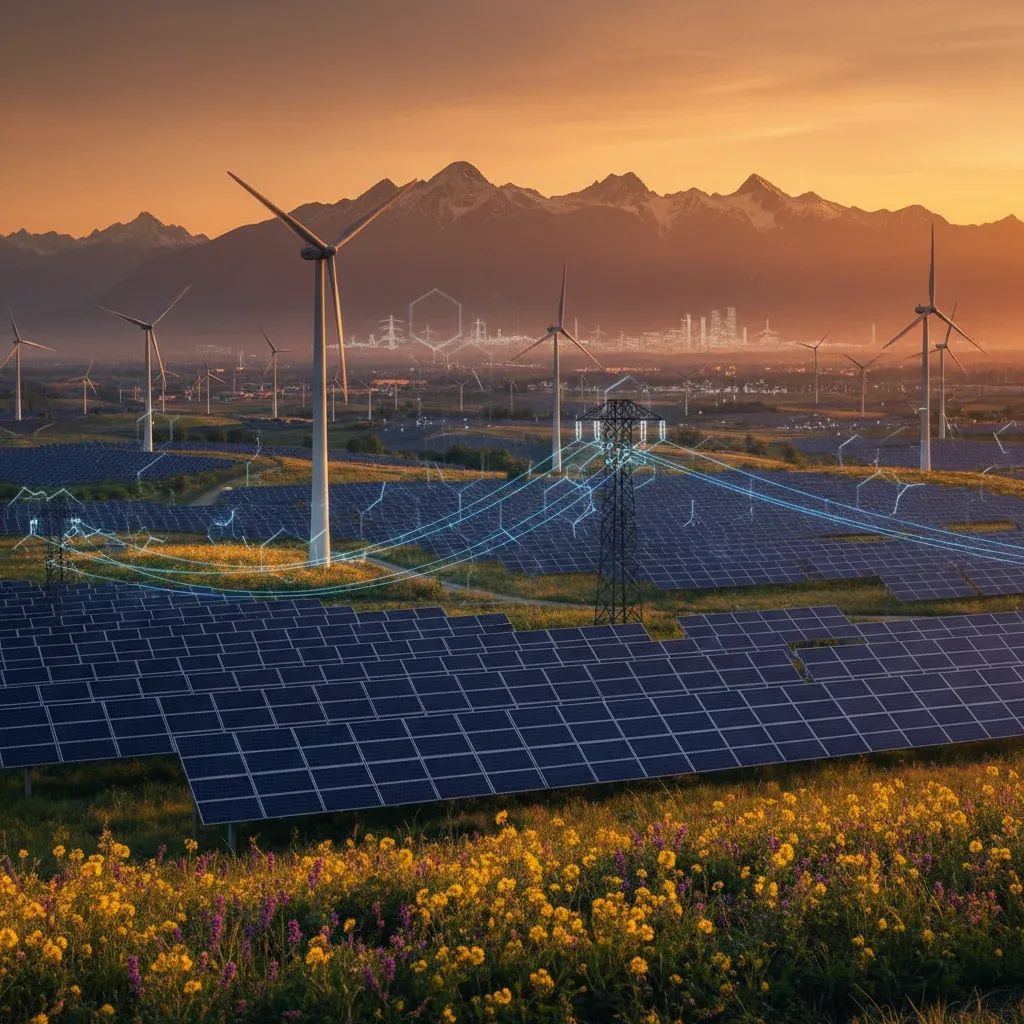
• Grid overhaul greenlit: EU energy ministers simultaneously approved a major infrastructure planning package designed to accelerate cross-border electricity network expansion and speed up permitting processes.
• Storage targets locked in: EU countries, including Italy, committed to advancing energy storage deployment to support renewable energy integration by 2028—a critical step toward stabilizing renewable energy supply.
Italy Leads Push to Delay Methane Rules
At the EU Energy Council meeting in Luxembourg held in late June, the Italian Ministry of Environment and Energy Security, represented by Minister Gilberto Pichetto Fratin, joined Austria, Belgium, Bulgaria, Czech Republic, Hungary, Lithuania, Netherlands, Poland, Romania, Slovakia, and Sweden in formally requesting the three-year extension. Germany separately termed a revision or delay of the EU methane regulation "urgent" upon its arrival at the Council.
The contested regulation—EU Regulation 2024/1787—entered into force in August 2024 and mandates that importers of natural gas, crude oil, and coal provide verified annual reports on methane emissions starting January 2027. By 2030, those imports must meet strict emission thresholds or face penalties. The 12 signatories argue that full implementation is "not currently feasible" given geopolitical instability and tightened global fossil fuel markets, particularly from the Middle East.
Italian energy industry group Unem (Unione Energie per la Mobilità) formally echoed the government's stance, calling for a minimum three-year deferral and suggesting the EU negotiate framework agreements with producer countries to give them time to meet new monitoring requirements. The concern centers on whether suppliers—especially those lacking advanced methane tracking systems—will simply redirect shipments to less regulated markets, leaving Europe with fewer options and higher costs.
Commission and Member States Weigh Implementation Options
EU Energy Commissioner Dan Jorgensen acknowledged the concerns but indicated that Brussels is considering implementation mechanisms and timelines while insisting the policy's climate ambition must remain intact. Major energy exporters, including the United States and Qatar, have also lobbied for leniency, warning that rigid enforcement could disrupt fuel supplies to Europe at a precarious moment.
Environmental organizations in Italy have pushed back hard. WWF Italy and the think tank ECCO both argue that weakening the methane regulation would be a strategic blunder, undermining energy security rather than bolstering it. They contend that transparent methane reporting incentivizes cleaner production methods and reduces Europe's vulnerability to volatile fossil fuel markets.
EU Ministers Approve Sweeping Grid Planning Package
On the same occasion, EU energy ministers formally adopted their negotiating position on the so-called European Grids Package, a legislative bundle that revises the Trans-European Energy Infrastructure Regulation (TEN-E) and introduces a new directive to streamline infrastructure permitting. The package is designed to modernize and expand Europe's electricity, hydrogen, and gas networks to support electrification and decarbonization goals.
Under the agreed framework, the European Commission will produce a central planning scenario based on input from member states and industry stakeholders, identifying long-term infrastructure gaps and bottlenecks. National grid operators will then use this scenario to coordinate cross-border expansion, with a focus on eliminating delays and redundancies.
Commissioner Jorgensen emphasized that Europe's electricity grid must not only grow but operate far more efficiently. The Council's position softens the original December proposal from Brussels, which critics said was too centralized, and instead grants member states more say in transnational planning while still ensuring the Commission retains a coordinating role.
A new category of priority projects for grid security and resilience was also introduced, allowing critical components of existing infrastructure to access EU funding—a direct response to concerns about grid vulnerability amid rising geopolitical tensions.
The package is a cornerstone of the "One Europe, One Market" roadmap, an initiative aimed at enhancing European competitiveness by lowering energy prices and accelerating the transition away from fossil fuels. The Council is now poised to enter formal negotiations with the European Parliament, with both institutions targeting a final agreement before the end of 2026.
What This Means for Residents
For people living in Italy, the dual outcomes of the Luxembourg meeting carry tangible implications. The methane import delay, if finalized, is intended to stabilize energy supply chains and prevent sudden cost increases at the pump and on utility bills. However, it also means that transparency on the carbon footprint of imported fuels—and the leverage that transparency creates to pressure producers into cleaner practices—will be deferred.
On the infrastructure side, the approved grid package promises faster permitting for renewable energy projects and cross-border electricity connections, which should gradually ease grid congestion and improve the reliability of power supply. For businesses and households investing in solar panels, electric vehicles, or home battery systems, streamlined rules could accelerate installation timelines and reduce red tape.
The energy storage commitment signals a national push to deploy battery systems and other storage technologies that can absorb excess renewable generation during peak production hours and release it when demand spikes. With energy storage playing an increasingly critical role in grid stability as renewable capacity grows, Italy's participation in advancing these technologies reflects recognition of their importance for the energy transition.
Balancing Climate Goals with Energy Security
The tension at the heart of both the methane and grid debates is how to reconcile Europe's climate ambitions with immediate energy security and affordability concerns. The methane regulation was designed to make Europe's energy imports cleaner and to give the bloc leverage over global suppliers. Postponing it reduces short-term friction with producers but risks locking in dirtier supply chains for longer.
Conversely, the grid package reflects a recognition that Europe cannot electrify its economy without physically rewiring itself—and that the current patchwork of national planning processes is too slow. By centralizing some coordination and fast-tracking permits, the EU hopes to unlock billions in private investment and cut the time it takes to connect wind farms, solar arrays, and battery installations to the grid.
Member states are expected to contribute to advancing energy storage deployment targets, with progress monitored as part of the broader energy security and transition framework.
What Comes Next
Negotiations between the Council and Parliament on the grid package are expected to begin within weeks, with both sides under pressure to finalize the legislation before year-end. The methane regulation debate will unfold separately, with the Commission weighing implementation options and timelines.
For Italian energy consumers, investors, and policymakers, the outcome of these parallel tracks will shape everything from heating bills to the pace of the renewable transition. The Luxembourg meeting has set the stage—but the real test lies in execution.


