
The Italian regional government of Lombardy has scrapped a planned economic mission to the United States, following a fresh volley of insults directed at Prime Minister Giorgia Meloni by U.S. President Donald Trump. The cancellation marks the latest tangible fallout from a diplomatic rupture that has effectively frozen high-level Italian travel to Washington and thrown a spotlight on the fragility of transatlantic relations.
What This Means for Italian Residents and Businesses:
For Italians working in export sectors, particularly in Lombardy, the consequences are immediate and concrete:
• Lost trade opportunities: The canceled Lombardy business mission means regional companies will miss opportunities to pitch products, attract U.S. investors, and forge partnerships in manufacturing, technology, and industrial sectors. This directly impacts export-oriented businesses and their workforce.
• Broader economic ripple effects: The U.S. remains Italy's top source of trade surplus outside the EU. Prolonged diplomatic tension could complicate negotiations on tariffs, investment, and regulatory alignment, potentially affecting job security in export industries.
• Energy security concerns: Italy's dependence on stable maritime routes for oil and gas imports makes it sensitive to instability in the Persian Gulf. Experts warn that prolonged regional tensions could lead to increased energy costs, ultimately affecting household bills and business operating expenses.
Why This Tension Matters:
• Diplomatic freeze intensifies: Multiple Italian officials have now canceled U.S. trips, signaling a coordinated response to perceived disrespect from the White House.
• National unity on display: The entire Italian political spectrum, from left to right, has rallied behind Meloni in what many see as a direct insult to the country's sovereignty and dignity.
• A strategic rift widens: Recent divergences over Middle Eastern geopolitics and Italy's refusal to participate in certain U.S.-led military operations have soured relations between two former allies.
The Trigger: Trump Dismisses Meloni Over Hormuz Policy
In a televised interview with NBC, Trump escalated his rhetoric against the Italian premier, claiming he no longer wanted her as a supporter because "she wasn't there, and neither was NATO, when it came to the Strait" of Hormuz. The remark came just days after Trump told Italian broadcaster La7 that Meloni had "begged" him for a photograph at the recent G7 summit—an allegation she flatly denied as "totally fabricated" and described herself as "frankly stunned" by the claim.
Trump's dismissal of Meloni, who had previously been seen as one of his closest ideological allies in Europe, represents a dramatic reversal. The two leaders had cultivated a warm public relationship, but recent divergences over Middle Eastern geopolitics have soured the rapport.
Fontana Pulls the Plug on Business Trip
Attilio Fontana, president of the Lombardy Region, announced that he had canceled his scheduled mission to the U.S., which was to include appearances at an economic forum and several events promoting Lombardy's industrial and export sectors. Fontana coordinated the decision with Foreign Minister Antonio Tajani, who himself had already scrapped a planned trip to Washington.
"I express full solidarity with Prime Minister Giorgia Meloni for the unacceptable words uttered by Donald Trump, which do not reflect the respect and correctness on which relations between heads of state and government must be based," Fontana said in a statement. He added that Trump's words "offend Prime Minister Meloni and Italy" and emphasized that international friendships must rest on mutual respect and institutional decorum—principles he felt had been violated.
Fontana noted the irony of his decision, pointing out that just days earlier he had participated in ceremonies marking significant Italian-American ties. "Friendship, like international relations, is based on mutual respect and a sense of institutions. When these principles fail, it is necessary to take a clear position," he said.
Hormuz and the Diplomatic Fault Line
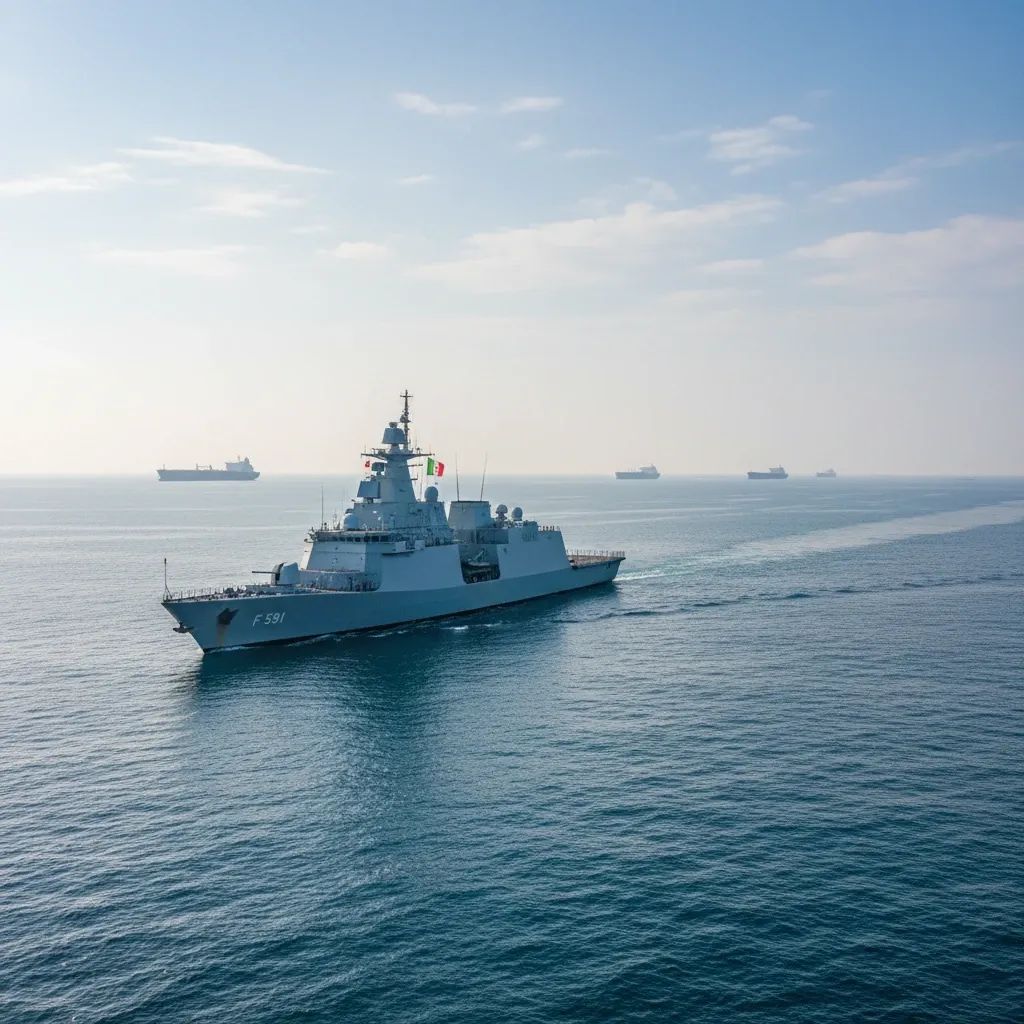
The Strait of Hormuz dispute has become the central geopolitical wedge between Rome and Washington. The Trump administration has been pressing NATO allies to contribute forces and logistical support for operations aimed at keeping the waterway open amid escalating tensions with Iran. Italy, heavily reliant on maritime energy flows, has declined to deploy military assets or allow the use of Sigonella Air Base for certain U.S. operations in the region.
Rome's position is rooted in a preference for multilateral diplomacy and concern that direct military involvement would jeopardize energy security and inflame already volatile regional tensions. The Italian position has also been influenced by broader concerns about the humanitarian impact of Middle Eastern conflicts. For Trump, Italy's stance amounts to abandonment; for Meloni, it represents sovereign prudence based on Italy's national interests.
The rift has become increasingly public. Trump's accusations that Meloni and NATO had failed to show up when needed are seen in Rome not just as policy criticism but as personal and national humiliation—especially the insinuation that Italy "begs" for attention from Washington.
Institutional Italy Closes Ranks
The domestic political reaction has been swift and nearly unanimous. President Sergio Mattarella personally telephoned Meloni to express solidarity, a rare gesture that underscored the gravity of the offense. Opposition parties, normally quick to criticize the center-right government, have rallied behind the prime minister, framing Trump's remarks as an insult not to a political leader but to the Italian state itself.
This level of cross-party unity is unusual in Italy's fractious political landscape, and it reflects a broader sentiment that Trump's rhetoric crossed a line from policy disagreement into personal denigration and national disrespect. For many Italians, the image of their prime minister being dismissed as a supplicant struck at core issues of national pride and sovereignty.
The Road Ahead
The immediate outlook for Italian-American relations remains clouded. With multiple high-level trips now canceled and tensions simmering, the question is whether this is a temporary spat or the beginning of a longer-term realignment. Italy has few good options: it cannot afford to alienate Washington entirely, given its NATO membership and economic ties, but neither can it afford to be seen domestically as acquiescing to public humiliation.
Meloni has been firm in her response, criticizing what she sees as Trump's selective criticism and suggesting she is willing to push back even at the cost of further straining relations. For now, the diplomatic tension continues, with each side standing firm and the prospect of a quick resolution appearing remote. For Italian businesses and workers in export sectors, the message is clear: expect uncertainty and delays in transatlantic partnerships for the foreseeable future.


