
Italy's judiciary has imposed professional suspensions on two heart surgeons at Naples' Monaldi Hospital following the death of a toddler who received a fatally damaged transplant organ, a case that has intensified national scrutiny of the country's organ transport protocols and triggered sweeping regulatory reforms.
The Core Facts
Cardiochirurgo Guido Oppido has been suspended for 12 months and his deputy Emma Bergonzoni for 7 months by a Naples preliminary judge over allegations of falsified medical records in the case of 2-year-old Domenico Caliendo. Both surgeons face culpable homicide charges alongside five other medical professionals as prosecutors investigate whether systemic failures turned a lifesaving procedure into a fatal error.
In the Italian medical system, a professional suspension (interdizione) represents a formal ban from practicing medicine during the specified period. Unlike disbarment, suspensions can be appealed and are typically imposed during investigations when evidence suggests serious misconduct. For surgeons under culpable homicide charges, suspension protects the public while the case proceeds through trial.
Domenico Caliendo underwent heart transplant surgery in December 2025 at the Monaldi Hospital in Naples, one of southern Italy's key transplant centers. The donor organ had traveled from Bolzano, more than 1,000 kilometers to the north, in a refrigerated container. The child died two months after the procedure, prompting an investigation by Naples prosecutors coordinated by Deputy Prosecutor Ricci and Prosecutor Tittaferrante, working alongside the Carabinieri NAS health division under Commander Cisternino.
The Investigation's Central Questions
Judge Sorrentino's interdiction order addresses the immediate accusation: falsification in the compilation of the child's medical records. Investigators allege that Oppido and Bergonzoni falsely documented that critical procedures had been performed only after the organ retrieval team from Bolzano arrived at Monaldi. Evidence suggests those operations actually began before the team's arrival, raising questions about procedural compliance and patient safety assessment.
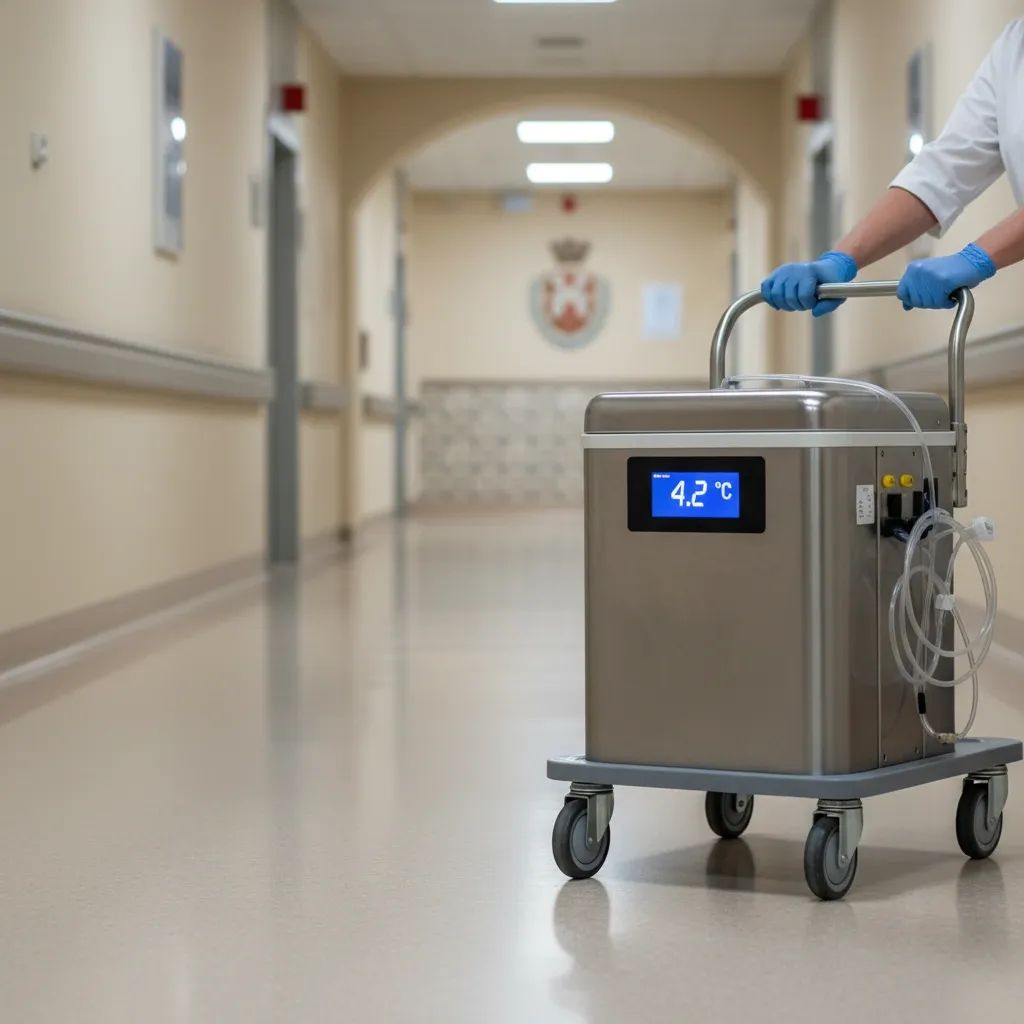
Forensic analysis has confirmed that the transplanted heart showed tissue damage consistent with improper temperature exposure during transport. Under European organ transport standards, organs must be maintained at precisely controlled temperatures using approved methods. Investigators suspect the refrigerated transport container used in this case deviated from established protocols, potentially compromising the organ before it reached the operating table.
Accountability Measures and Systemic Response
The Caliendo case has exposed vulnerabilities in Italy's organ transport chain. The Campania regional health system has come under scrutiny following revelations that the Monaldi transplant center had been operating under repeatedly renewed temporary authorizations without comprehensive inspections mandated by law. That administrative oversight allowed structural and procedural deficiencies to persist while the center continued performing high-risk surgeries on vulnerable patients.
Health Minister inspectors were immediately dispatched to Monaldi following the child's death, and the facility's transplant program remains under enhanced oversight. The case has prompted retrospective reviews of previous transplant cases at the same hospital, suggesting the problems may have extended beyond this single incident.
Prime Minister Giorgia Meloni personally contacted the boy's mother to express solidarity and pledge that justice would be served, amplifying the case's visibility and placing sustained political pressure on health authorities to implement reforms.
National Regulatory Response
Italy's transplant network is generally recognized as one of Europe's most efficient systems. However, this case has accelerated updates to national transplant transport standards. Recent regulatory initiatives focus on improving equipment standardization, training protocols, and data systems across regions to eliminate disparities in transplant logistics.
The investigation is examining every link in the chain, from organ procurement in Bolzano to postoperative care in Naples. While Oppido and Bergonzoni have been publicly named, the five additional medical professionals under investigation remain unnamed in public filings, with their specific roles still undisclosed.
What This Means for Residents
For anyone living in Italy who relies on the country's transplant system—whether as a potential recipient, donor family, or healthcare worker—this case underscores both the capabilities and the accountability mechanisms embedded in the national organ network.
The suspension of experienced surgeons during a high-profile investigation may raise concerns about transplant program capacity, but it also demonstrates that Italy's medical licensing system enforces standards consistently, even against senior physicians. For current transplant patients, enhanced oversight at facilities like Monaldi provides additional safeguards, though some families may experience longer evaluation periods as programs implement improved protocols.
Italian law allows for culpable homicide charges when death results from professional negligence. If convicted, defendants could face prison sentences and permanent disbarment from medical practice, though the trial phase remains months away.
The institutional response—transparent judicial action, rapid inspections, and regulatory updates—signals a system capable of addressing failures and implementing corrections. But for the Caliendo family, no procedural reform can restore what was lost, a reality that underscores the human stakes inherent in any medical system, regardless of how efficient its infrastructure appears.


