
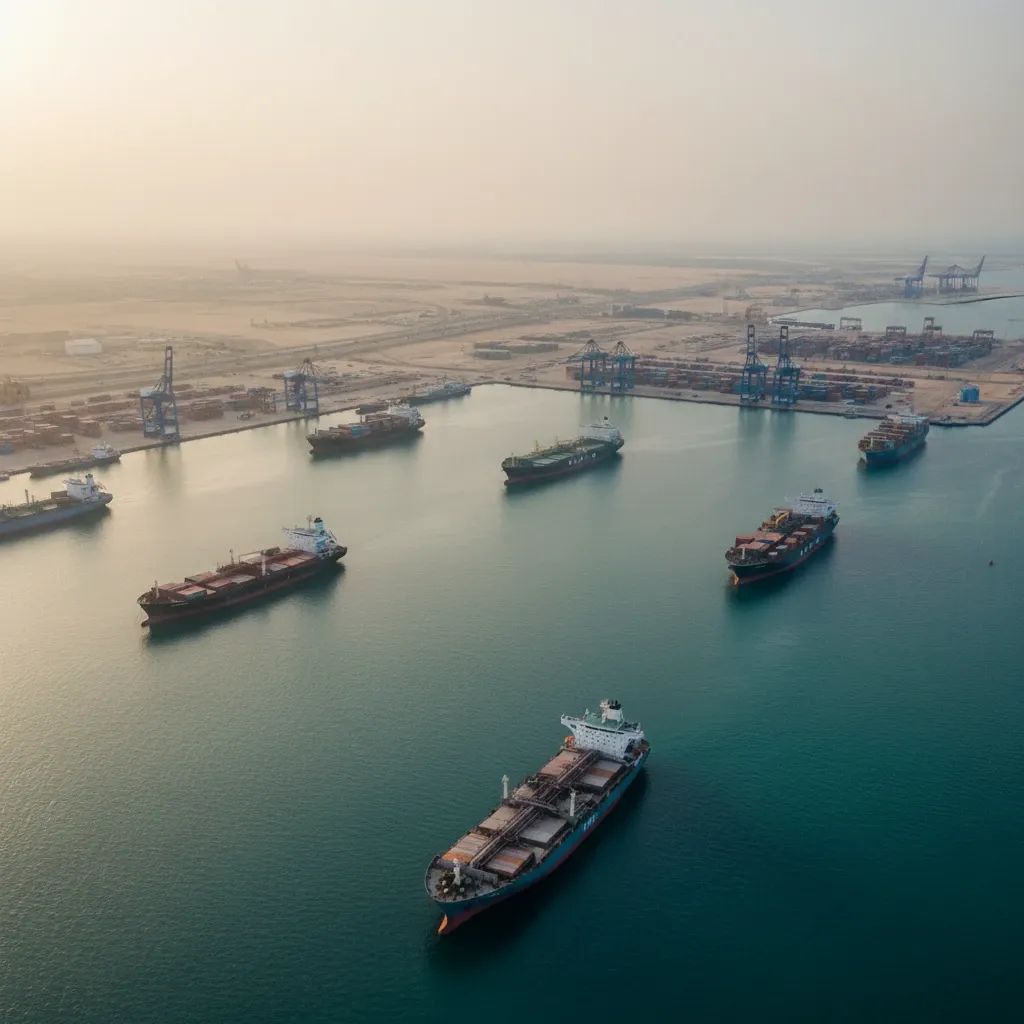
The Italian energy market is facing renewed volatility as natural gas prices swing sharply on Europe's benchmark Amsterdam TTF exchange, driven by ongoing instability surrounding the Strait of Hormuz. On Monday, futures for June delivery surged 4.05% to €52.2 per megawatt-hour (MWh) at the opening, before settling slightly lower at €50.35/MWh by session close—a modest 0.4% gain that reflects trader caution about supply disruptions and geopolitical uncertainty.
Why This Matters
• Household bills climbing: The crisis in the Gulf is pushing natural gas prices higher, meaning Italian families will face significant increases in energy costs during coming months.
• Industrial costs soaring: Businesses that depend heavily on gas are bracing for substantial cost pressures, particularly in energy-intensive sectors.
• Hormuz choke point: A considerable share of global liquefied natural gas (LNG) transits the strait, and ongoing access restrictions are keeping risk premiums embedded in pricing.
• Summer relief uncertain: While reduced heating demand typically eases prices in warm months, current market conditions suggest elevated rates could persist if tensions continue.
The Geopolitical Anchor Driving Prices
The Strait of Hormuz remains at the center of global energy concerns. Tehran has stated the strait would reopen "only for friendly vessels," creating conditions of selective access that leave markets jittery and risk premiums elevated. The waterway is critical for global energy flows, and any disruption cascades through supply chains worldwide.
The situation underscores how geopolitical friction in a single strategic chokepoint can reverberate across continents, affecting energy prices from Italy to Northern Europe. Markets remain on edge regarding the duration and scope of restrictions, with traders pricing in substantial uncertainty about when normal commercial traffic will resume.
Adding to the strain, production facilities in the region have faced disruptions, further constraining global LNG availability and putting upward pressure on European benchmark prices.
How Italy Feels the Squeeze
Italy remains significantly exposed to global gas shocks, importing the vast majority of its natural gas supplies. The nation's energy security depends on stable international markets and unimpeded supply routes. Current price pressures will inevitably flow through to utility bills for households and operating costs for businesses across the economy.
TTF prices currently reflect elevated risk premiums due to Hormuz uncertainty. That upward pressure translates into higher wholesale electricity benchmarks, which form the basis for retail energy tariffs. For Italian households and businesses, the practical impact will be visible on utility statements in the coming months.
What the Markets Are Pricing In
The Amsterdam TTF opened Monday at €52.2/MWh before settling at €50.35/MWh by close, with intraday trading reflecting trader reactions to Iran's conditional reopening statement. Market volatility remains high as participants digest the implications of ongoing supply restrictions.
Analysts note that current pricing already incorporates a geopolitical risk premium tied to Hormuz uncertainty. The trajectory of prices in coming weeks will largely depend on whether diplomatic efforts yield a durable resolution and commercial traffic normalizes. Should tensions ease and supply routes reopen, markets could see relief; prolonged disruption would likely keep prices elevated through summer and into autumn.
The European Commission has stated that immediate supply security is not at acute risk, thanks to diversification efforts since 2022 that reduced reliance on Russian pipeline gas and boosted imports from alternative sources including Norway, the United States, and North Africa. However, the Commission acknowledges that extended Hormuz disruptions could complicate regional energy balancing.
What This Means for Residents and Businesses
For households: Italian families will see higher gas bills reflected on utility statements in the coming months. Those on variable-rate contracts tied to wholesale benchmarks face immediate exposure to price volatility. Fixed-rate contracts signed before the crisis offers temporary insulation, but renewals this summer will reflect elevated market conditions.
For businesses: Energy-dependent sectors face cost pressures that could affect competitiveness and operating margins. Companies are monitoring the situation closely and considering adaptation strategies as energy expenses rise.
For investors: Current market volatility and high gas prices are drawing attention to renewable energy alternatives and energy efficiency investments as long-term solutions to price volatility.
Context for Energy Policy
The Hormuz disruption underscores Italy's structural dependence on international energy markets and reinforces the importance of transitioning toward renewable sources. The Italian National Energy Strategy aims to increase renewable deployment and reduce fossil-fuel imports over the coming years, though implementation faces permitting and infrastructure challenges.
High energy prices also revive periodic policy debates about energy independence strategies, though most economists emphasize that accelerating renewable deployment and grid modernization offer more sustainable solutions than emergency measures.
The Bigger Picture
Natural gas remains a critical fuel in Europe's energy transition. The Hormuz blockade illustrates how geopolitical tension in a single waterway can reverberate across continents, affecting energy costs from Milan to Munich. For Italy, the lesson is clear: advancing renewable deployment and diversifying energy sources are both climate imperatives and economic necessities.
As of Monday evening, markets remain focused on Hormuz developments and diplomatic efforts. Energy traders, residents, and policymakers alike are watching international negotiations closely, understanding that resolution timelines will directly influence the pace of price moderation in coming weeks and months.


