
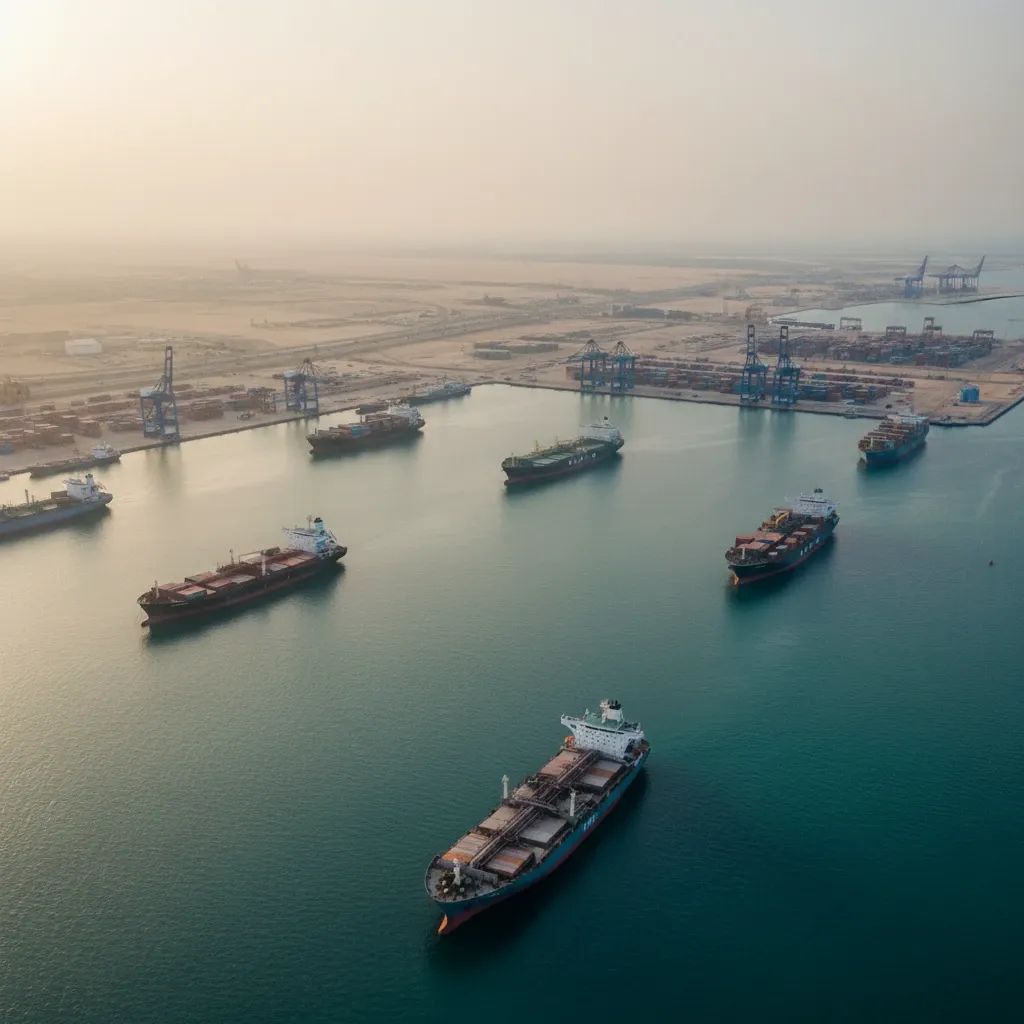
Iran's Parliament Formalizes Hormuz Strait Toll System
Iran's parliament has formally approved a toll system for vessels crossing the Strait of Hormuz, the critical waterway through which approximately one-fifth of global oil and liquefied natural gas supplies flow daily. This legislative action transforms what has been an informal toll collection practice—already underway since the start of regional hostilities—into official government policy, according to reports from the Fars News Agency.
Why This Matters for Italy
Italy relies on Middle Eastern energy supplies routed through the Strait of Hormuz, making the country directly exposed to any changes in passage conditions or costs. The formalization of toll collection could affect Italian fuel prices, electricity costs, and supply chain reliability for businesses dependent on maritime logistics through this critical corridor.
The Toll System
While Iran's parliament has asserted the country's authority to levy fees on vessels transiting the strait, the legislation does not establish a published tariff schedule. According to NBC News, ship operators have already been making payments—in some cases reportedly millions of dollars—to secure safe passage since the outbreak of regional conflict. The parliamentary vote gives this informal practice legal standing within Iran's domestic law.
The legislation also references cooperation with Oman, whose territory borders the opposite shore of the strait. To date, Oman has not issued a public statement regarding the toll arrangement.
Legal Questions
The United Nations Convention on the Law of the Sea (UNCLOS), which Iran has signed, guarantees the right of transit passage through straits used for international navigation. This principle is specifically designed to prevent coastal states from using geography to impose economic pressures.
Legal analysts note that under international maritime law, any toll must be non-discriminatory, transparent, and proportionate to maintaining navigational safety infrastructure. Iran's legislation contains no such specifications, raising questions about its compliance with established maritime conventions.
European Response
The European Union's External Action Service is assessing the situation, with discussion expected at the next Foreign Affairs Council. Italy's Ministry of Foreign Affairs is coordinating with Brussels and international partners on potential responses to safeguard maritime rights and energy security.
What Residents Should Know
For Italian consumers, the toll could have indirect effects on energy prices, depending on how shipping companies manage costs and whether they can pass expenses to suppliers and ultimately to end users. Businesses engaged in maritime trade or dependent on imported components face potential route planning changes and possible delays as operators reassess transit strategies.
The Strait of Hormuz remains open to international traffic, and no reports have emerged of vessels being denied passage since the parliamentary vote. However, the formalization of toll collection represents a significant policy shift with potential consequences for global energy markets and Italian supply chains.


