
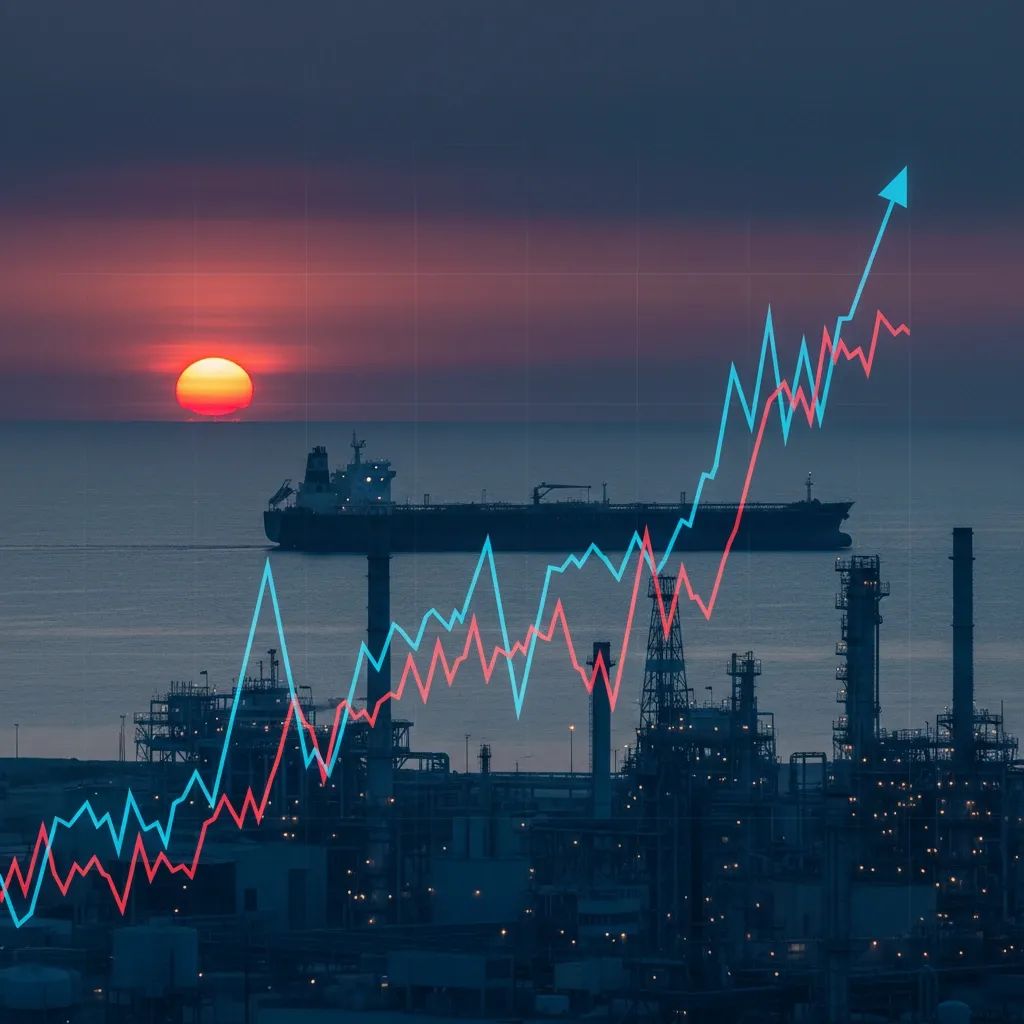
The Italian Confederation of Artisans and SMEs (Confartigianato) has issued a stark warning: the ongoing Iran crisis has cost Italy €1.6 billion in lost exports to the Middle East during March and April 2026, while simultaneously triggering a sharp spike in energy and raw material costs that threatens Italy's manufacturing sector.
This dual squeeze—lost markets combined with soaring input costs—represents what Confartigianato President Marco Granelli describes as a "tenaglia" (pincer effect) that could stall growth and erode the competitiveness of Italy's industrial supply chains in the months ahead.
Why This Matters
• Export collapse: Italy's Middle East exports fell 33% in the first quarter of 2026, with a 52.5% plunge in March alone—the steepest drop among major EU economies.
• Energy shock: Gas prices surged 38.3%, electricity 11.6%, industrial diesel 49.8%, and metals/minerals 39.3% year-over-year during the crisis window.
• Vulnerable sectors: Machinery, metallurgy, chemicals, and transport are bearing the brunt, with SMEs facing significant structural risk.
Italy Hit Harder Than EU Peers
During the March-April 2026 period, Italian firms saw Middle Eastern sales contract by a third compared to the same months in 2025, a deterioration that significantly outpaced the EU average. Germany recorded a 23.2% decline, while France saw exports drop by just 14%. Italy's March figure—a 52.5% contraction—was the worst performance among the bloc's major economies, underscoring the country's outsized exposure to the region.
The collapse comes at a critical juncture for exporters who rely on Middle Eastern markets, particularly those producing industrial machinery, chemical products, and metal goods.
The Cost Surge Behind the Squeeze
While demand craters, production costs are climbing at an alarming rate. During the three months of escalating tensions, Italian manufacturers have faced a 38.3% increase in natural gas prices, an 11.6% rise in electricity tariffs, and a near 50% jump in industrial diesel costs. Metals and minerals—essential inputs for manufacturing—have become 39.3% more expensive year-over-year on average.
These cost pressures are hitting energy-intensive sectors particularly hard. Manufacturing firms across ceramics, glass, chemicals, and steel production are grappling with skyrocketing energy bills that threaten margins already thinned by global competition.
The transport and logistics sector faces its own set of challenges. Surging fuel costs, combined with rising maritime insurance premiums due to geopolitical tensions, have inflated shipping expenses. Small and medium-sized exporters, who lack the scale to negotiate favorable freight rates, are feeling the pinch most acutely.
What This Means for Italian Manufacturers
The combined effect of collapsing export demand and inflating input costs creates a dangerous feedback loop. Companies that have historically relied on Middle Eastern markets are now forced to either absorb margin compression or seek alternative buyers in an uncertain global environment.
For SMEs, which constitute the vast majority of Italy's manufacturing base, the situation is especially precarious. Unlike multinational corporations with diversified revenue streams, small firms often lack the financial cushion to weather prolonged revenue shocks or the logistical infrastructure to pivot quickly to new markets. Confartigianato estimates that energy cost increases alone could add substantial annual expenses for Italian businesses, a burden that many smaller operators cannot shoulder without difficult choices about payrolls and investment.
Outlook: Navigating the Crisis
Italian manufacturers face significant uncertainty in the months ahead. The combination of reduced Middle Eastern market access and elevated energy costs poses a real threat to competitiveness and profitability.
Industry groups and government trade bodies are encouraging firms to explore new markets and diversify their customer base. However, building new distribution networks and securing local partnerships requires time and capital that many SMEs simply do not have in abundance.
For Italy's manufacturers, the path forward depends on how quickly the international situation stabilizes and how effectively firms can adapt to new market realities. Without a swift resolution to current tensions, the "pincer effect" identified by Confartigianato could continue to squeeze profit margins and delay investment in Italy's industrial heartland.
The stakes are high for the broader Italian economy, which remains heavily reliant on manufacturing prowess and global market access.


