
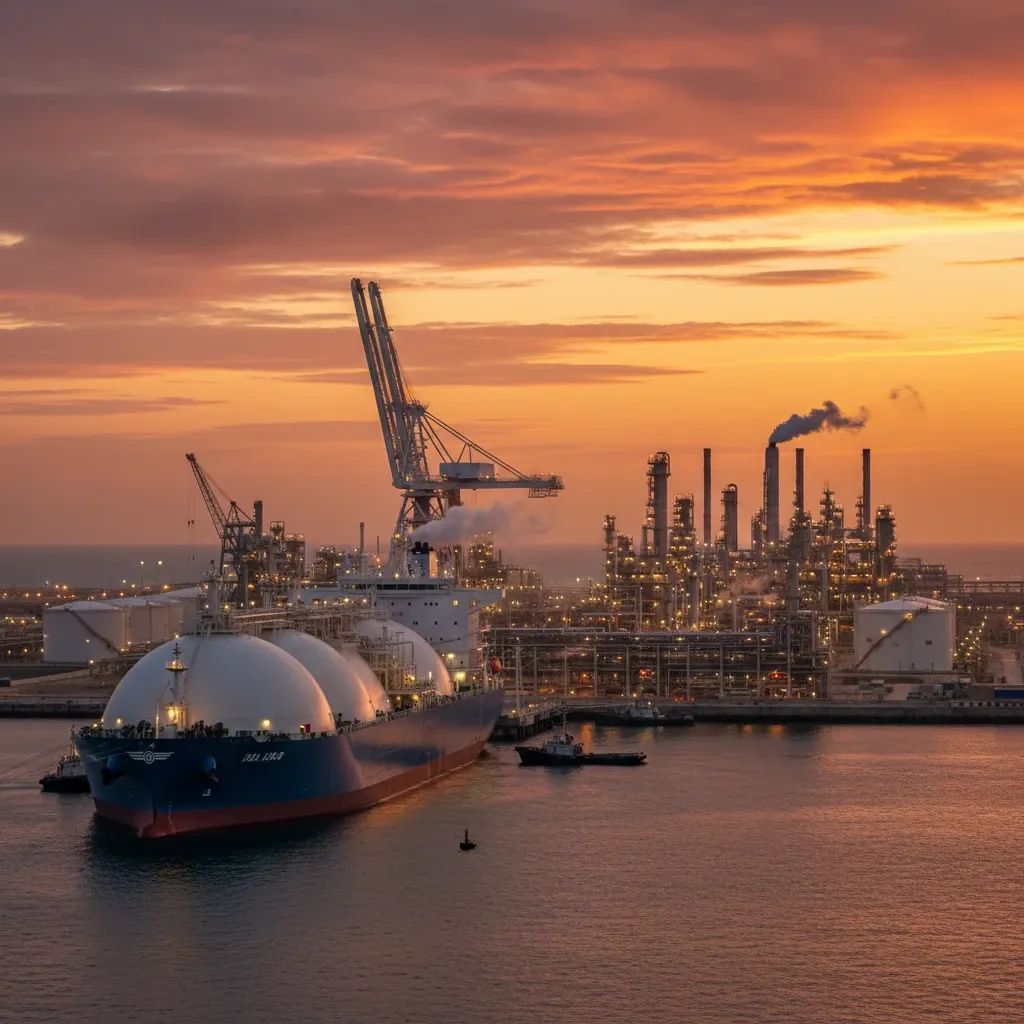
The International Energy Agency has confirmed what Italian households and businesses have been feeling in their utility bills: geopolitical tensions in the Middle East have disrupted the global liquefied natural gas market into what the agency describes as "unprecedented uncertainty." The closure of the Strait of Hormuz—a critical maritime chokepoint through which approximately 20% of the world's LNG supply transits—has triggered immediate price surges across Europe and Asia.
What the IEA Found:
• Energy prices have reversed course: After months of price relief through February 2026, European gas markets experienced sharp increases starting in March. The rebalancing that appeared underway—with 12% growth in global LNG trade and a 25% price decline—abruptly reversed as supply contractions began.
• Italy is exposed to price volatility: The country relies heavily on natural gas for energy needs, and disruptions to LNG supply affect Italian import costs regardless of direct sourcing. Price spikes ripple through European markets where Italy sources its gas.
• Supply is contracting significantly: The IEA reported an 8% year-on-year decline in LNG production following the Hormuz closure, with Qatar and the United Arab Emirates—major exporters—experiencing strong reductions in output.
• Prices have reached crisis levels: Gas prices climbed to heights not seen since January 2023, reflecting the severity of supply constraints and the limited alternatives available in the immediate term.
The Market Shift:
Between October 2025 and February 2026, conditions appeared favorable. Global LNG trade expanded, prices declined, and Europe benefited from expanded capacity coming online in North America. LNG covered significant portions of European heating and industrial demand over the winter season.
The March escalation changed the trajectory. The selective closure of the Strait of Hormuz by Iran—permitting passage only for vessels flagged by allied nations—severely restricted flows from Qatar and the UAE, the world's largest LNG producers. The disruption eliminated access to critical supply at precisely the moment when geopolitical risk premiums began affecting all available molecules.
Impact on Italian Residents and Businesses:
Italy's energy dependency and position in the European market mean that price volatility in global LNG directly affects household utility bills and industrial costs. Energy-intensive sectors face renewed pressure as production disruptions feed through to consumer prices with a lag. While Italian infrastructure improvements offer some long-term resilience, they cannot offset global supply constraints or lower prices in the near term.
The supply situation remains fluid. The IEA notes that while some replacement supply is coming from North America, current export capacity cannot fully compensate for losses from the Middle East. The agency projects that LNG markets will remain tight through 2027, with resolution dependent on resolution of the underlying geopolitical tensions affecting the Strait of Hormuz.
What Happens Next:
A ceasefire in late March temporarily reopened the strait, but tensions remain elevated. Iran has warned it will reimpose the blockade if the United States does not lift sanctions on Iranian facilities. Western powers maintain that pressure tactics are necessary to constrain regional activities. The uncertainty surrounding the blockade's duration leaves energy markets in a state of suspended tension—unable to plan with confidence and unable to access supply that was previously available.
For Italian policymakers and households, the message from the IEA is straightforward: the energy relief of early 2026 has evaporated, market conditions remain unpredictable, and stability will depend on geopolitical developments beyond energy markets. The path to lower, stable prices requires not just supply-side solutions but also resolution of the Middle East conflict driving the current disruption.


