
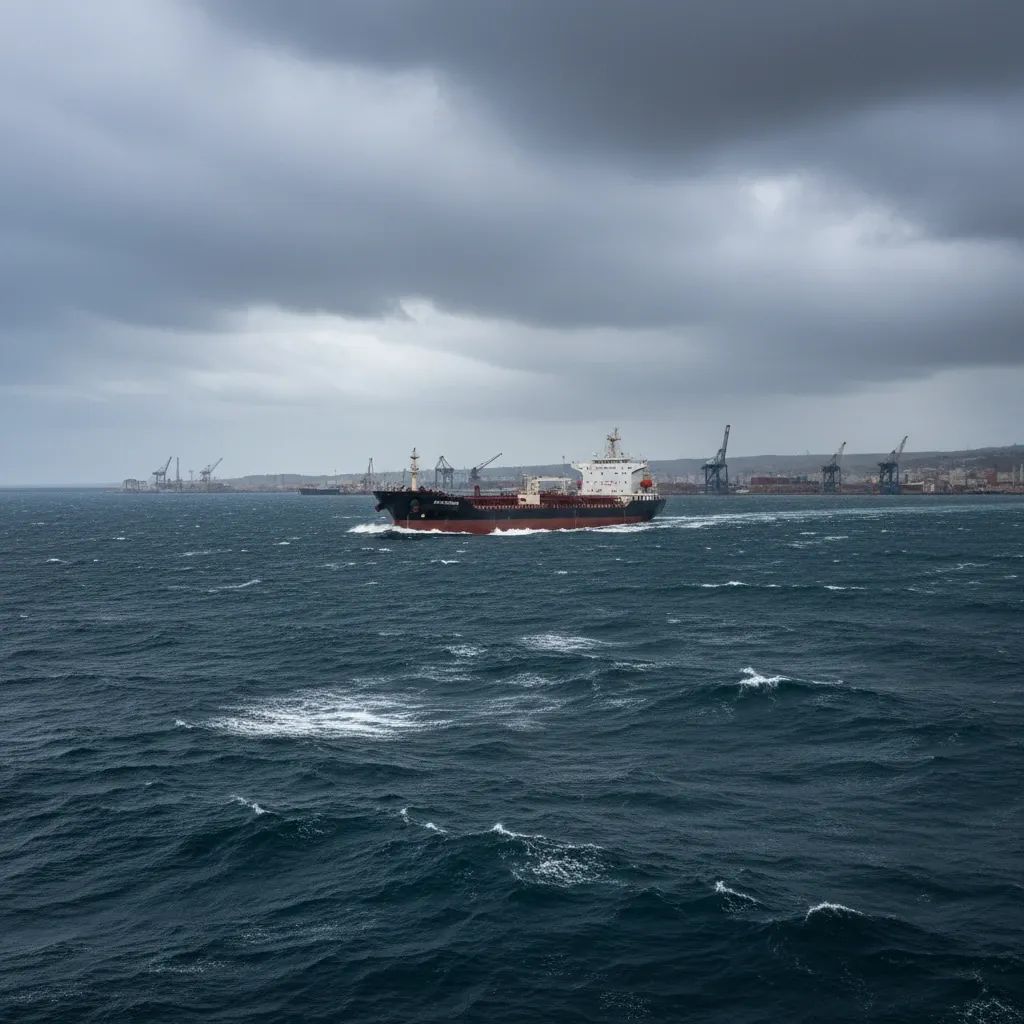
The Italy Ministry of Defense has issued a warning: shipping costs could surge by 30% to 40% as tensions in the Strait of Hormuz threaten one of the world's most critical energy corridors. The alert comes as Italian officials assess potential impacts on national energy security and consumer costs.
Why This Matters
• Energy prices: Any disruption in Hormuz could push oil and gas prices up, potentially affecting Italian households through fuel, heating, and food costs.
• Transport costs: Shipping companies may suspend routes or reroute via longer paths, adding time to delivery and driving up freight premiums.
• Broader implications: The crisis could impact Italian consumers and businesses dependent on stable energy and transport costs.
Defense Minister Addresses Parliament on Hormuz Risks
Guido Crosetto, Italy's Defense Minister, delivered a briefing to Parliament's Foreign Affairs and Defense Commissions today, highlighting the economic significance of the Strait of Hormuz. Crosetto emphasized that 20% of the world's crude oil and more than 30% of global LNG pass through this strategic waterway—a chokepoint barely 21 nautical miles wide at its narrowest.
"Even a partial reduction in traffic or a perceived increase in tension is sufficient to trigger immediate price shocks," Crosetto told lawmakers, underscoring that energy security represents a critical concern for Italy's economy and citizens.
What This Means for Italian Consumers and Businesses
Italy's economy faces potential pressure from energy and transport cost increases tied to the Hormuz situation. Given that 86% of Italian goods travel by road, any spike in fuel costs could ripple through consumer prices and business operations.
The price of crude oil remains a key variable. If Brent crude rises significantly above current levels, Italian manufacturers and households could face sharply higher costs across multiple sectors, from fuel to groceries to heating. Logistics operators and transport businesses would face particular pressure from elevated shipping and fuel expenses.
Italian and EU Naval Response
Italy participates in international maritime operations in the region, including Operation AGENOR, the military component of the European Maritime Awareness in the Strait of Hormuz (EMASoH) mission, which involves nine European nations employing warships and surveillance capabilities. Italy also plays a role in the EU naval mission protecting shipping in the Red Sea and broader Gulf region.
Given that over 60% of Italian imports and 50% of exports move by sea, Rome considers freedom of navigation a strategic objective and participates in regional security efforts accordingly.
Outlook: Focus on Energy Security
Defense Minister Crosetto's briefing reflects Italy's concern about maintaining stable energy supplies and managing potential cost pressures for consumers and businesses. The government is monitoring developments and assessing the implications for Italy's economic and energy security.
For Italians, the key takeaway is that international maritime security and energy stability directly affect household budgets, industrial production, and consumer prices. As the situation in the Strait of Hormuz remains uncertain, energy costs and related consumer expenses bear close watching in the months ahead.


