The United States military has launched fresh strikes against Iranian Revolutionary Guard positions near the Strait of Hormuz, escalating a confrontation that threatens global energy supplies and could drive fuel costs higher across Europe, including Italy.
Why This Matters:
• Trade disruption: The Strait handles 20% of global oil shipments—any prolonged closure would force tankers to circumnavigate Africa, adding significant costs to shipping.
• Energy price risk: Benchmark Brent crude has moved higher following U.S. military operations, with analysts warning of continued price volatility if the standoff intensifies.
• Regional tensions: Iran has responded with military activity, escalating the confrontation beyond Hormuz itself.
The Latest Strikes
U.S. forces targeted missile systems, air-defense installations, and Revolutionary Guard patrol craft around the strategic waterway, according to reports confirmed by American officials. President Donald Trump stated that the strait remained "open" and that Washington had "hit them hard."
The operation marks the latest escalation in growing U.S.-Iran tensions in the region. The U.S. has targeted Iranian military assets in recent operations, aiming to maintain freedom of navigation and protect commercial shipping. Assets targeted include surface-to-air missile systems and surveillance infrastructure.
Iran's Response
Tehran announced it was closing the Strait of Hormuz "until further notice" after an incident involving the M/V GFS Galaxy, a Cyprus-flagged container ship. Iranian authorities said the vessel had not complied with course-change directives. A second vessel was also attacked during the escalation.
Iran's Revolutionary Guard followed up by launching missiles and drones at American installations and regional facilities across the Gulf.
Choke Point Economics
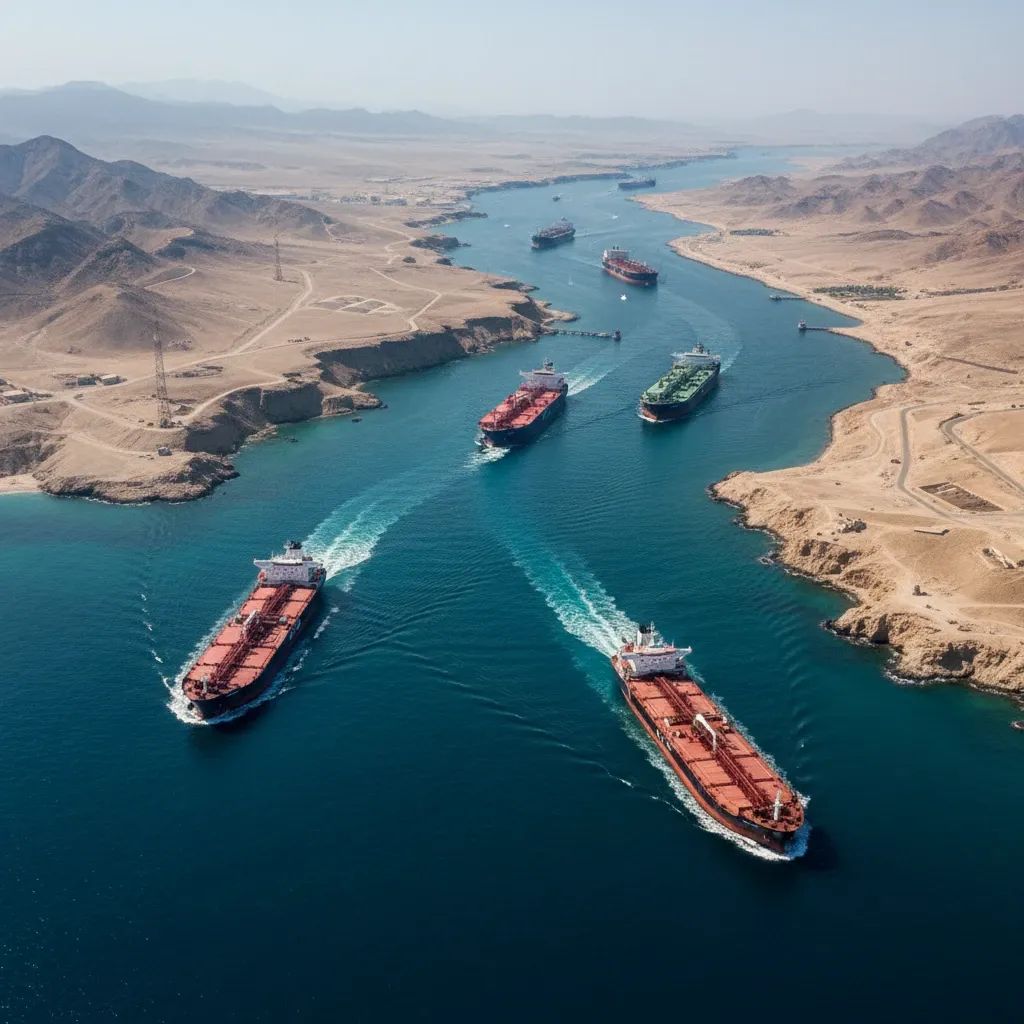
The Strait of Hormuz is the world's most critical energy bottleneck, funneling roughly 20-25% of seaborne oil and approximately 20% of liquefied natural gas (LNG) through a passage only 33 kilometers wide at its narrowest point. The waterway is also crucial for global fertilizer shipments, petrochemicals, and other commodities.
Even without a formal blockade, the threat alone impacts traffic patterns. During previous crises, daily transits have fallen significantly. Insurers respond by hiking war-risk premiums, making some routes economically challenging for operators. Tankers rerouted around the Cape of Good Hope face an additional 10-14 days at sea and substantially higher fuel costs.
For countries heavily reliant on Gulf imports—including much of Europe—the disruption poses supply risks and inflationary pressure.
What This Means for Residents
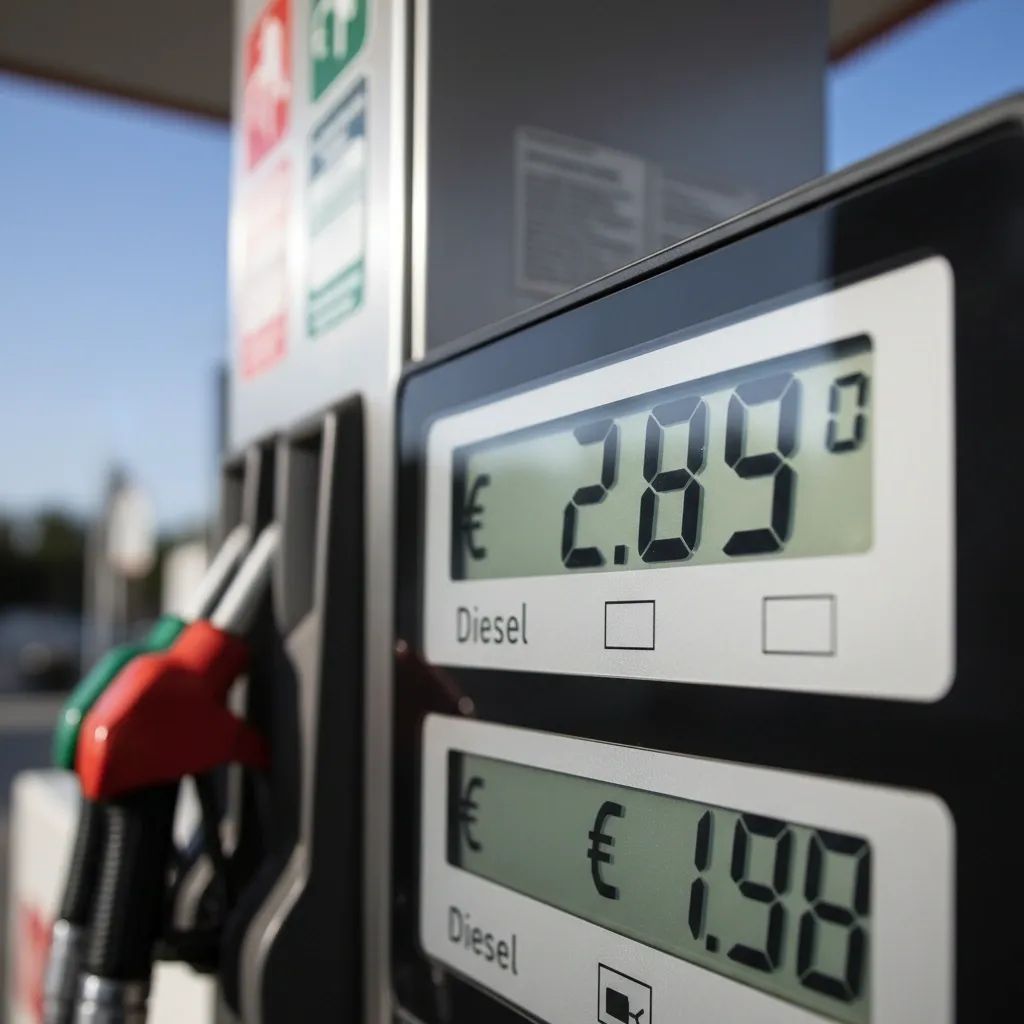
Italy imports a significant share of its refined petroleum products and petrochemicals from Gulf producers, and any sustained spike in crude prices feeds directly into pump prices, electricity tariffs, and heating bills. Transport and logistics companies operating in Italy are already feeling pressure from elevated fuel costs, which eventually translate into higher prices for consumer goods.
The fertilizer supply chain is equally vulnerable. A prolonged crisis or elevated security environment could tighten imports of ammonia and urea, raising input costs for Italy's agricultural sector and, in turn, food prices at the supermarket.
Beyond the immediate cost impact, the conflict creates uncertainty for European economic policy. Central bankers had signaled a cautious approach to borrowing costs, but a new oil-price shock could force reconsideration, potentially affecting mortgage rates and business credit conditions.
International Response
European allies have reaffirmed their commitment to freedom of navigation but have taken measured stances on military involvement. Germany and Spain have both stated that the Hormuz crisis is not primarily a NATO matter and that alliance operations do not extend to the Middle East theater.
France and the United Kingdom are working with regional partners on separate maritime-security initiatives. NATO has confirmed that contingency planning is underway but has carefully avoided language committing the alliance to direct combat operations.
Diplomacy Under Strain
United Nations Secretary-General António Guterres has urged all parties to halt operations against commercial vessels and civilian infrastructure. International efforts to de-escalate the crisis are ongoing, but tensions remain high.
The Road Ahead
CENTCOM and allied maritime authorities insist the Strait remains navigable, albeit at reduced volumes. Commercial operators report mixed conditions: some tankers are proceeding with enhanced security measures, while others are waiting outside the Gulf until the security situation stabilizes.
Market analysts expect continued volatility in energy prices as long as the U.S.-Iran standoff persists. For households and businesses in Italy, experts advise to prepare for higher fuel surcharges on freight, potential delivery delays for Gulf-origin goods, and upward pressure on heating and transport costs in the coming months. Whether the situation de-escalates or intensifies will determine how long these pressures persist.