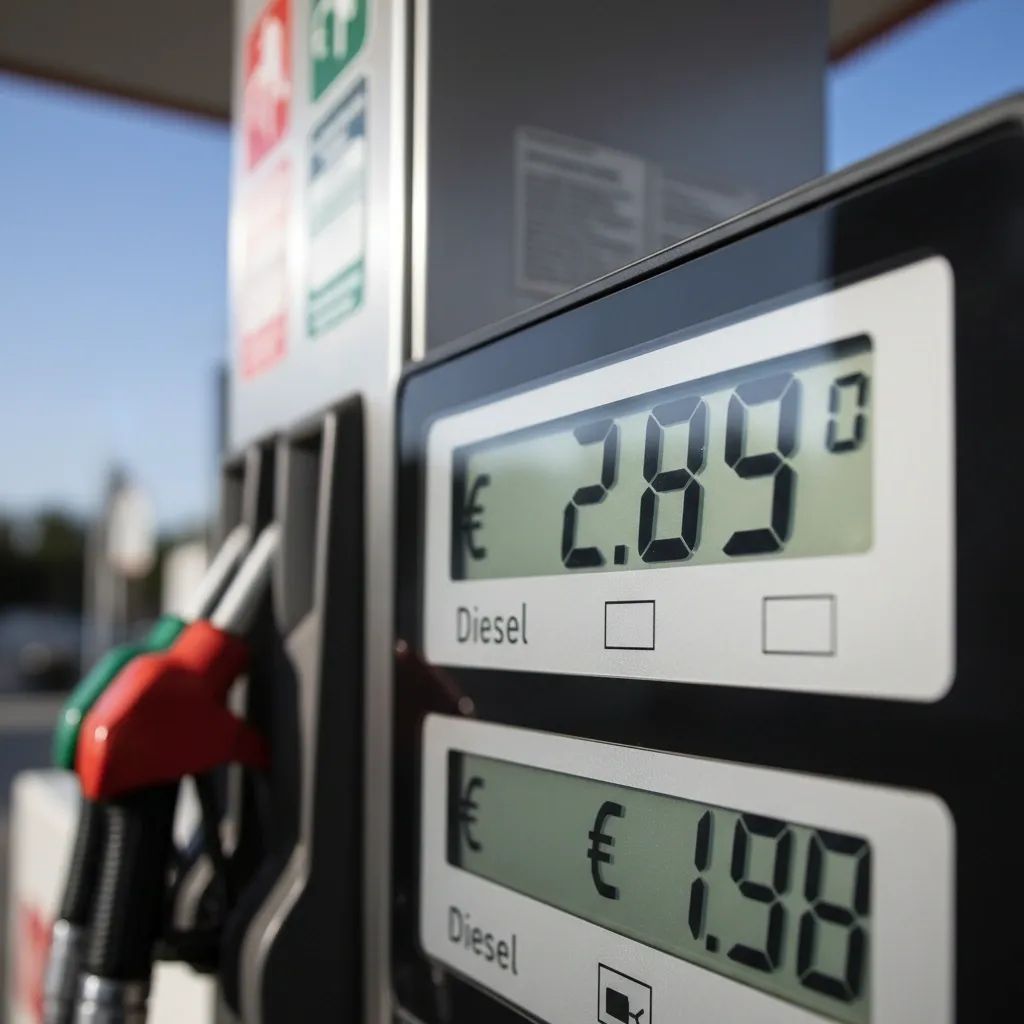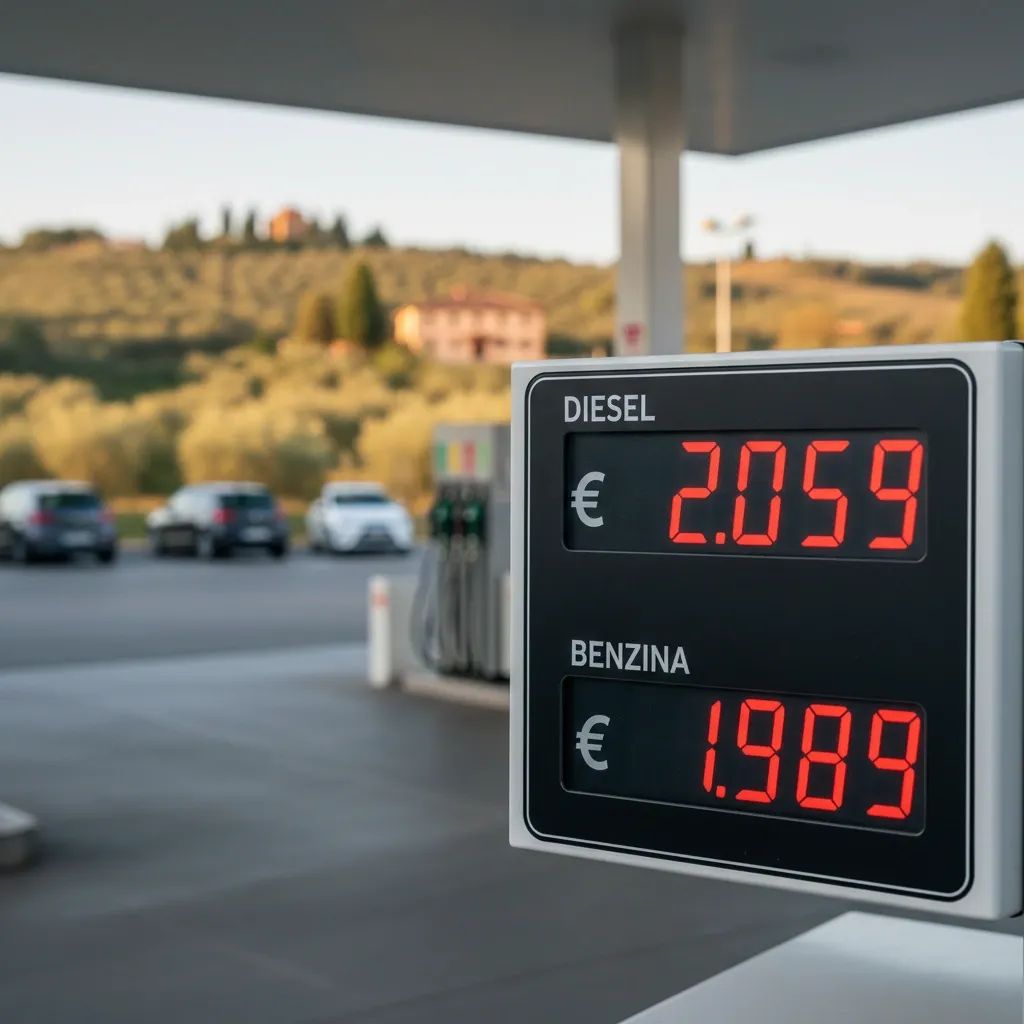
The Italy Ministry of Enterprise and Made in Italy (Mimit) has recorded another consecutive day of fuel price increases, pushing self-service petrol to €1.879 per liter on the national road network as of today, up from €1.877 yesterday. Diesel climbed to €1.988 per liter from €1.985. For drivers who refuel on highways, the burden is heavier: petrol averages €1.969 per liter, while diesel has crossed the €2.065 threshold.
Why This Matters
• Filling up costs more: A typical 50-liter tank now runs over €93 for petrol and nearly €100 for diesel on highways.
• The increase outpaces the tax change: Prices have risen by €0.074 per liter for petrol and €0.103 for diesel in just eight days, according to consumer watchdog Codacons—more than the €0.061 excise tax restoration alone.
• Geopolitical risks aren't priced in yet: Analysts warn that renewed US-Iran tensions could push prices even higher in coming weeks as crude oil volatility filters through to retail pumps.
What Drove Prices Higher
Italy's decision not to extend the temporary fuel excise tax cut after July 3 triggered the initial jump. That discount, worth approximately 6 cents per liter including VAT, had cushioned consumers since early 2024. Its expiration handed the government an immediate fiscal gain but left households and hauliers facing a sharp bill increase.
Yet the excise restoration tells only part of the story. Codacons points to a broader pricing dynamic: between July 4 and today, petrol climbed 7.4 cents and diesel rose 10.3 cents—far exceeding the nominal tax increase. The consumer group argues that oil companies are marking up retail prices faster than wholesale costs justify, a practice it describes as speculative pricing on older, cheaper inventory.
Simultaneously, international crude benchmarks have climbed on fears of supply disruptions in the Strait of Hormuz, the chokepoint for roughly one-fifth of global oil traffic. Brent crude spent several weeks above $100 per barrel in May and June, and while prices softened briefly, the latest flare-up between Washington and Tehran has reignited futures volatility. Refined product quotations—gasoline and diesel—have also surged independently, compounding the squeeze on Italian pump prices.
A third, quieter factor is the European Union's mandatory biofuel blend increase that took effect in January 2026. Refiners must now incorporate a higher percentage of biodiesel and bioethanol, adding roughly 2 cents per liter to production costs—a requirement designed to lower transport emissions but one that feeds directly into the retail price.
What This Means for Residents
For a household running a diesel car with a 50-liter tank, the cumulative effect of these forces translates to an extra €5.10 per fill-up compared to early July. Extrapolated over a year, assuming two tanks per month, that's an additional €122 in direct fuel costs. Families with two vehicles or those who drive for work face double or triple that burden.
The indirect impact may prove even steeper. Higher diesel prices ripple through logistics networks: freight companies, delivery services, and agricultural operators all pass increased fuel costs down the supply chain, ultimately landing on supermarket shelves, restaurant menus, and utility bills. Industry estimates suggest a family of four could absorb between €1,500 and €3,000 in additional costs between June and September when factoring in fuel, lodging, flights, and ferries—a sobering prospect for summer holiday budgets.
Commuters in regions with limited public transit—particularly in southern Italy and rural areas—bear the brunt. Many have no alternative to the private car, making fuel expenses a fixed, non-negotiable line item in monthly budgets.
The Tax Burden Context
Italy consistently ranks among Europe's highest-taxed fuel markets. Excise duties on petrol and diesel are fixed per-liter levies, independent of crude oil prices, and the country applies a 22% VAT calculated not only on the fuel itself but also on the excise—effectively a tax on a tax. This compounding structure means that even modest changes in pre-tax prices or duties translate into outsized movements at the pump.
The decision to let the excise cut expire reflects fiscal priorities: Italy's public finances remain under scrutiny from Brussels, and every euro of fuel-tax revenue helps narrow the deficit. Yet the move has drawn sharp criticism from consumer groups and opposition lawmakers, who argue the government is balancing its books on the backs of working families and small businesses already squeezed by inflation.
The Italy Cabinet is reportedly exploring a variable excise mechanism that would automatically reduce duties when crude prices spike beyond a certain threshold, then restore them when markets cool. If implemented, such a system could dampen future price volatility, but no timeline or details have been announced.
Highway Premium Persists
The gap between road-network and highway prices remains substantial: petrol costs 9 cents more per liter on the autostrada, and diesel is 7.7 cents dearer. This premium reflects not only higher operating costs for motorway service stations—rent, staffing, logistics—but also limited competition. Drivers often have no choice but to refuel at the next available station, and operators price accordingly.
For long-distance travelers and freight haulers, this markup is unavoidable. A truck making a Milan-to-Naples run consumes several hundred liters, turning the highway diesel premium into a material cost disadvantage for haulage firms.
What Comes Next
Market watchers are divided. The US Energy Information Administration forecasts Brent crude averaging $74 per barrel in the third quarter of 2026, then falling toward $65 in 2027 as global production outpaces demand. If that scenario unfolds, Italian pump prices could ease by autumn—provided the government does not offset lower crude costs by raising excise duties elsewhere.
However, geopolitical risk remains the wild card. Any escalation in the Middle East that threatens tanker traffic or disrupts refining capacity could send prices sharply higher, potentially breaching €2 per liter for petrol on the national network—a psychological and economic threshold that would intensify public pressure on Rome to intervene.
For now, Italian drivers face a summer of elevated costs with little near-term relief in sight. Observers will be watching both crude futures and the government's next fiscal moves to gauge whether autumn brings respite or a fresh round of sticker shock at the pump.