
Iran has transmitted a new diplomatic proposal to the United States via Pakistani intermediaries, offering to reopen the strategically vital Strait of Hormuz while postponing all nuclear program negotiations to a later stage—a gambit aimed at breaking a months-long standoff that has sent global oil prices soaring and disrupted supply chains from Europe to Asia. This unfolding scenario in April 2026 carries immediate implications for energy costs across Italy and Europe.
Why This Matters
• Energy prices: The blockade has driven Brent crude toward $100–130 per barrel and lifted European natural gas quotes by over 25% since March.
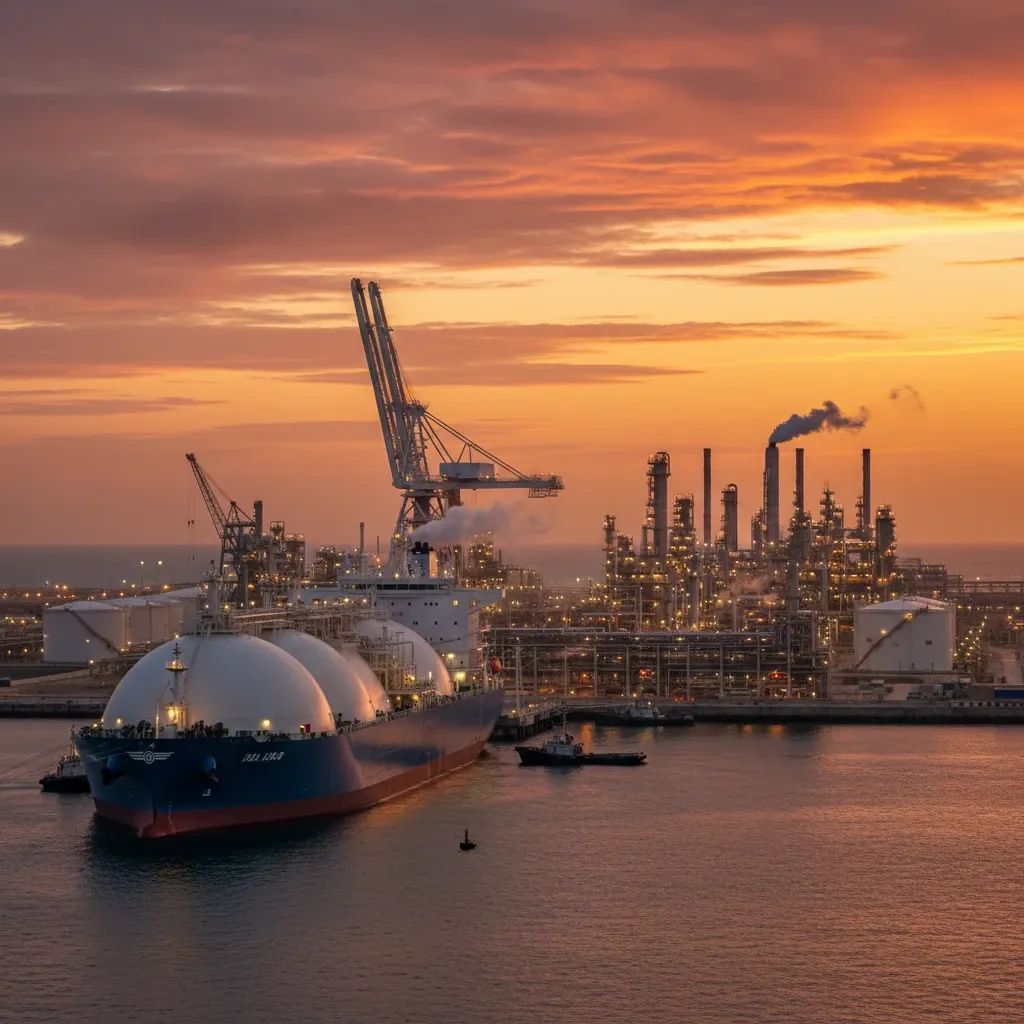
• Supply disruption: Approximately 20–25% of the world's seaborne oil and 20% of liquefied natural gas (LNG) shipments transit Hormuz daily; closure costs the global economy an estimated $20 billion per day in lost output.
• Regional spillover: Pakistan's mediation reflects its 90% dependence on oil imports through the strait, while Italy—heavily reliant on Middle Eastern crude and East Asian manufactured goods—faces renewed inflation risks if the impasse persists.
The Economic Reality for Italy and Europe
For households and businesses across Italy, the Hormuz standoff translates into immediate pressure at the pump and on utility bills. Brent crude futures have climbed from the mid-70s in February to a range that European refiners last saw in the weeks after Russia's 2022 invasion of Ukraine. TTF natural-gas prices at the Dutch hub—the continent's benchmark—jumped more than 25% in a matter of weeks, threatening to reverse the disinflation progress central banks worked years to secure.
Industrial buyers face a double squeeze: higher feedstock costs and logistical chaos. Ships that once sailed directly from the Persian Gulf to Genoa or Trieste now detour around the Cape of Good Hope, adding 10–15 days to transit times and tripling freight rates on key lanes. Sectors dependent on petrochemical intermediates—plastics manufacturers in the Po Valley, for instance, or nylon producers sourcing cyclohexane—are already reporting order delays and force-majeure clauses. Port congestion is building at Rotterdam, Antwerp, and other European hubs as shippers scramble for alternative storage and transshipment slots.
What Italian Residents Should Know
Italy's energy landscape makes it particularly vulnerable to Hormuz disruptions. Approximately 35% of Italy's crude oil imports flow through the strait, making Italian refineries among Europe's most exposed. Northern industrial regions—Lombardy's chemical plants and Tuscany's textile manufacturers—depend heavily on Asian components that now face extended delivery times.
For Italian households, the practical impact is significant. Motorists who paid an average of €1.65 per liter for petrol in February can expect prices to climb toward €1.85–1.95 per liter by late spring, adding approximately €15–20 per month to fuel costs for typical commuters. Heating oil consumers in the north face similar pressures, with potential monthly increases of €20–30 for households relying on oil-based systems.
The Italian government has announced preparedness measures, including strategic petroleum reserve releases and discussions with refiners about price stabilization. Consumer advocacy groups recommend residents lock in energy contracts now if possible, particularly for heating and electricity renewals. Additionally, the South Italian regions—less industrialized and more dependent on public transport—face comparatively lower direct impacts than manufacturing-heavy northern provinces like Emilia-Romagna and Veneto.
The Iranian Gambit: Diplomatic Stalemate
Tehran's April overture, delivered through Pakistani channels, separates military de-escalation from the more contentious nuclear dossier. According to people familiar with the proposal, Iran's Revolutionary Guard Corps (IRGC) would lift its interdiction of merchant vessels and remove mines laid since early March, while Washington would end its counter-blockade of Iranian ports and cease boarding ships bound for the Islamic Republic. Both sides would commit to an extended cease-fire before discussing uranium enrichment and verification protocols.
"Controlling the Strait of Hormuz and maintaining the shadow of its deterrent effect is the ultimate strategy of the Islamic Iran," the Pasdaran declared via their official Telegram channel, underscoring how deeply Tehran values the chokepoint as a bargaining chip. Despite the diplomatic opening, significant hurdles remain. Iranian President Masoud Pezeshkian has insisted Tehran will not accept "imposed negotiations" under military threat, while the White House prefers to maintain maximum pressure until a comprehensive deal addressing the nuclear program is on the table.
Foreign Minister Araghchi consulted with Russian President Vladimir Putin, whose support Tehran values as a counterweight to American leverage. Moscow has its own interest in keeping oil prices elevated and is unlikely to press Iran toward rapid compromise. The IRGC's public declaration suggests hardliners view the blockade as too valuable a card to surrender cheaply.
Pakistan's Mediating Role and The Strait's Strategic History
Islamabad's emergence as the sole conduit between Washington and Tehran reflects geography and necessity. Prime Minister Shehbaz Sharif and Army Chief General Asim Munir are leveraging Pakistan's formal role as protecting power for Iranian interests and its longstanding ties to Riyadh, Beijing, and the West. For Pakistan, success would ease the economic pain of a neighbor facing 90% reliance on oil imports through Hormuz.
The Strait of Hormuz has been a flashpoint since the 1980s. On March 1, 2026, the IRGC Navy began stopping and diverting merchant ships after coordinated Israeli and U.S. strikes on Iranian facilities in late February. Three days later, the Guards formally declared the strait closed, deploying fast-attack craft and naval mines. The U.S. Fifth Fleet, based in Bahrain, responded by intercepting Iran-linked vessels, creating a de facto mutual blockade lasting seven weeks.
Looking Forward
Markets are pricing in a roughly even chance that some form of interim deal emerges by mid-year, allowing partial resumption of tanker traffic and a pullback in crude prices toward the $80–90 range. A more durable settlement remains distant.
For now, Italy and the rest of Europe find themselves hostage to a negotiation conducted thousands of kilometers away. Whether diplomacy succeeds—or whether the strait stays closed and prices climb higher still—will shape the continent's economic trajectory for the remainder of 2026. Italian residents should monitor government announcements regarding energy support measures and consider practical steps to mitigate household and business impacts during this period of elevated uncertainty.


