
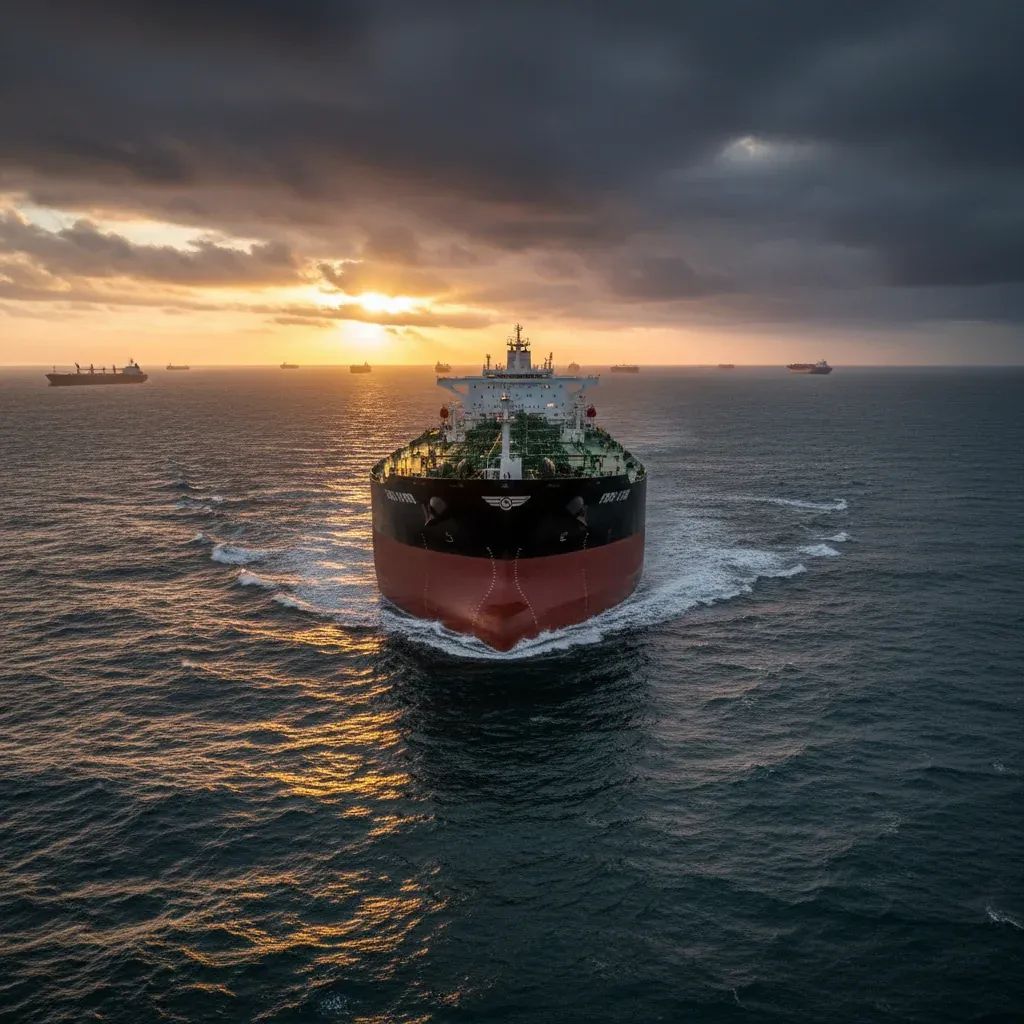
The National Consumer Union has released a stark accounting of how the conflict that erupted in February around the Strait of Hormuz has reshaped household budgets: heating oil prices have surged 32.6% in just over three months, claiming the top spot among consumer price increases since the crisis began.
Why This Matters
Top 12 Price Increases Since February:
Energy and Fuel:
• Heating oil: +32.6%
• Transport diesel: +17.5%
• Other transport fuels (LPG, natural gas, electric charging): +14.7%
• Gasoline: +13.5%
• Piped natural gas: +13.6%
Fresh Produce:
• Grapes, kiwis, melons, watermelons (stone fruits): +20.9%
• Stone fruits (apples, pears, apricots, cherries, peaches, plums): +20.3%
• Legumes (peas, green beans): +13.6%
• Citrus fruits: +11%
Transportation and Services:
• International air transport: +12.9%
• Maritime transport: +9.2%
Eight of the top twelve price increases stem directly from energy and fuel costs tied to the Strait of Hormuz closure. Another seven items reflect indirect effects: the higher cost of transporting and storing perishable goods such as fruit and vegetables, which require refrigeration and rapid delivery.
Energy Costs Dominate the Damage
The analysis by Massimiliano Dona, president of the consumer advocacy group, paints a picture of cascading economic harm. The heating oil surge leads all categories, followed by fresh produce—grapes, kiwis, melons, and watermelons—which have collectively jumped 20.9% as a category. Stone fruits such as apples, pears, apricots, cherries, peaches, and plums follow closely at 20.3% above February levels.
Transport diesel has climbed 17.5% despite Rome's excise duty reductions, costing Italians significantly more since the conflict. Other transport fuels—LPG, compressed natural gas, and electric charging—have increased 14.7%. Legumes (peas and green beans) and piped natural gas have both risen 13.6%, while gasoline has recorded a 13.5% increase.
International air transport ranks high with a 12.9% rise, citrus fruits are up 11%, and strawberries and blueberries have gained 10%. Maritime transport costs have increased 9.2%, while vehicle rental is up 7.8%, and carrots, garlic, and onions have risen 7.6%. Hotels and lodging occupy the lower ranks at +7.3%, while potatoes show a 5.2% increase.
What This Means for Residents
For households, this translates into a double hit. Energy bills have climbed, while weekly grocery runs now cost noticeably more. A family buying stone fruit, citrus, legumes, and fresh vegetables is likely paying 15% to 20% more than in February, with some items crossing the 30% threshold on a month-to-month basis due to combined pressures from fertilizer costs, diesel prices, and logistic delays.
The Italy Ministry of Economy has deployed nearly €1.8 billion in measures to cushion the blow, including extended excise duty cuts on gasoline, diesel, LPG, and natural gas through early June. Decrees issued in mid-March and late May prolonged these reductions, yet the data suggests the relief has been insufficient to prevent sharp increases at the pump and in home heating costs.
Government Response Under Scrutiny
Dona's assessment is blunt: "What the government has done on the fuel front has been insufficient, while on the energy front, the nothing produced by the executive has allowed prices to take off."
The Italy Cabinet did introduce targeted tax credits. The road haulage sector received a €300 million credit to offset diesel expenses through June. Farmers gained access to a 30% tax credit on fertilizer purchases made in March, April, and May, capped at €40 million, alongside an increase to €90 million in support for agricultural diesel. Fishing enterprises secured a 20% credit on fuel expenditures over the same three-month window, limited to €10 million.
On the electricity and gas side, Rome enacted a "Decreto Bollette" in late February and early March. Households already qualifying for the social bonus received an additional €115 credit, lifting total discounts to €315 for vulnerable families.
How to Get Help: Understanding Your Eligibility
Social Bonus for Electricity and Gas
• Who qualifies: Households with an ISEE (Equivalence Economic Situation Indicator) below €9,796, or families with at least four children with ISEE below €20,000
• What you get: An additional €115 credit (total €315 in discounts) if you already received the social bonus
• How to apply: Visit your local municipality office (comune) or contact your utility company for details on application procedures and documentation needed
• Deadline: Applications are ongoing, but early submission is recommended
Tax Extensions for Self-Employed Workers
• Who qualifies: Self-employed workers and those in the flat-tax regime
• Extended deadlines: Taxes due at the end of June can now be paid by mid-July without penalties, or by mid-August with a modest 0.80% surcharge
Additional measures included incentives for utilities to offer voluntary discounts and reduced grid charges on business gas bills, while promoting long-term renewable power purchase agreements to stabilize corporate energy costs.
The Hormuz Factor
The Strait of Hormuz carries roughly 20% to 27% of seaborne oil and 20% of global liquefied natural gas. Its disruption in February triggered immediate price spikes. Brent crude climbed past $120 per barrel within weeks, and European gas contracts remained 40% above pre-conflict levels even after initial supply adjustments. Diesel and jet fuel approached $300 per barrel at major refining hubs, while Italy's benchmark electricity price—the PUN—surged 60% during peak tension.
For Italy, which imports substantial volumes of Qatari LNG transiting Hormuz, the shock was significant. While the European Union average fuel price increase hovered near 12%, Italy's gain was a more moderate 7% at the pump, reflecting a mix of government intervention, strategic reserves, and alternative supply routes. Nonetheless, the broader inflation rate ticked upward. National food inflation hit 3.10% in April year-on-year, with projections of 3.60% by the end of the quarter.
Agricultural input costs have compounded the damage. Urea fertilizer jumped 40% in a single month to reach €815 per ton around April, with further increases of 10% to 15% anticipated. Ammonium sulfate and ammonium nitrate recorded gains of 20% and 13% respectively. These inputs account for 15% to 30% of farm production expenses, and their rise feeds directly into retail prices for vegetables, fruit, and grains.
Transport and Logistics Strain
Diesel represents 30% to 50% of total haulage costs. With pump prices exceeding €2.10 to €2.60 per liter—and topping €2.60 on motorways—freight operators face sustained margin pressure. The January excise duty increase of 4.05 cents per liter on diesel added to the burden, and while heavy commercial vehicles qualify for partial rebates, more than half the national fleet operates outside that scheme, leaving regional and urban distribution networks exposed.
Highway tolls rose 1.5% at the start of the year, adding another layer of expense. Maritime freight has been disrupted by longer transit times—25 to 30 extra days on Asia-Europe routes—and emergency surcharges of $2,000 to $4,000 per container, equivalent to roughly $200 per metric ton of cargo. For perishable goods such as fruit and vegetables, extended voyage durations raise spoilage risk and drive up refrigeration and handling costs.
Data from the Rome Agri-Food Center in March illustrated the retail impact. Cluster tomatoes jumped from €1.40 to €2.30 per kilogram, cherry tomatoes hit €2.40, courgettes reached €1.30, and bell peppers climbed to €3.00. Assoutenti, a consumer rights group, estimated that weekly fruit and vegetable spending could rise by €7 to €15 over the summer. Specific increases included 21% for aubergines, 19% for peas, 11% for courgettes, 10.8% for lemons, 10.4% for strawberries, and 9% for tomatoes.
Outlook and Economic Risks
Pre-conflict forecasts for 2026 had anticipated modest stability or even a slight decline in energy prices, with a potential household saving of around €200 annually. The PUN was expected to edge down 4%, and the PSV natural gas benchmark was projected to fall 25%. Instead, the Hormuz crisis has reversed those trends. Should the closure persist, European gas prices could approach €80 per megawatt-hour by December, and global recession scenarios envision a 0.4% contraction in world economic output—the third such downturn this century. The European Union GDP could shrink 1.5%, and Italy's growth, already forecast at a fragile 0.4% for the year by Oxford Economics and EY-Parthenon, risks tipping into negative territory.
The pressure on transport fuels, electricity, and food prices shows little sign of abating in the near term. The Italy Revenue Department and energy regulators continue to monitor supply chains and pricing behavior, but structural vulnerabilities—dependence on imported LNG, exposure to Middle Eastern shipping routes, and high logistics costs—remain unresolved.
For now, Italian households face a balancing act: managing higher bills, adjusting shopping habits, and hoping that diplomatic efforts or alternative supply arrangements will ease the strain.


