
The Italy Ministry of Economy faces mounting pressure as the three-month Iran conflict has already extracted €2.6 billion from Italian households through soaring energy and fuel costs, according to data released by price comparison platform Facile.it and corroborated by industry analysis.
Why This Matters
• Fuel costs represent the largest single drain, with benzina surging from €1.65/liter in February to over €1.90/liter by May—costing drivers roughly €202 extra annually.
• Households with indexed-rate energy contracts will pay an additional €172 over the next 12 months for combined electricity and gas.
• Trucking logistics face a €260 surcharge per 3,000 km route, feeding directly into retail prices across the country.
• The European Central Bank has warned Italy and Germany could slip into technical recession by year-end if the Strait of Hormuz blockade persists.
The Geographic Chokepoint
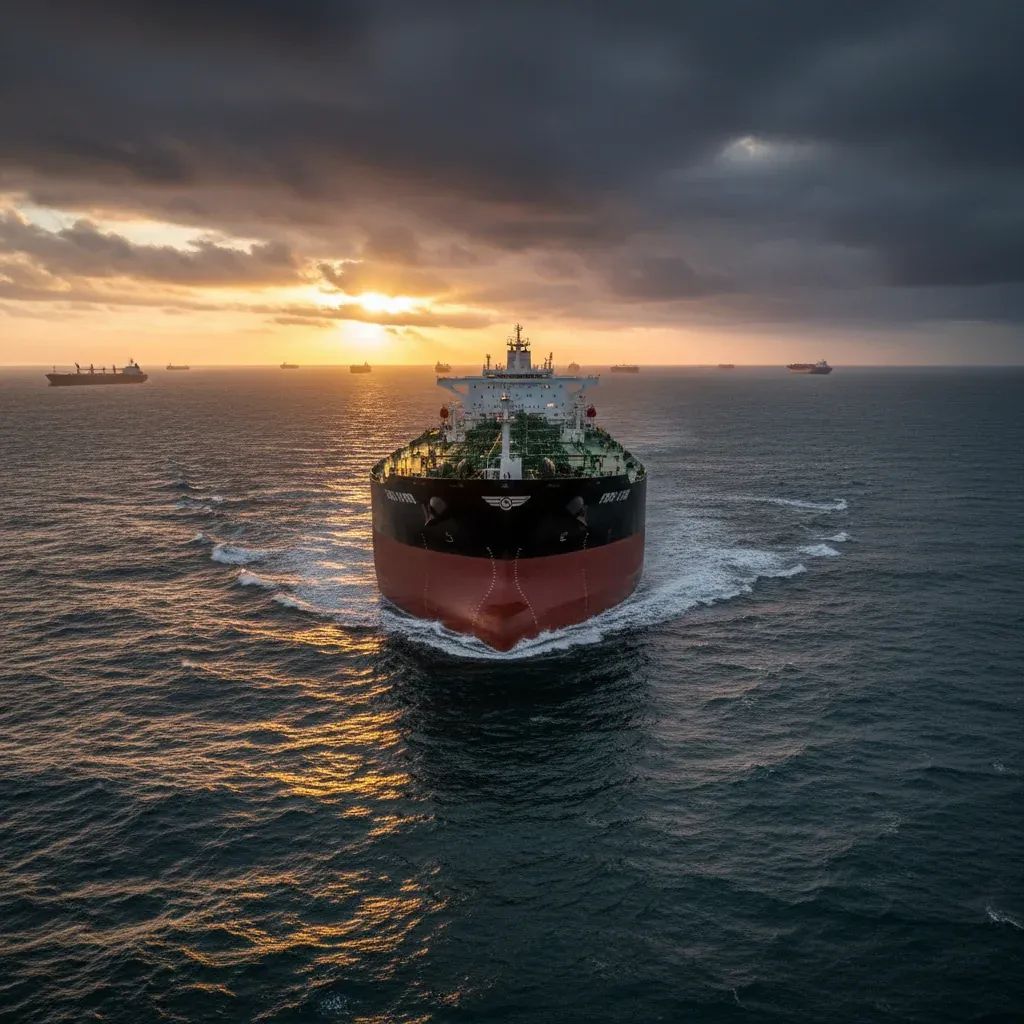
Roughly 20% of global crude oil and substantial volumes of liquefied natural gas transit the Strait of Hormuz, which has been effectively closed since late February when a U.S.–Israel military operation against Iranian nuclear facilities triggered retaliatory strikes on Gulf infrastructure. The Brent crude benchmark, which governs European pricing, breached $111 per barrel on May 4—a 57% spike since hostilities began—while European gas futures on the Dutch TTF hub doubled from approximately €30/MWh in January to over €60/MWh by mid-March.
Italy's dependence on imported gas to generate 44% of its electricity—well above the EU average—leaves it disproportionately exposed. The country ranks first in Europe for gas reliance, which accounts for 35.1% of total energy demand. When QatarEnergy declared force majeure on deliveries that previously supplied one-third of Italy's LNG imports, Italian buyers were forced onto spot markets where competition from Japan, South Korea, and China has driven prices sharply higher.
Household Energy Bills Climb
Families with indexed-rate contracts on the liberalized market will see their March–May gas bills climb by 15%, translating to roughly €40 extra for a typical household consuming 1,100 cubic meters annually. Over the same three months, electricity bills for a standard 2,000 kWh/year user will rise 5%, adding nearly €160 to the total outlay.
Looking forward, Facile.it projects that annual combined spending on gas and electricity will reach €2,120, up 8% (€172) from the €1,948 forecast before the conflict. This figure applies only to households on variable pricing; those locked into fixed-rate agreements earlier in the year remain insulated—for now.
Fuel Pumps Hit Wallets Hard
Self-service benzina prices jumped from €1.65/liter in February to above €1.90/liter by late May, while diesel climbed from €1.70/liter to beyond €2.00/liter. Filling a standard 50-liter tank now costs €97 for benzina (up from €83) and €101 for diesel (up from €85).
For a driver covering 10,000 km annually, the cumulative fuel expense has risen to €1,299 for benzina—18% higher (+€202) than pre-conflict projections—and €1,131 for diesel, a 20% increase (+€191). Across Italy's vehicle fleet, these incremental costs aggregate to roughly €2 billion in the three-month window examined by Facile.it, with diesel accounting for the lion's share at approximately €1.5 billion due to its dominance in commercial and freight transport.
Logistics and Freight Under Strain
The autotrasporti sector is absorbing significant margin compression. A representative 3,000 km haul that cost €1,283 in diesel before late February now runs €1,543—a €260 surcharge per trip. These incremental expenses cascade through supply chains, feeding into retail prices for groceries, construction materials, and consumer goods.
Agricultural operators report diesel for farm machinery surging from €0.85/liter to nearly €1.50/liter, while fertilizer input costs have climbed 35%. Confindustria, the employers' federation, has characterized the situation as an "impact shock" on Italian manufacturing, estimating that energy-intensive industries—steel, ceramics, chemicals, glass—face nearly €10 billion in extra power and gas costs during 2026, eroding export competitiveness.
Mortgage Holders Feel Secondary Shock
Holders of variable-rate mortgages tied to Euribor benchmarks are experiencing collateral damage. The three-month Euribor has risen by approximately 20 basis points since the conflict began, with peaks of 28 basis points recorded on shorter tenors. While modest compared to fuel and utility increases, this shift adds several hundred euros annually to repayment schedules for households carrying adjustable-rate home loans.
Inflation and GDP Forecasts Revised
The International Monetary Fund and the International Energy Agency have both flagged the Iran crisis as one of the most severe energy shocks in recent memory. Italian inflation is forecast to accelerate by more than one percentage point in the fourth quarter of 2026 relative to pre-conflict estimates, while GDP growth projections have been marked down. Household confidence surveys show declining sentiment, presaging a slowdown in consumption and services activity.
Confindustria has noted a "deterioration" in the economic scenario, and Economy Minister Giancarlo Giorgetti has warned that forecasts will turn "very serious" if hostilities extend beyond the initial weeks.
What This Means for Residents
For anyone living in Italy, the immediate takeaway is straightforward: budget more for essentials. If you drive regularly, assume an extra €15–€20 per month at the pump. If you heat with gas or run electric appliances under an indexed contract, set aside another €15 per month for the balance of the year.
Residents on fixed-rate energy contracts signed before February are temporarily shielded, but renewals will reset pricing to current market levels. Those in the market for a new contract should weigh the trade-off between locking in today's elevated rates versus gambling on a near-term de-escalation.
Renters and landlords should anticipate friction over utility cost pass-throughs, particularly in older buildings with poor insulation. Energy-efficient upgrades—double glazing, updated boilers, heat pumps—suddenly offer faster payback periods given the new baseline for gas and electricity.
For small businesses, especially in hospitality and retail, the combination of higher logistics costs and squeezed consumer spending creates a dual margin pressure. Menu and shelf prices are likely to inch higher, even as foot traffic softens.
Regional Vulnerability in Context
Italy is not alone—Germany, Spain, and France all face similar headwinds—but its structural reliance on gas-fired generation and limited domestic energy production leave it more exposed than Nordic countries with substantial hydroelectric and renewable capacity. The BCE has singled out Italy and Germany as particularly vulnerable to stagflation (low growth plus inflation) if the Strait of Hormuz remains blocked through summer.
Comparatively, Italy's €2.6 billion three-month toll translates to roughly €700 per household when annualized, a figure that aligns with broader EU estimates but lands harder in a country where median household incomes lag northern peers.
Government Response and Outlook
The Italian government has activated high-level crisis coordination, convening ministers to monitor Middle East developments and assess economic fallout. Officials are reportedly exploring support measures for exporters and vulnerable households, though no comprehensive relief package has been announced.
In a defensive maneuver, Rome has postponed the planned closure of remaining coal-fired power plants from 2025 to 2038, preserving dispatchable baseload capacity in case gas shortages worsen. This move underscores the precariousness of Italy's energy position.
Analysts offer a wide range of duration estimates for the conflict. Optimistic military projections suggested a three-to-five-week campaign, but Iran's strategy of leveraging proxy forces—Hezbollah in Lebanon, Houthi militants in Yemen—raises the specter of a protracted multi-month confrontation. If the latter scenario unfolds, Brent could stabilize above $100/barrel for an extended period, compounding inflationary pressure and deepening the drag on GDP.
Practical Steps
In the near term, residents can mitigate exposure by:
• Consolidating trips and using public transport where feasible to reduce fuel outlays.
• Comparing energy suppliers via platforms like Facile.it to ensure they are on the most competitive indexed or fixed plan for their usage profile.
• Accelerating energy-efficiency investments if renovation budgets allow; payback horizons have compressed dramatically.
• Monitoring official channels for any government subsidy or tax-relief announcements, particularly ahead of the next quarterly bill cycle.
The broader trajectory hinges on geopolitical developments outside Italy's control. For now, the €2.6 billion three-month tab is a concrete measure of how distant conflicts reach directly into Italian wallets—and the meter is still running.


