
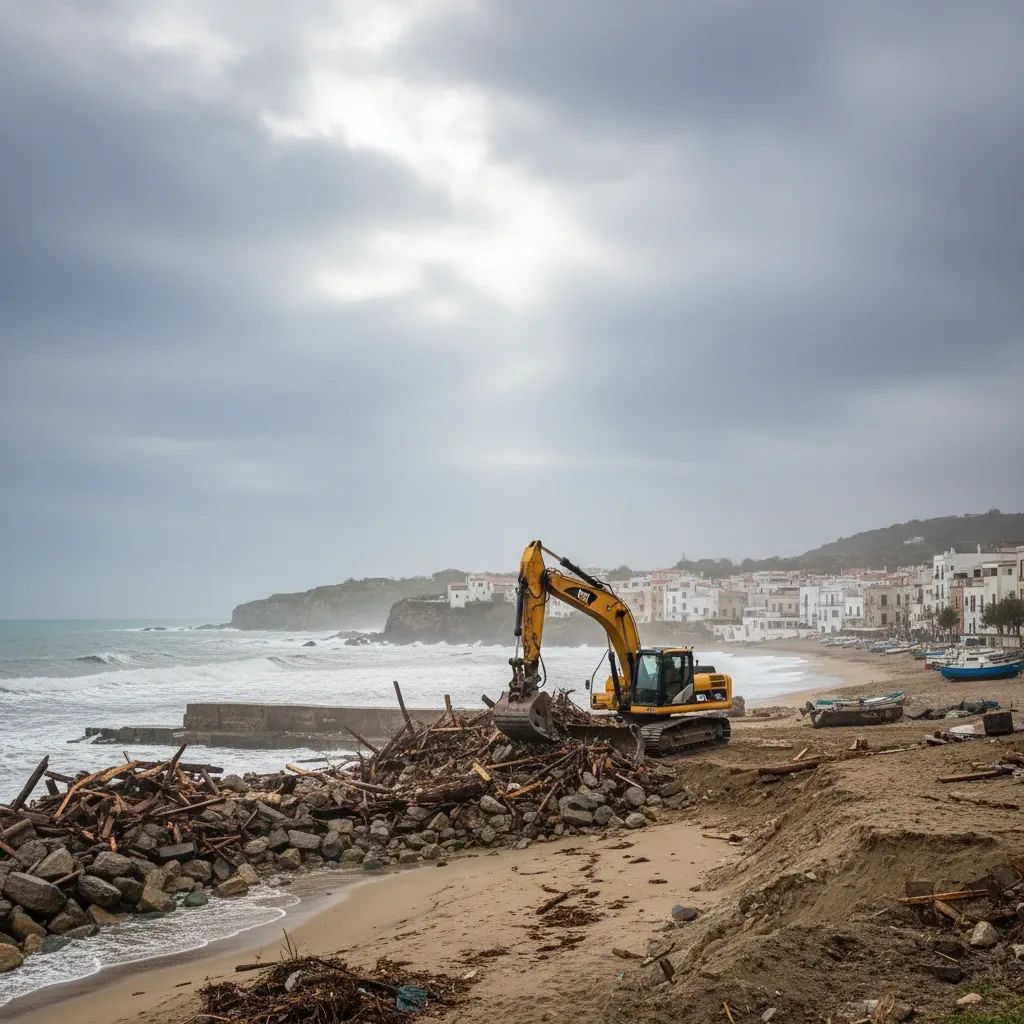
The Italy Cabinet has unlocked €1.25 B in emergency funds, a decision that will speed up coastal repairs in the South and bankroll new homes for people displaced by the massive landslide in Niscemi.
Why This Matters
• Fast cash on the ground: The first payments should reach regional treasuries within 30 days.
• Tax deadlines frozen: Residents of the affected areas get an automatic extension on VAT, INPS and IRPEF filings until October.
• Tourism lifeline: A €5 M marketing pool will try to save summer bookings for beaches damaged by the storm.
• Rent support: Families evacuated from the Niscemi red zone qualify for up to €900 a month toward temporary housing.
How the Money Will Be Split
The decree funnels €1.1 B to cover the havoc wrought by Cyclone Harry across Sicily, Sardinia and Calabria. Each regional president—Renato Schifani, Alessandra Todde and Roberto Occhiuto—now acts as a commissioner-delegate, free to issue no-bid orders for clearing debris, shoring up ports and reimbursing small firms. A separate envelope of €150 M is ring-fenced for Niscemi, where half a hillside gave way in January. Oversight there shifts to a single special commissioner, Civil Protection chief Fabio Ciciliano, with powers lasting until 31 December 2027.
Oversight, Deadlines and Red Tape Cuts
The decree compresses normal procurement timetables. Public works under €5 M can skip competitive tenders if they meet basic transparency rules. Regional commissioners must file a progress report every 90 days to the Italy Civil Protection Department and to Parliament’s budget committees. Any leftover funds after 36 months automatically revert to the state, a clause designed to avoid the chronic under-spending that dogged past disaster plans.
Expert View: Adequate or Just a Down Payment?
Geologists from the National Council call the package “a crucial but partial shield,” warning that full reconstruction could top €2 B once hidden coastal erosion is priced in. Business groups welcome the liquidity but fear that insurance shortfalls—many policies exclude ‘exceptional weather’—will leave owners of beach clubs and agritourism sites scrambling for private loans.
What This Means for Residents
For people living or investing in the three regions, the decree converts into concrete benefits:
• Immediate grants up to €5 000 for households that lost essential goods.
• Wage supplements for furloughed staff; employers can apply within 15 days of reopening.
• Zero-interest rebuilding loans: 60 % reimbursable, 40 % grant, capped at €200 000 per business.
• One-stop permit window: Coastal bars and restaurants may rebuild like-for-like without a fresh environmental study if the footprint is unchanged.Expats who own seaside property should contact their local municipality to be listed in the official damage census—without that entry, state aid may not arrive.
The Road Ahead
Engineers will finish a risk map of the Niscemi slope by late spring; only then will Ciciliano decide which blocks must be razed. Meanwhile, Sardinia’s government is testing dune-reinforcement pilots borrowed from the Netherlands, and Calabria has asked Rome for long-term funding to dredge riverbeds annually, not just after floods. Expect a second funding round in late summer once accurate loss figures land on the Economy Ministry’s desk. For now, the new decree delivers the cash flow communities need to keep tourists coming and to stop a weather disaster from turning into an economic one.


