
The Italy Cabinet, facing domestic political turbulence following a failed justice reform referendum, has pivoted to urgent energy diplomacy: Prime Minister Giorgia Meloni embarked on an unannounced mission to Saudi Arabia, Qatar, and the United Arab Emirates this week, aiming to secure gas and oil supplies as the escalating Iran conflict threatens stability in the Middle East.
Why This Matters:
• Energy vulnerability exposed: Italy imports the majority of its energy, with significant reliance on the Middle East for gas and oil supplies, now at risk from regional tensions.
• LNG concerns: Qatar, a key supplier of Italy's gas needs, faces potential disruptions due to the Iran conflict and its impact on export facilities in the region.
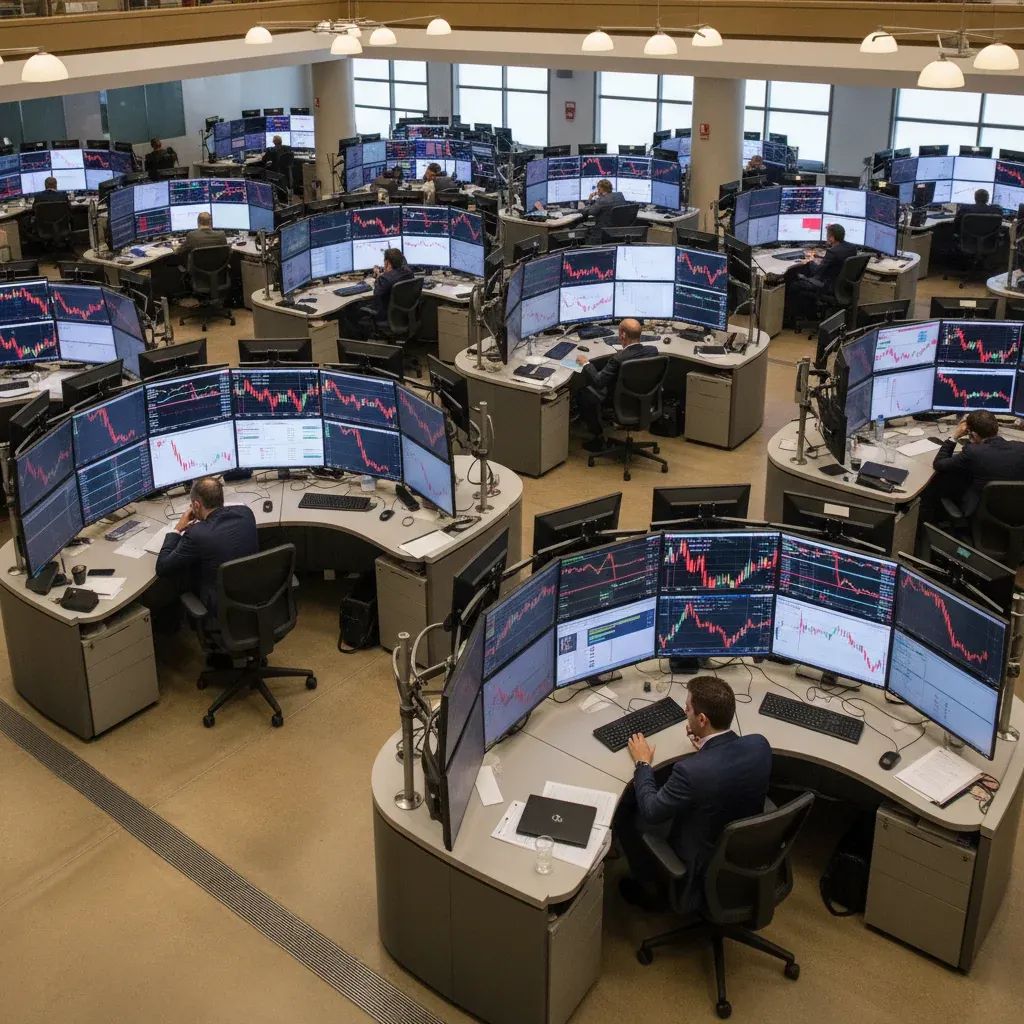
• Price pressures: Energy markets have responded to the Middle East tensions with upward pressure on oil and gas prices, which could affect Italy's domestic energy costs.
Diplomatic Blitz Amid Gulf War Escalation
Meloni's three-nation tour, kept secret until her delegation landed in Jeddah for security reasons, represents the Italy government's most visible effort yet to insulate the domestic economy from regional instability. During the first stop, she met with Saudi Crown Prince Mohammed bin Salman, who reaffirmed the importance of maintaining oil exports to Europe amid regional tensions.
The talks centered on freedom of navigation through the Strait of Hormuz, the maritime choke point through which a significant portion of global oil and liquefied natural gas normally transit. With tensions in the region, there are concerns about potential disruptions to energy supplies. Europe is monitoring the situation closely, and analysts warn of potential supply pressures.
Meloni emphasized Italy's commitment to regional partnerships and discussed pathways to a diplomatic resolution. A key focus was on ensuring that Eni, Italy's state-backed energy giant, can continue operating in the region and expand its footprint as part of a strategic partnership inked in January 2025 during Meloni's visit to Al-Ula.
What This Means for Residents
The regional energy tensions will have implications for Italian households and businesses:
Fuel and heating costs: The Italy Cabinet approved another round of excise tax cuts on gasoline and diesel to help cushion the impact on consumers. Government sources acknowledge they are prepared to deploy support measures if needed, though officials emphasize they are monitoring the situation closely.
Electricity bills: Italy relies on natural gas for a significant portion of electricity generation, meaning any disruptions to gas supplies would affect power markets and potentially impact energy bills for residents.
Inflation concerns: Energy price volatility remains a concern for the broader economy. Transport, food production, and manufacturing all depend on energy inputs, and rising prices could affect inflation and purchasing power.
Public debt considerations: Italy's fiscal situation requires careful management of any emergency energy spending. The government must balance energy security with EU fiscal requirements and budget constraints.
Qatar and UAE Stops on Multi-Front Strategy
After Saudi Arabia, Meloni proceeded to Doha for talks with Emir Tamim bin Hamad Al Thani. Qatar is a major LNG exporter and an important part of Italy's strategy to diversify its gas supply sources. Securing reliable shipment arrangements is a priority for the Italian government.
The final leg in the United Arab Emirates included discussions with executives from Abu Dhabi National Oil Company (Adnoc) and other regional partners. The UAE has positioned itself as an important player in regional energy markets, and Meloni's visit signals Italy's interest in strengthening energy partnerships while maintaining diplomatic channels in the region.
This mission follows Meloni's March trip to Algeria, which aimed to boost pipeline gas imports, and precedes a planned May visit to Azerbaijan—together forming a strategy designed to diversify Italy's energy supply and reduce dependence on any single supplier.
Domestic Turbulence: Justice Reform Failure Sparks Cabinet Changes
Meloni's Gulf tour comes as her coalition manages domestic political challenges. Back home, her coalition is dealing with the rejection of a justice reform referendum, a legislative priority that collapsed after opposition mobilization and tensions between Fratelli d'Italia, the League, and Forza Italia.
The prime minister broke two weeks of silence on national broadcaster RAI TG1, dismissing talk of cabinet reshuffles and early elections as "palace politics." But she had already moved to stabilize her administration by announcing the appointment of Gianmarco Mazzi as the new Tourism Minister, filling the vacancy left by Daniela Santanchè's resignation.
The Cabinet meeting also saw Interior Minister Matteo Piantedosi continue in his role, despite ongoing scrutiny. Meloni reiterated her confidence in Piantedosi, but the episode has provided opposition parties with ammunition to criticize the government's stability.
Economy Minister Giancarlo Giorgetti briefed Meloni on fiscal constraints and economic planning, with regional energy concerns factoring into budget discussions. There is pressure within the coalition to balance various spending priorities as the government manages both energy security concerns and fiscal discipline.
Energy Security and Italy's Power Mix
Italy continues to expand renewable energy capacity, with wind and solar playing an increasingly important role in the country's power generation. However, the grid maintains reliance on natural gas and other conventional sources during peak demand periods. This mixed approach reflects the transition underway in Italy's energy sector.
Eni's role remains important. The company is investing in energy projects both domestically and internationally, including partnerships on renewable energy and infrastructure development. Eni's continued engagement in global energy markets underscores Italy's approach to energy security through diversified partnerships.
The government is focused on securing stable energy supplies through diplomatic efforts and partnerships with major energy-producing nations. Meloni's regional tour reflects the priority placed on maintaining energy security amid broader geopolitical developments.
Opposition Responds
Opposition parties have raised concerns about the government's handling of both the justice reform referendum and energy policy. They call for more comprehensive structural reforms to reduce Italy's energy dependence and strengthen long-term energy security.
The prime minister has responded by emphasizing her administration's proactive approach to addressing energy challenges. She framed the diplomatic mission as evidence of her government's commitment to protecting Italian families and businesses from energy market volatility.
With Italy's fiscal situation requiring careful management and regional energy concerns present, the government faces ongoing pressure to deliver both energy security and sound economic policy.
Regional Developments and Italy's Options
The situation in the Middle East remains a concern for European energy security. Italy, along with other EU nations, is monitoring developments closely and working through diplomatic channels to support stable energy supplies.
Italy's diversification strategy—linking North African pipeline gas, Caspian supplies, and Gulf LNG into a multi-source approach—reflects the government's commitment to reducing vulnerability to any single supply source or regional disruption.
For now, Meloni is pursuing diplomatic engagement to secure energy partnerships and demonstrate government action on energy security. Whether these efforts translate into long-term stability for Italian energy consumers and businesses will depend on developments in regional geopolitics and the success of the government's broader energy diversification strategy.


