The Trump administration's nuclear negotiating team has arrived in Muscat, Oman, to resume high-stakes talks with Iranian counterparts, as tensions over shipping in the Strait of Hormuz threaten Italian supply chains and fuel prices. The U.S. delegation—led by Vice President JD Vance, Jared Kushner, Secretary of State Marco Rubio, and special envoy Steve Witkoff—will engage in indirect negotiations with Iran's Foreign Minister Abbas Araghchi. These talks come amid Iranian attacks on commercial vessels that have raised alarm bells for Italian exporters, shipping firms, and energy importers.
Why This Matters for Italy
For Italian residents and businesses, the stakes are concrete and immediate:
• 12% of Italian-flagged vessels pass through the Strait of Hormuz monthly, carrying refined products, machinery, and consumer goods to Asian markets and beyond.
• Shipping costs: Any prolonged closure or new toll regime would inflate insurance premiums and add 10–14 days to voyage times via alternative routes like the Cape of Good Hope, increasing costs by thousands of euros per shipment.
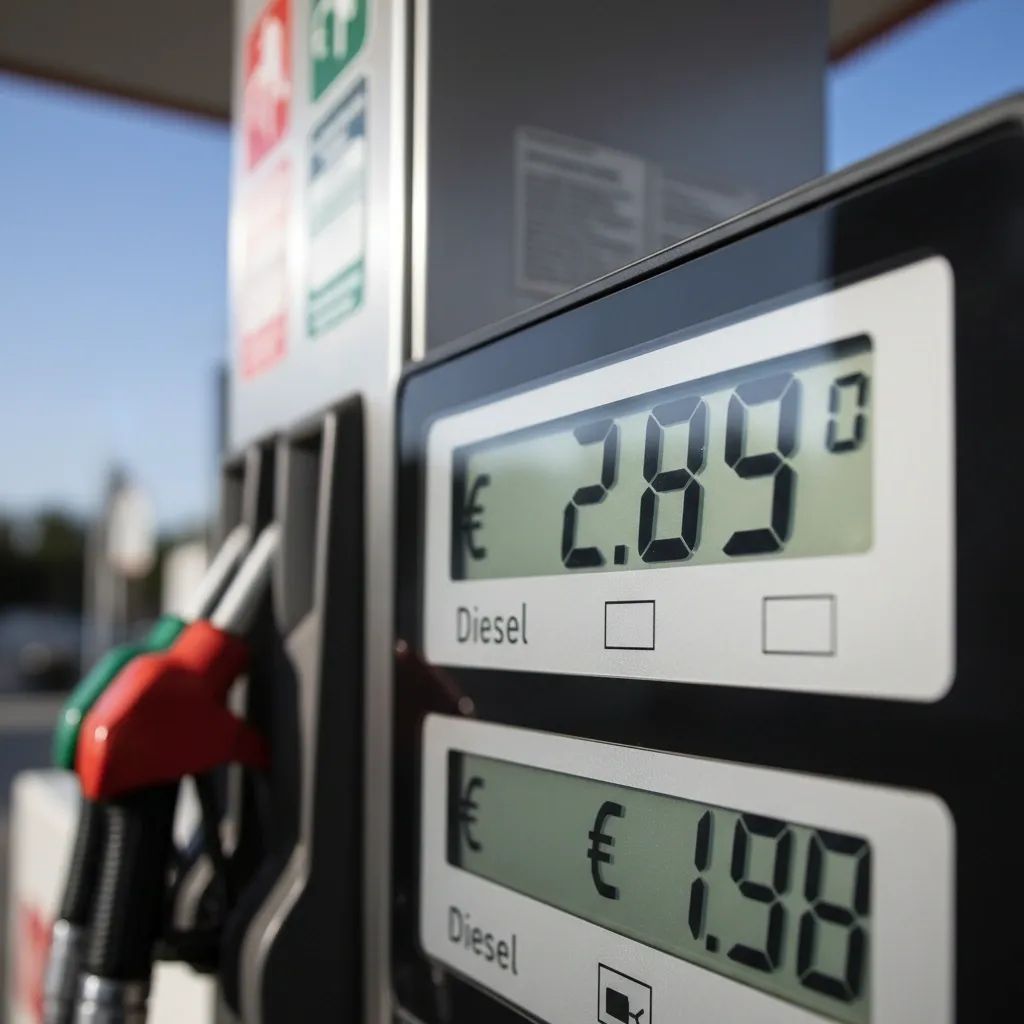
• Fuel prices: 20% of global oil exports flow through the Strait; disruption could push prices toward €100 per barrel or higher, directly affecting heating, transport, and goods at Italian retail counters.
• Supply chain delays: Manufacturers in Italy's northern industrial belt, dependent on Asian electronics and textiles, face higher input costs that retailers and consumers will ultimately bear.
• Energy contracts: Italian energy companies including ENI rely on long-term contracts with Qatari and Emirati suppliers; any prolonged Gulf disruption forces Rome to buy more expensive spot liquefied natural gas.
The Immediate Crisis: Strait of Hormuz Under Threat
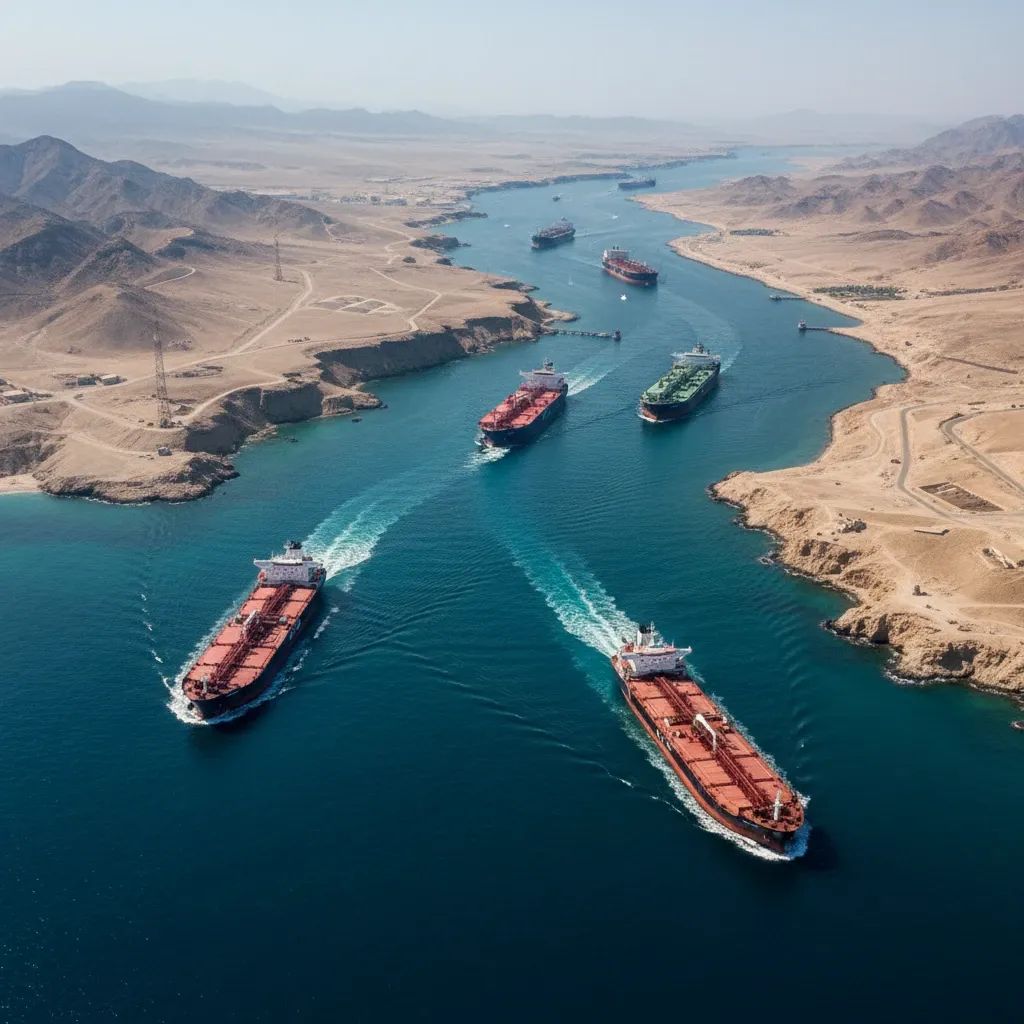
On July 6–7, 2026, Iranian fast-attack craft fired on a liquefied natural gas tanker and two container ships transiting the Strait of Hormuz, killing four crew members and forcing the temporary closure of this critical 34-kilometer-wide chokepoint between the Persian Gulf and the Gulf of Oman. Washington responded with airstrikes on Islamic Revolutionary Guard Corps naval facilities and imposed sanctions on Iran's petrochemical sector. President Trump declared the June ceasefire "over," yet agreed to continue negotiations.
At the heart of the dispute is Iran's demand to levy transit tolls on vessels using the Strait, arguing it provides navigational and environmental services. The Omani government has publicly rejected mandatory tolls, noting they contravene international maritime law, but is exploring a voluntary fee structure. European capitals, including Italy, are considering a compromise proposal that would allow optional payments to a United Nations maritime fund—a model that could satisfy Iranian demands without triggering a legal crisis.
Oman Hosts Indirect Diplomacy Amid Maritime Crisis
For the second time in as many months, the Sultanate of Oman is serving as neutral ground for U.S.–Iran negotiations. Unlike the June round—which yielded a short-lived memorandum of understanding—these talks take place against a backdrop of mutual accusations and military brinkmanship. According to U.S. sources, the American team has a mandate to secure a public Iranian declaration that the Strait of Hormuz is open to all commercial traffic without tolls or attacks.
Iranian officials insist they upheld the June truce and accuse Washington of violating it by deploying additional carrier strike groups to the Gulf and reimposing sanctions. The Iranian Ministry of Foreign Affairs has denied requesting the resumption of talks, yet Araghchi's presence in Muscat signals Tehran's willingness to keep diplomatic channels open, even as it threatens "retaliatory action" against further U.S. breaches.
Diplomats from Qatar and Pakistan, which co-mediated the June agreement, are facilitating message-passing between the two delegations, which do not meet face-to-face. Turkey has also joined the mediation effort, with Ankara's foreign minister expressing cautious optimism.
The Nuclear Dossier: Underlying Stakes
While the Strait dominates headlines, the underlying agenda remains Tehran's nuclear program. U.S. negotiators are pressing for the dismantlement of three key enrichment sites and the transfer of all highly enriched uranium to American custody. In exchange, Washington is prepared to lift most sanctions and unfreeze approximately $7 billion in Iranian assets.
Iran's chief negotiator has signaled Tehran will discuss the nuclear file only if the U.S. first withdraws additional military forces from the Gulf and restores normal oil export levels. Earlier proposals from the Trump team—demanding Iran destroy its enrichment infrastructure—were rejected outright by Tehran.
NATO Backs Tough Line on Iran
The NATO summit held recently underscored Western resolve, with member states declaring that "Iran must never possess a nuclear weapon" and calling on Tehran to respect freedom of navigation. Italy's delegation backed the communiqué but emphasized the need for a diplomatic solution over military escalation, reflecting Rome's longstanding preference for multilateral engagement.
Regional Allies Press for Results
Saudi Arabia, the United Arab Emirates, Kuwait, Bahrain, and Qatar have issued a joint statement condemning Iran's attacks on commercial shipping. The UAE Ministry of Foreign Affairs attributed the LNG tanker attack directly to the Islamic Revolutionary Guard Corps, signaling growing impatience with Tehran's behavior. Qatar, which maintains diplomatic relations with Iran, has urged restraint while backing calls for unfettered Strait access.
For Italy, the alignment of Gulf Arab states with U.S. demands offers both opportunity and risk. Any disruption to Gulf exports would force Rome to rely more heavily on Algerian pipeline gas and spot purchases, both more expensive and less reliable.
What Success or Failure Would Mean
If negotiations succeed: Italians can expect stable fuel prices, uninterrupted container-ship traffic from Asia, and predictable supply chains. A comprehensive agreement including nuclear restrictions, sanctions relief, and freedom of navigation would reduce risks of broader Middle East conflict that could send oil prices soaring.
If negotiations fail: Prolonged Strait closures would force rerouting via the Cape of Good Hope, adding 10–14 days and thousands of euros in costs per voyage. Retailers and manufacturers dependent on Asian supply chains would face delays and higher input costs, likely passed directly to consumers. Any U.S. military escalation could trigger retaliatory cyberattacks against NATO logistics hubs in Italy such as the naval base at La Spezia or the air station at Aviano.
Prospects and Pitfalls
Veteran Middle East analysts caution that this weekend's talks face steep odds. The collapse of the June truce has deepened mistrust, and U.S. officials privately acknowledge that hardliners within the Islamic Revolutionary Guard Corps may be acting independently to sabotage diplomacy. Iran's insistence on controlling Strait navigation clashes with decades of international law and the strategic interests of every major trading nation.
Yet Oman's track record as a mediator offers reason for guarded optimism. The Sultanate brokered secret U.S.–Iran talks that led to the 2015 nuclear deal under President Obama. If the negotiating teams can persuade Tehran to issue a public commitment on freedom of navigation and agree to a phased nuclear rollback, the outlines of a broader accord may emerge.
For now, Italian exporters, shipping firms, and energy importers are watching Muscat closely. The outcome of these negotiations will reverberate far beyond the Gulf, shaping the cost of goods, the stability of supply chains, and the risk of conflict for months—or years—to come.